US Power Grid Faces Blackout Risk as Demand Surges
America's electrical grid faces a growing risk of blackouts due to surging demand from AI and data centers. Grid operators warn that aging infrastructure and a lack of new generation capacity are creating a "perfect storm." Solutions are being explored, but immediate action and consumer conservation are crucial.

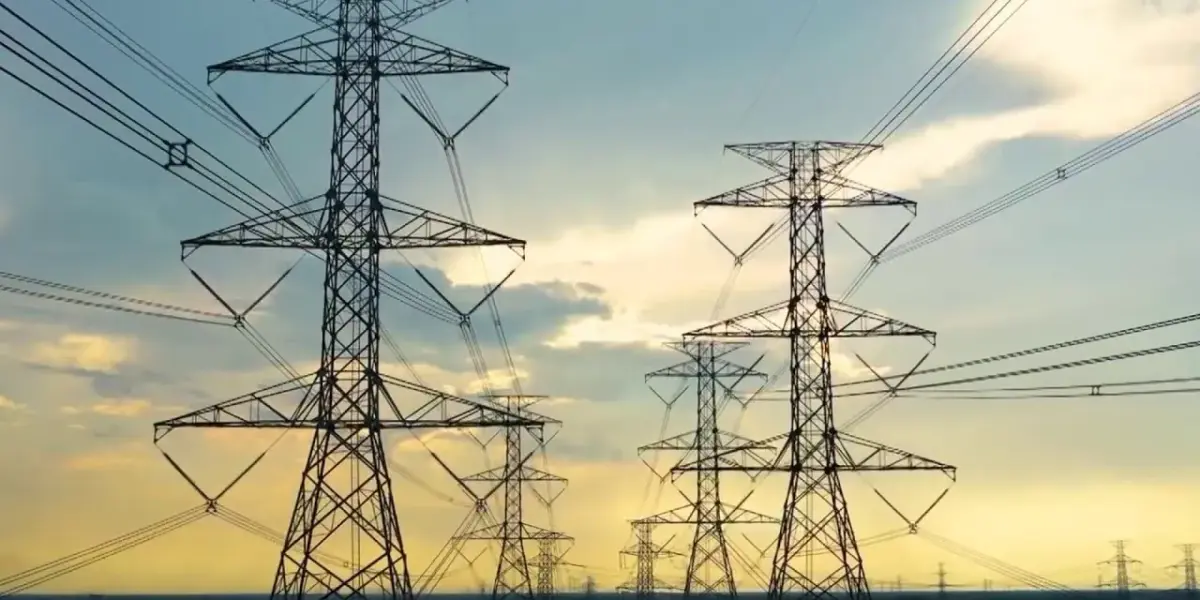
Grid Operators Warn of Growing Blackout Threat
America’s electrical grid, a system largely stable for a century, is now facing an increasing risk of widespread blackouts. Grid operators across the country are issuing stark warnings about the system’s ability to meet soaring energy demand. This concern comes as new technologies and increasing energy needs create a “perfect storm” that could strain power supplies, particularly during peak usage times.
AI and Data Centers Drive Unprecedented Demand
A major driver of this increased demand is the rapid growth of artificial intelligence (AI) and the proliferation of data centers. These facilities require massive amounts of electricity to operate. In New York, for example, grid operators are seeing proposals for an additional 13,000 megawatts of demand specifically for AI, a nearly 50% increase in peak usage. This surge comes at a time when the country is retiring more power generation facilities than it is building, creating a significant imbalance.
Richard Dewey, who oversees the grid in New York, described the situation as an “inflection point.” He explained that the grid is on the verge of new technologies coming online, which raises concerns about maintaining reliability for millions of people. This challenge is not unique to New York; operators in other regions, like PJM which covers 13 states and Washington D.C., are facing similar issues.
Aging Infrastructure Meets Modern Needs
Adding to the strain is the aging infrastructure of the power grid itself. While the demand for electricity is rising, many existing power plants are nearing the end of their operational life. Sally Librera, who leads National Grid in New York, highlighted the company’s commitment to addressing this by making the largest investment ever in the state’s grid. This includes rebuilding thousands of miles of transmission lines and upgrading substations to support future growth.
The reliance on natural gas as the primary fuel source for electricity generation also plays a role. Despite global uncertainties, natural gas prices have remained relatively low, making it a consistent choice for powering plants. However, the overall capacity to generate and deliver power is a growing concern for grid managers.
Policy and Solutions: A Balancing Act
The growing risk of blackouts is becoming a significant political issue. In response to the strain on the grid, some regions are implementing new regulations. PJM, for instance, is allowing new data centers to connect only if they build their own power plants or agree to power down during grid stress. Florida’s governor has called for new regulations on data center construction, and California anticipates a doubling of its electricity demand within the next decade.
Beyond new regulations, discussions are underway about various solutions. These include investing in new generation capacity and upgrading transmission infrastructure to move power more efficiently. There’s also renewed interest in nuclear technology, with some facilities like the Three Mile Island plant preparing to restart operations. This focus on diverse energy sources is seen as crucial for meeting future demand.
Near-Term Relief and Long-Term Strategy
Grid operators are exploring both immediate and long-term strategies to mitigate blackout risks. In the short term, efforts are focused on demand management. This involves communicating with consumers, including large data centers and individual households, to encourage voluntary reductions in electricity use during peak hours. Energy storage is also being considered as a way to save power generated during off-peak times for use when demand is highest.
However, the lead time for building new power plants and necessary infrastructure means that significant upgrades could take three to five years. This timeline highlights the urgency of the situation, as rolling blackouts could become a reality as soon as next summer if immediate action is not taken. Simple actions, like turning off lights when leaving a room or adjusting thermostat settings, can contribute to managing demand during critical periods.
What’s Next for the US Power Grid?
The coming months will be critical for the future of the US power grid. As demand continues to climb, particularly with the expansion of AI, grid operators and policymakers face the challenge of balancing new energy needs with the reliability of the existing system. Investments in infrastructure, exploration of diverse energy sources like nuclear power, and effective demand management strategies will be key. The public’s role in conserving energy during peak times will also be vital in preventing potential blackouts and ensuring the lights stay on across the nation.
“We know across the country we need to generate more power, and we need to invest in infrastructure to move it. And that’s what we’re all focused on.” – Sally Librera, National Grid
“It’s becoming more of a challenge across the whole. The whole Eastern part of the United States.”
Source: Electrical grid at increasing risk of blackouts due to surging demand (YouTube)

Related Articles


AI Revolutionizes Textile Recycling, Tackling Fashion Waste Crisis
AI is set to revolutionize textile recycling, offering a solution to the global fashion waste crisis. New technologies use AI-powered cameras to sort fabrics accurately, a crucial step for efficient recycling. This innovation could lead to billions in profits and help revive local manufacturing.


Finland Tops Happiness Chart, UK Falls to 29th
Finland has once again been named the world's happiest country, while the UK dropped to 29th in the latest World Happiness Survey. The report explores the complex ways happiness is measured and highlights unique Finnish concepts of well-being, alongside concerning trends in youth happiness.


ChatGPT Adds Library Tab, Google Overhauls AI Studio
This week's AI news highlights significant updates from major players. ChatGPT now features a Library tab for easier document management, while Google has overhauled its AI Studio, merging it with an app builder to simplify the creation of multiplayer experiences. We also look at Midjourney V8's performance, user hopes and fears about AI from an Anthropic study, and quick updates from Gamma, OpenAI, and Claude.