US Policy Towards Iran: A Cycle of Intervention and Conflict
The U.S. finds itself in a recurring cycle of intervention and confrontation with Iran, marked by historical coups, shifting diplomatic strategies, and recent military actions. As Iran navigates a new leadership transition following the Supreme Leader's death, the rise of hardline clerics and the increasing autonomy of the Revolutionary Guard present complex challenges for both regional stability and U.S. foreign policy.

US Policy Towards Iran: A Cycle of Intervention and Conflict
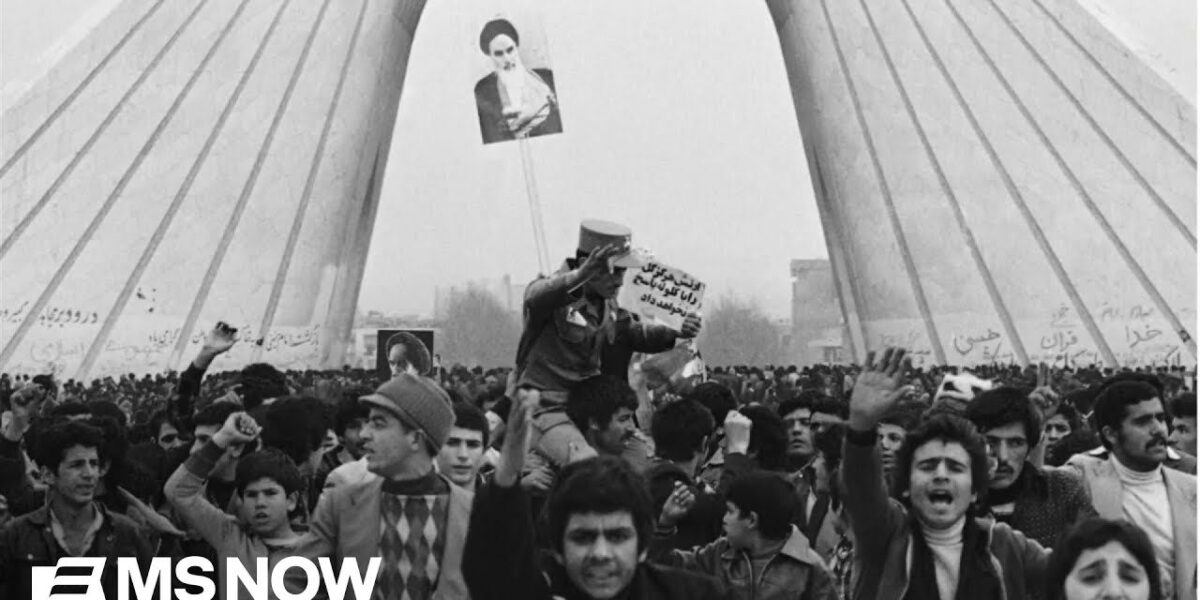
In the wake of the recent death of Iran’s Supreme Leader Ali Khamenei, a new interim government has taken shape, signaling to Washington that the regime may be transitioning rather than collapsing. This development highlights a recurring pattern in U.S. foreign policy: a repeated engagement with, and often intervention in, the political landscape of Iran. From the U.S. and British-backed coup in 1953 that overthrew Prime Minister Mohammad Mosaddegh and installed Shah Mohammad Reza Pahlavi, to the current complex geopolitical situation, the United States has a long and often contentious history with Iran.
The Legacy of Past Interventions
The U.S. involvement in Iran dates back decades, with Operation Ajax in 1953 marking a significant turning point. This operation, orchestrated by the CIA and MI6, led to the overthrow of Iran’s democratically elected prime minister, Mohammad Mosaddegh, who had sought to nationalize the country’s oil industry. In his place, the U.S. supported the installation of Shah Mohammad Reza Pahlavi, whose authoritarian rule fostered deep anti-American sentiment among the Iranian populace. This sentiment ultimately fueled the 1979 Islamic Revolution, which led to the establishment of the Islamic Republic and the installation of Ayatollah Ruhollah Khomeini as the Supreme Leader. The subsequent hostage crisis, where 52 Americans were held for 444 days, further entrenched animosity between the two nations.
Shifting U.S. Administrations, Consistent Hardline Stance
The U.S. approach to Iran has seen considerable fluctuation across different presidential administrations, yet a consistent theme of confrontation has persisted. The George W. Bush administration famously labeled Iran part of the “axis of evil.” Later, the Obama administration dedicated years to negotiating the Joint Comprehensive Plan of Action (JCPOA), a nuclear deal that garnered international support. However, President Trump unilaterally withdrew the U.S. from the JCPOA, a move that was seen as a significant blow to moderate reformers within Iran. The transcript notes the irony of a U.S. president demanding a new deal while simultaneously conducting military operations against the nation he seeks to negotiate with, drawing parallels to the U.S. invasion of Iraq.
The New Iranian Leadership and Internal Dynamics
Following the death of the Supreme Leader, Iran’s state media quickly announced an interim government led by a council of three men. The current President, Masoud Pezeshkian, heads this council. However, the presence of two hardline clerics, Ayatollah Ali Riza Arafi of the Guardian Council and Chief Justice Gholam Hossein Mohseni-Ejei, signals a potential continuation of the regime’s established political direction. The Guardian Council plays a crucial role in vetting legislation and candidates, ensuring adherence to the principles of the Islamic Revolution. This composition suggests that the next Supreme Leader is likely to emerge from hardline factions, a development that may be met with dismay in Washington.
The Role of the Revolutionary Guard
A critical development highlighted in the transcript is the increasing independence of the Iranian Revolutionary Guard Corps (IRGC). According to recent statements from Iran’s Foreign Minister, the IRGC is now operating with significant autonomy, particularly in its ballistic missile operations. This independence is believed to be a contingency plan, potentially enacted in anticipation of a U.S. “decapitation strike” targeting top leadership. The IRGC’s independent command and control structure raises concerns about potential further fracturing of political power within Iran and a diffusion of authority among rival factions, potentially leading to a more unpredictable foreign policy.
Ideal Scenarios and Missed Opportunities for Reform
When considering who might best lead Iran from the perspective of U.S. security interests or the well-being of the Iranian people, figures like former President Mohammad Khatami are often mentioned. Khatami, considered a reformer, had previously engaged with the West and offered hope for economic relief. Another figure, Mir-Hossein Mousavi, who led popular reformist movements, has been under house arrest. The transcript points out that many potential reformers within the system have been sidelined by the Guardian Council, often due to their willingness to engage with the West. The ripping up of the JCPOA by the Trump administration is seen as a pivotal moment that emboldened hardliners and marginalized reformers, reinforcing a narrative that the U.S. cannot be trusted.
Regional Repercussions and Domestic U.S. Discontent
The geopolitical ramifications of Iran’s actions and the U.S. response are significant. The relationship between Iran and the Gulf Arab states has been fundamentally altered. Iran’s attacks on countries with which it had diplomatic relations, such as the UAE and Saudi Arabia, have led to immense disappointment and a reshaping of regional dynamics. Domestically, within the United States, there is growing discontent among certain segments of the Republican base, particularly those aligned with the “America First” movement. The promise of “no new wars” was a key appeal during recent presidential campaigns, and many voters who prioritized this stance are reportedly dismayed by the current trajectory, especially given the economic pressures they face.
Looking Ahead: Uncertainty and Potential Futures
The coming months will be critical in observing how these complex dynamics unfold. The maneuvering within Iran’s political factions, the continued independence of the Revolutionary Guard, and the evolving relationships with regional powers will all shape the future geopolitical landscape. Additionally, the U.S. administration faces the challenge of navigating domestic political pressures while managing international relations. The potential for renewed reformist movements, the response of Gulf states, and the broader implications for global stability remain key areas to watch.
Source: How the U.S. Keeps Selling the Same War (YouTube)

Related Articles

US Strikes Iran: 3 Troops Dead, President Warns of More
Three U.S. troops have been killed in new missile strikes against Iran, prompting President Trump to warn of further casualties. The operation, "Epic Fury," has led to Iranian retaliation, regional instability, and significant global economic and travel disruptions. Iran is also facing a leadership vacuum following the death of its Supreme Leader.

Iran Strikes Neighbors: Gulf Relations Suffer Amid Retaliation
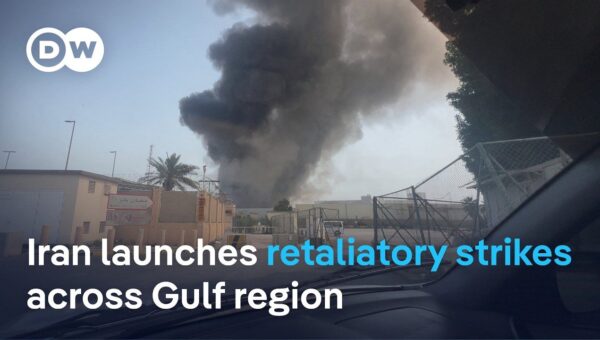
Iran's retaliatory strikes have reverberated across the Gulf, damaging relations with neighboring countries and impacting civilian infrastructure. Experts warn that these actions jeopardize fragile diplomatic progress and violate the sovereignty of U.S. allies in the region.

Trump Addresses Iranians Amid Escalating Regional Conflict
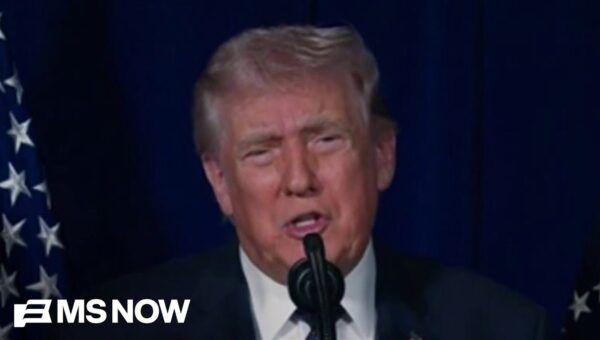
President Trump addressed the citizens of Iran directly amidst escalating conflict, urging them to seize the moment for freedom following the death of Supreme Leader Ayatollah Ali Khamenei. The move comes as the region grapples with intense airstrikes, retaliatory attacks, and the first U.S. casualties of the ongoing military campaign.