US Policy Shift Stuns Allies, Weakens Global Security
US policy shifts regarding Ukraine, the Strait of Hormuz, and NATO are raising concerns among allies and creating global instability. Critics point to a lack of strategic planning and diplomatic consultation, potentially emboldening adversaries and undermining international security.

US Policy Shift Stuns Allies, Weakens Global Security
Recent policy shifts from the United States, particularly concerning its approach to international conflicts and alliances, are raising alarms among allies and potentially emboldening adversaries. Statements and actions suggest a departure from established diplomatic norms, creating uncertainty and instability on the global stage.
Ukraine Conflict and Human Rights Concerns
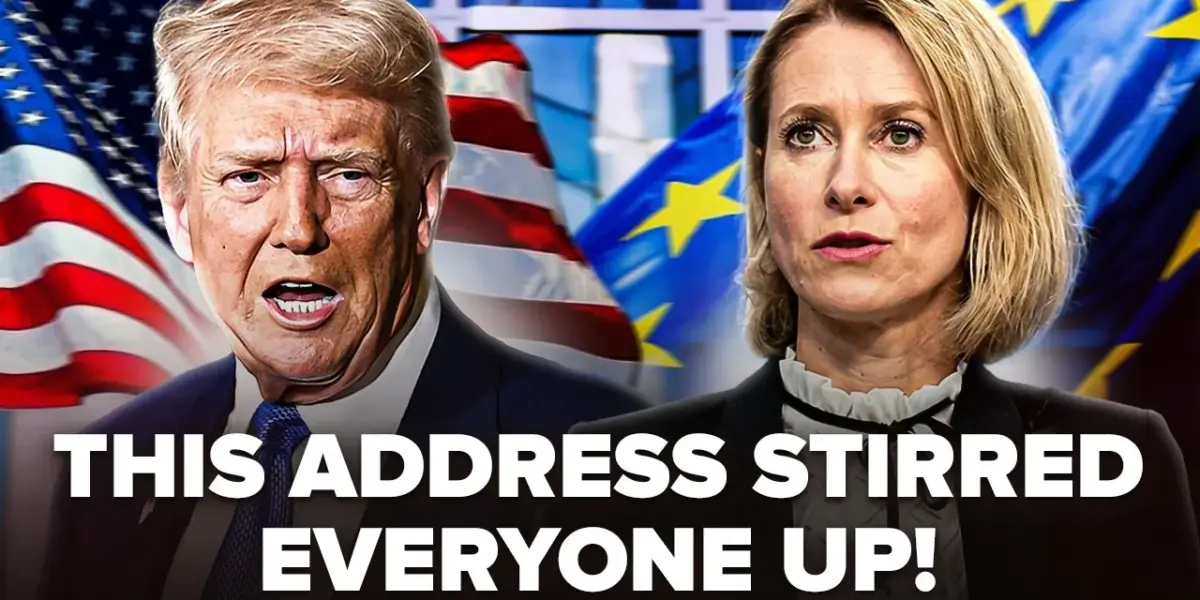
The ongoing conflict in Ukraine remains a critical point of discussion, with particular attention drawn to the human cost of territorial concessions. Eva Kaili, speaking at a UN Committee for Human Rights, highlighted the severe situation in occupied territories, emphasizing that Russia continues to harm civilians. This underscores Ukraine’s stance that any territorial exchange is unacceptable, as it violates the rights of people living under occupation. The Minsk agreements, intended to bring peace after 2015, stressed the need for full Ukrainian control to ensure civil and human rights. The lack of such control means these rights are not being upheld.
Kaili also stressed the importance of establishing a tribunal, modeled after the Nuremberg trials, to deliver justice for victims. Such a body could serve as a crucial precedent for dealing with future international conflicts and holding perpetrators accountable. The conversation around Ukraine’s plight also highlights a perceived lack of understanding from some American political figures, including former President Trump, regarding the realities faced by those in conflict zones. His refusal to visit Ukraine or engage with those who have experienced occupation is seen as a barrier to grasping the true impact of the war.
Strait of Hormuz and Middle East Tensions
Tensions surrounding the Strait of Hormuz have also come to the forefront. A proposal to consider a ceasefire with Iran, contingent on the reopening of the strait, has been met with scrutiny. Iran has long stated its intent to block the strait if attacked, a strategy some in the U.S. Congress believe was not adequately considered before military actions. The strategic importance of the Strait of Hormuz cannot be overstated; it is a vital chokepoint for global oil shipments. Its closure can trigger international economic recession, as seen recently. Critics argue that the U.S. did not adequately prepare its own economy or its allies for the potential economic fallout, such as ensuring strategic petroleum reserves were full or supporting allied economies against oil price surges.
The deployment of additional troops and ships to the Middle East fuels speculation about potential ground operations. This situation draws parallels to historical debates, such as the one between Secretary of State Madeleine Albright and General Colin Powell regarding the use of overwhelming force in Yugoslavia. Powell’s doctrine emphasized clear objectives and overwhelming military power, a contrast to Albright’s view on preventing genocide. Current U.S. actions are seen by some as embodying the downsides of both approaches, with incremental troop deployments after conflict initiation and a lack of broad international support.
Operation ‘Epic Fury’ and Strategic Goals
The objectives of military operations, such as ‘Epic Fury,’ have been subject to differing interpretations. While some rationalizations for war focus on destroying ballistic missile capabilities and preventing nuclear weapons development, the critical issue of the Strait of Hormuz has not been explicitly included in these stated goals. This has led to confusion, especially when former President Trump stated his goal was unconditional surrender, a red line that appears to have been crossed without a clear resolution. The conflicting statements create ambiguity about what constitutes a victory or an acceptable outcome.
NATO’s Future and Global Security Architecture
The potential withdrawal of the United States from NATO represents a significant destabilizing factor for global security. Such a move would not only undermine European security but could also provide an opening for Russia to expand its aggression, potentially targeting Baltic states and Poland. While legislation exists to prevent a unilateral withdrawal, a president could redeploy troops, effectively weakening the alliance’s posture. This action is seen by some as a gift to Russian President Putin, potentially enabling further challenges to international order.
China’s own strategic positioning, including its investment in drone technology and securing economic agreements, suggests it is prepared for potential geopolitical shifts. The U.S. failure to consult allies, as seen in a diplomatic misunderstanding with Italy regarding airbase access, highlights a broader issue of lacking basic diplomatic statecraft. Unilateral actions, without prior consultation, erode trust and make it difficult to build a cohesive international coalition when needed.
Economic Repercussions and Sanctions Policy
The economic consequences of these policies are far-reaching. The international recession triggered by actions in the Middle East is impacting global markets. Furthermore, there are concerns about the U.S. decision to lift sanctions on Russian oil tankers and related individuals. This move, seen as a scramble to stabilize the economy, involves dealing with Russia, a partner deemed untrustworthy. The lifting of sanctions is not a temporary waiver but a full dismissal, raising questions about the long-term strategy and its implications for international security.
The ability to negotiate with adversaries is crucial. Unlike leaders who could both pressure and negotiate with rivals, the current approach seems to favor ultimatums to allies rather than constructive dialogue with adversaries. This inability to negotiate effectively with Iran or Russia means that any concessions made, such as lifting sanctions, are viewed not as strategic gains but as capitulation. The lack of clear strategic planning and consultation with allies appears to be a recurring theme, potentially leading to greater global instability and conflict.
Domestic Protests and Political Engagement
Domestically, large-scale protests have occurred throughout the current administration, reflecting significant public dissent. While these demonstrations are a powerful expression of frustration, their effectiveness hinges on translating public engagement into political action. Activists are urged to use protests as opportunities to register voters and encourage participation in primaries and general elections. Evidence from recent local and special elections suggests that voters opposing the current administration are turning out in higher numbers, indicating a potential shift in the political landscape driven by public sentiment and organized activism.
The article is based on statements and analyses provided in the transcript. Specific details about troop numbers, casualty figures, and equipment specifications not mentioned in the transcript have been omitted. The focus remains on the strategic implications and geopolitical context of the discussed events.
Source: 😱EU lashed out at Trump! US statements were sharply criticized. Kremlin was left stunned (YouTube)

Related Articles
Strait of Hormuz Tensions Risk Wider Middle East War
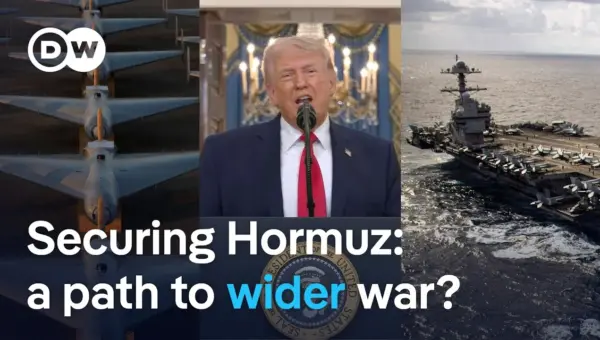
Efforts to secure the vital Strait of Hormuz risk triggering a wider Middle East war, according to UN warnings and security analysts. The narrow waterway is crucial for global trade, and forcing it open against Iran's objections could escalate regional tensions dramatically. Experts highlight the complex geography, Iran's remaining military capabilities, and the involvement of regional players as key factors in the volatile situation.
UK Leads Global Effort to Secure Strait of Hormuz
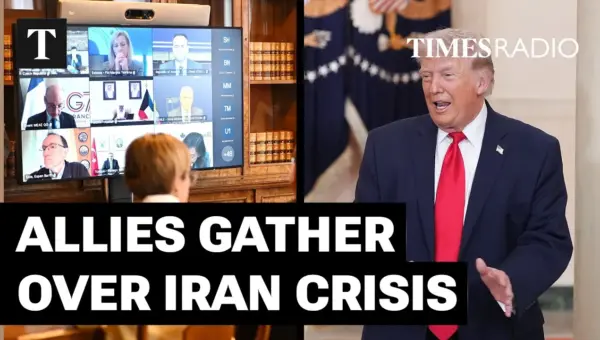
The UK has rallied over 40 countries to address the crisis in the Strait of Hormuz, a vital global energy route. The initiative seeks diplomatic and economic solutions amidst rising tensions and calls for a stronger European role. Experts suggest that negotiation, rather than military action, is key to securing the strait's passage.

Iran Claims Jet Downed, Escalates Regional Attacks
Iran claims it shot down a U.S. fighter jet, marking a significant escalation in regional tensions. The U.S. has been targeting Iranian infrastructure, while Iran and its allies have launched retaliatory strikes across the Middle East, impacting oil facilities and causing injuries. The critical Strait of Hormuz remains a key point of contention.