US Pledges Action Against Cuba Amidst Blackouts and Hardship
Cuba is experiencing a severe islandwide electricity blackout due to a collapsing power grid, exacerbated by U.S. oil sanctions. The Trump administration is capitalizing on the crisis, pushing for regime change and highlighting the Cuban government's failure to reform its economy.

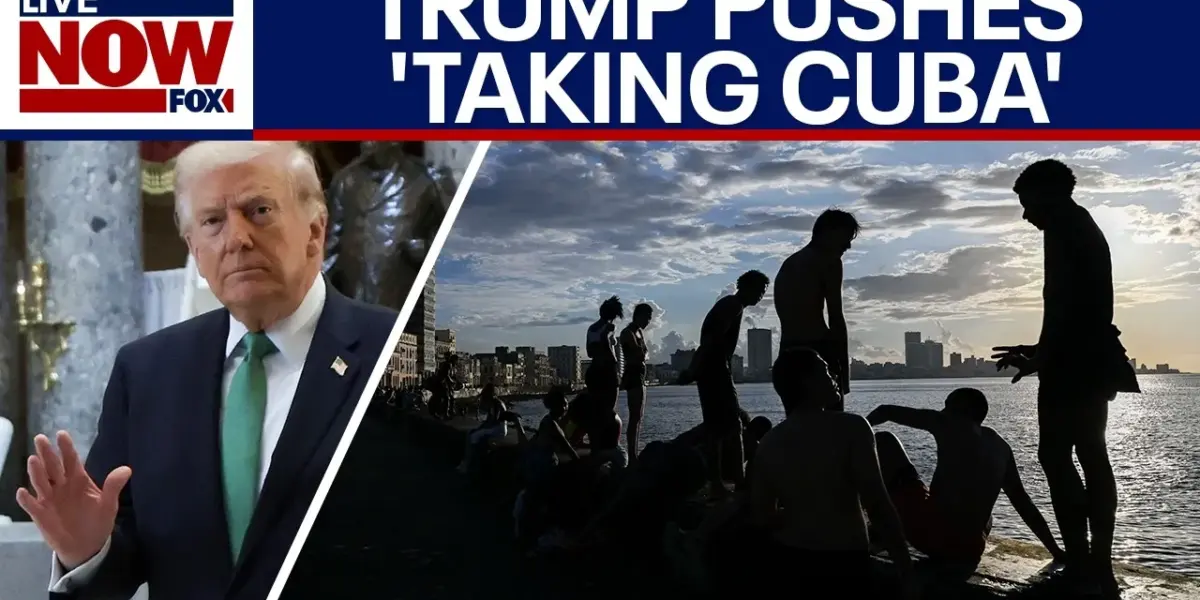
Cuba Plunged into Darkness as Power Grid Collapses Amid US Sanctions
Cuba is facing a severe crisis, with an islandwide electricity blackout leaving the nation in darkness. The national power grid is struggling under the weight of a U.S. oil embargo, which has halted shipments to the island since January 9th. This situation has intensified calls from the Trump administration for regime change in Cuba.
Secretary of State Marco Rubio stated that the U.S. oil embargo is directly linked to achieving political change on the island. He explained that the Cuban government is in deep trouble and lacks the solutions to fix the ongoing problems. “They have to get new people in charge,” Rubio asserted, emphasizing the need for new leadership.
Economic Hardship Fuels Widespread Protests
The blackout is just one symptom of a larger economic collapse affecting daily life in Cuba. Residents report a severe lack of basic necessities, including electricity, food, oil, and fuel. Private businesses are struggling with high prices as the cost of goods continues to rise.
These economic pressures have ignited large-scale protests across the country. The Cuban government has responded by limiting air travel and tourism, while also rationing gas and essential hospital services. A senior U.S. official described the situation as the “tragic result of over 60 years of communist rule,” noting that the island, once a Caribbean gem, has fallen into extreme poverty and darkness.
The impact on ordinary citizens is profound. One resident described the difficulty of climbing 17 flights of stairs to their apartment daily, only to find no water due to the prolonged power outages. This highlights the near-impossible daily existence many Cubans are enduring.
US Points to Cuban Government as Obstacle to Oil Deliveries
U.S. officials maintain that existing laws allow for private sector oil deliveries to Cuba. However, they claim the Cuban regime is actively preventing these shipments from reaching the island. This assertion places the blame for the ongoing crisis squarely on the Cuban government’s actions.
Expert Analysis: Decades of Neglect Behind Grid Failures
Connor Feifer, from the Foundation for Defense of Democracies, offered a different perspective on the cause of the blackouts. He argued that the fundamental issue lies with Cuba’s outdated infrastructure, which has not been updated due to a failing economy.
Feifer explained that while Cuba can produce about 40% of the oil needed for its power grid, the government has failed to make necessary upgrades. “The idea that this is solely the United States’s fault that there’s not power in Cuba is not accurate,” Feifer stated. He pointed out that power outages were common long before the recent U.S. oil import restrictions. “This is the fault of the regime that has failed to reform its economy and deliver for the Cuban people,” he added.
US Seeks New Leadership, Cites National Security Threats
The Trump administration’s goal is to see Cuban President Miguel Diaz-Canel removed from power. Secretary Rubio has made it clear that new leadership is essential for the island.
Feifer noted that since Diaz-Canel took office in 2018, over a fifth of Cuba’s population has left the island. This exodus, coupled with massive protests in 2021 and the current power outages, indicates a government unable to manage the crisis. Feifer believes U.S. pressure will likely increase, focusing on a negotiated solution for political and economic reforms.
The long-standing animosity between the U.S. and Cuba dates back to the Cold War. Cuba’s alignment with the Soviet Union and the placement of nuclear missiles just 90 miles from Florida during the Cuban Missile Crisis created a deep rift.
Even after the Cold War, Cuba has remained a concern for the U.S. due to its intelligence operations and its status as a state sponsor of terrorism. Feifer highlighted instances of Cuba recruiting high-level U.S. officials and selling intelligence to adversaries like China, Russia, and Iran. Furthermore, Cuba’s history of supporting terrorist groups and harboring fugitives from U.S. justice continues to be a significant issue.
Potential Benefits of Normalized Relations
A more normalized relationship with Cuba, contingent on political change, could offer several benefits to the United States. Feifer suggested it could help dismantle the national security threats posed by Cuba’s intelligence facilities, some of which are operated jointly with China.
Additionally, normalized relations could allow the Cuban-American community to participate in the island’s redevelopment. This would transform Cuba back into the Caribbean jewel it once was, ending decades of hardship under communist rule. These potential outcomes represent a significant win for U.S. interests.
What’s Next for Cuba?
As Cuba grapples with its ongoing crisis, the focus remains on the potential for political change. The U.S. appears committed to increasing pressure until new leadership emerges. Observers will be watching closely to see if a negotiated solution can be reached, leading to much-needed reforms and a brighter future for the Cuban people.
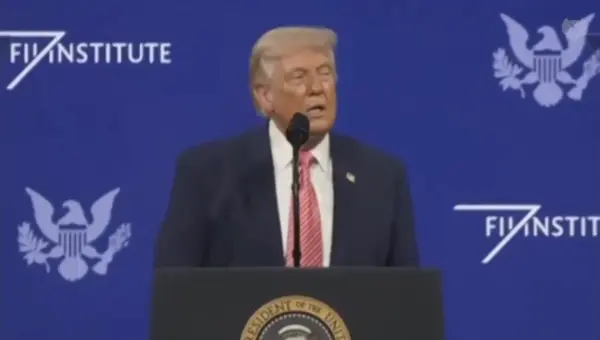
Source: Trump calls Cuba ‘weakened nation’ as he pledges action against government (YouTube)

Related Articles
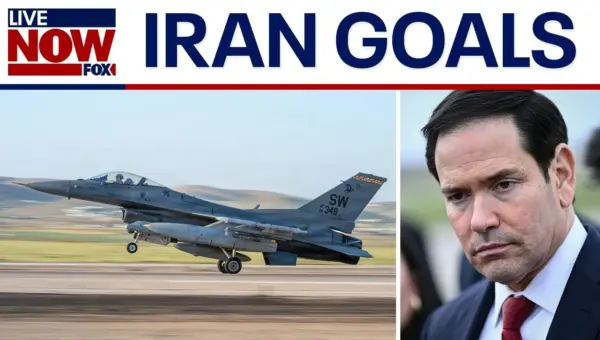
Rubio: US Can Achieve Iran War Goals Without Troops
Senator Marco Rubio outlined a strategy to counter Iran without deploying U.S. ground troops, focusing on weakening the regime and enhancing maritime security. He also criticized Cuba's economic system and expressed concerns about West Bank violence.
Trump’s Warpath: New Threats Signal Imperial Ambitions
Recent statements from Donald Trump reveal a potential embrace of increased military action and interventionist foreign policy. This approach, characterized by critics as "imperialism 2.0," contrasts with his past promises of peace and has even drawn criticism from parts of his own base. The implications for U.S. global engagement and domestic priorities are significant.

Bombing Iran Won’t Topple Regime, Risks Another Iraq
Repeating the mistakes of the Iraq War by bombing Iran could lead to chaos and strategic failure. History shows that bombing entrenches regimes and alienates populations, making change far more difficult. A complex, people-focused approach is needed instead.