US Pilot Rescued from Iran Amidst Escalating Tensions
A U.S. pilot was dramatically rescued from Iran after nearly 45 hours behind enemy lines, following the crash of an F-15 fighter jet. The massive operation unfolded amid escalating tensions and controversial threats from President Trump regarding Iranian infrastructure.

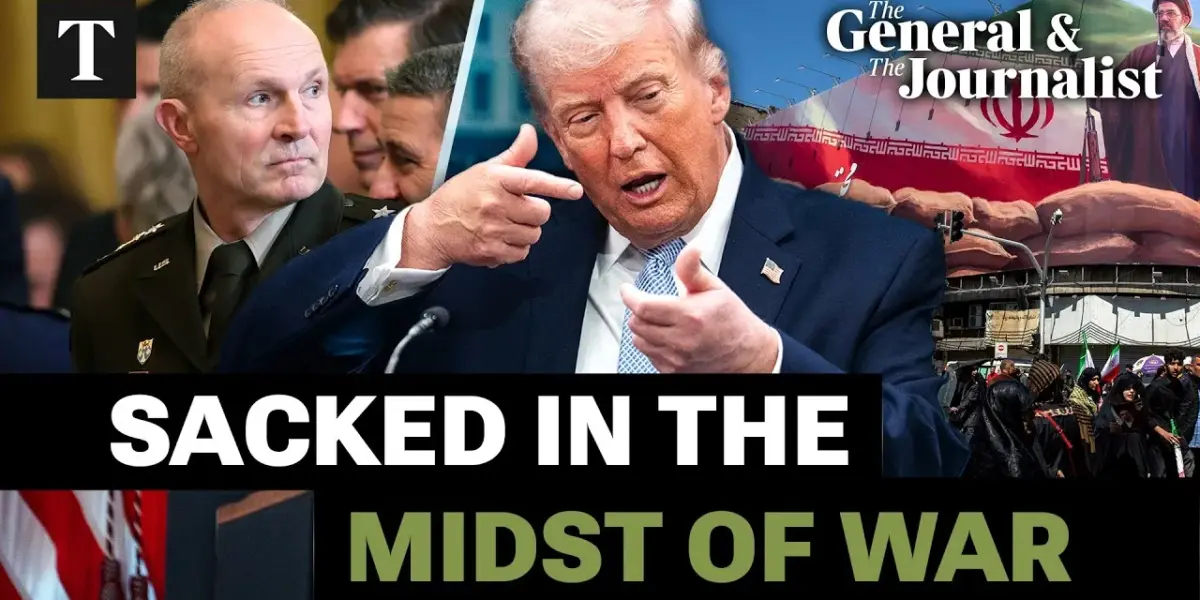
US Pilot Rescued from Iran Amidst Escalating Tensions
In a dramatic development during the sixth week of conflict with Iran, the United States successfully executed a high-risk military rescue mission to retrieve a downed U.S. pilot. The operation, which concluded over the weekend, saw the pilot, identified as “Dude 44 Bravo,” recovered after nearly 45 hours behind enemy lines. This event occurred as tensions escalated, marked by President Trump’s controversial threats to target Iranian infrastructure.
Extraordinary Rescue Operation
An American F-15 fighter jet went down deep inside Iranian territory late Thursday night. Both crew members ejected and landed alive. President Trump immediately ordered U.S. armed forces to undertake whatever actions were necessary for their recovery, stating, “In the United States military, we leave no American behind.”
The rescue mission involved an immense deployment of resources, estimated at around 155 aircraft. This included four bombers, 64 fighter jets, 48 refueling tankers, and 13 rescue aircraft, alongside tactical drones. The operation was designed to create confusion and misdirection for Iranian forces searching for the pilot.
Pilot’s Ordeal and Training
The pilot, a colonel, landed a significant distance from his crewmate, “Dude 44 Alpha,” who was rescued within hours. “Dude 44 Bravo” was wounded and bleeding, pursued by Iranian paramilitary forces. Standard military training for downed pilots involves moving away from the crash site and seeking higher ground.
John Nichol, a former Royal Air Force navigator shot down and captured in the first Gulf War, shared his perspective on the pilot’s experience. “You’re going from your comfort zone of your cockpit… to total and utter alien environment,” Nichol explained. He described the process as adapting to the situation, moving through fear and terror while trying to survive.
“You’ve almost got too much to think about to be scared, perhaps,” commented one of the journalists, reflecting on the intense situation. The rescued colonel reportedly found refuge in a mountain crevice, with the CIA eventually locating him using advanced surveillance technology.
The “Leave No One Behind” Ethos
The scale of the rescue operation highlights the U.S. military’s commitment to its “combat search and rescue” motto: “So that others may live.” This principle, while deeply ingrained, raises questions about risk versus reward.
Nichol acknowledged the emotional weight of such operations: “I would want people to risk coming in and getting me.” However, he also expressed a concern about the potential for a large-scale rescue mission to fail, leading to the loss of many more lives. “Would I want a Hercules with 200… with 100 army rangers on to be shot down coming to get me with all of those people? No, I don’t think I would,” he admitted.
The journalists discussed how such “wars of choice” necessitate maintaining public support at home, making the recovery of personnel crucial. They also contrasted the current situation with historical conflicts, where there was greater confidence in the humane treatment of prisoners of war under the laws of conflict.
Controversial Rhetoric and Legal Questions
The rescue took place amidst heightened tensions, including President Trump’s threats to destroy major Iranian infrastructure. These statements have drawn significant criticism and raised serious legal questions regarding the laws of armed conflict.
Experts noted that language matters greatly in international relations and war ethics. Threats to erase a civilization or inflict “hell” on a civilian population, by targeting infrastructure like power stations and bridges, could violate principles of distinction, proportion, and military necessity.
“If you’re looking at any target, it has to be a military objective, and the military advantage of attacking that target has to outweigh the harm that you will do to civilians,” explained one analyst. They pointed out that deliberate attacks on civilian infrastructure, as seen with Russian actions in Ukraine, have been condemned as war crimes.
The legality of such orders under both U.S. domestic law and international humanitarian law is being debated. The potential for U.S. generals to refuse unlawful orders, to avoid being held accountable in war crimes courts, was also mentioned.
Ceasefire and Lingering Concerns
A two-week ceasefire was agreed upon, brokered by Pakistan, which appears to have temporarily halted the threat of widespread infrastructure attacks. However, the underlying issues and the rhetoric used continue to cause damage to the U.S.’s moral authority and legitimacy on the world stage.
The long-term implications of such language and actions on alliances like NATO, and the potential for further escalation or retaliation from Iran, remain significant concerns for international stability.
Source: Can A President Legally Order The Death Of A 'Whole Civilisation'? (YouTube)

Related Articles

US Faces Global Backlash Over ‘Imperial Overreach’
Growing criticism suggests the United States is overextending its global power, alienating allies and citizens alike. This analysis explores the perceived shift from a republic to an empire, the internal debates on patriotism, and the manipulation of fear and beliefs. The piece emphasizes the importance of democratic participation as a means to reclaim the nation's founding ideals.
Trump Attacks Allies, Then Begs Them for Help
Donald Trump is reportedly publicly attacking NATO and European allies while privately begging them for help with the Iran situation. This conflicting approach raises questions about trust and the effectiveness of international diplomacy. Allies are reportedly considering their own solutions rather than caving to demands.


Trump’s Iran War Fuels Inflation, Strains Alliances
Donald Trump's recent military actions in Iran are being blamed for a significant rise in U.S. inflation and increased gas prices, impacting consumer confidence. The conflict has also strained relationships with key international allies, leading to diplomatic friction and questions about the future of alliances like NATO.