US Pilot Missing After Jet Shot Down Over Iran
A U.S. combat jet reportedly shot down over Iran has left one pilot missing, sparking a complex search and rescue operation. The incident highlights the extreme dangers faced by downed aviators and the high-stakes missions to bring them home. Reports of a bounty on the pilot's head further complicate the situation.

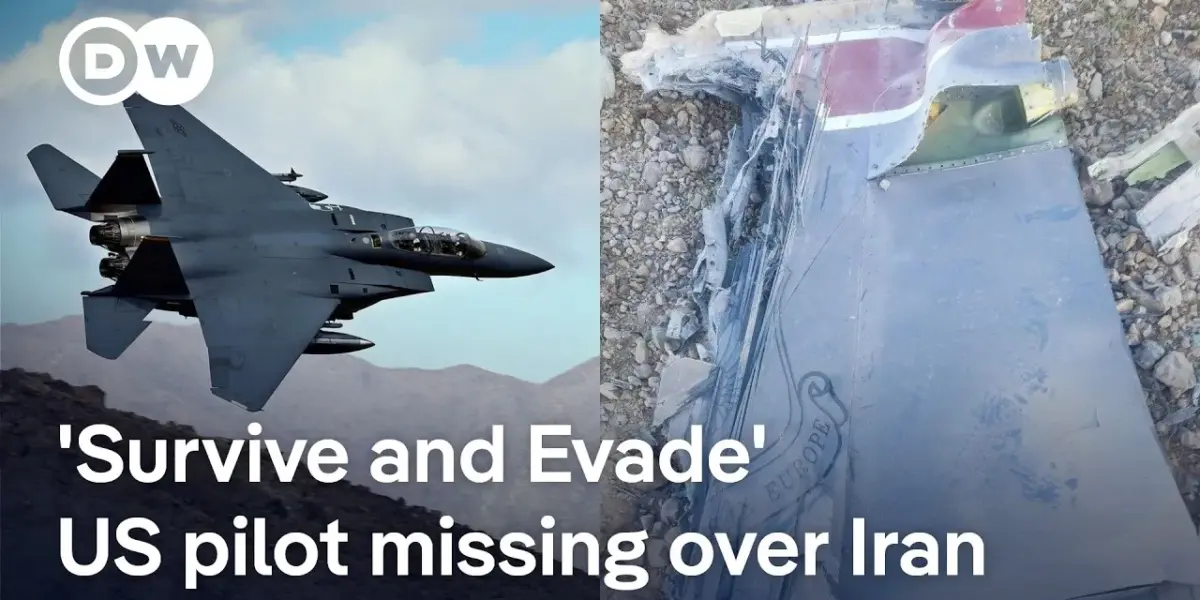
US Pilot Missing After Jet Shot Down Over Iran
A U.S. combat jet has reportedly been shot down over southern Iran, sparking a desperate search for one of its two crew members. While one pilot was rescued, the whereabouts of the second remain unknown. The incident, if confirmed as a shootdown, raises critical questions about the ongoing military tensions in the region.
Ejection from Supersonic Jet is Violent
Ejecting from a high-speed military jet like the F-15E Strike Eagle is a harrowing and violent experience. The aircraft can be traveling at nearly 500 knots, making the ejection process extremely forceful. The back-seater ejects first, followed by the pilot, to avoid being injured by the rocket’s exhaust. Even with this procedure, the intense G-forces and the solid feel of the air can cause immediate injuries. This is compounded if the aircraft is tumbling out of control due to enemy fire or a catastrophic mechanical failure.
Survival and Evasion Behind Enemy Lines
Once on the ground, a downed pilot faces immediate challenges. The first priority is assessing any injuries, as adrenaline can mask pain. Then, the critical need to evade detection becomes paramount. A parachute descent is highly visible, so the pilot must move away from the landing zone quickly. If injured or unable to move swiftly, hiding becomes essential. Pilots are trained in SERE – Survival, Evasion, Resistance, and Escape. This training covers living off the land, finding shelter, and using survival gear, enabling them to potentially survive for weeks or even months.
Complex Combat Search and Rescue Operations
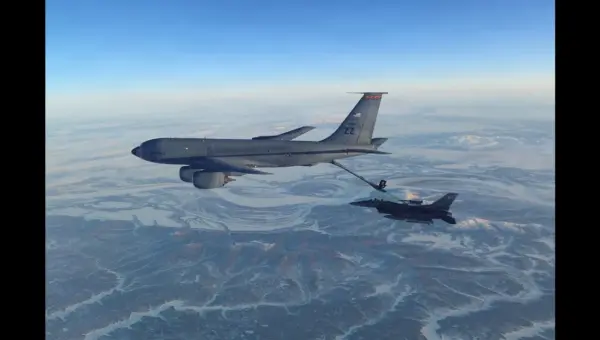
Military commanders face immense challenges when staging rescue operations. These missions involve specialized search and rescue task forces, often utilizing aircraft like the Combat King for air refueling of helicopters. This extends the helicopters’ range, allowing them to operate far from friendly territory. Operations are typically conducted at night and at very low altitudes to avoid detection. The primary goal is to locate, authenticate, and extract the survivor. This process is complicated by the need to identify the correct individual, as past conflicts have seen deception tactics. The rescue teams, known as pararescue (PJ’s), are highly trained special warfare operators who provide medical care and extraction.
High Risks for Rescue Teams
The danger to rescue teams is extreme. Their motto, “These things we do, that others may live,” reflects the risks they willingly undertake. Flying low and fast, often at night using night vision and infrared, exposes them to threats from the ground. This includes not only enemy troops with portable air defense systems (MANPADS) but also the unforgiving terrain itself, which can be a significant hazard. Despite these dangers, the commitment to retrieving downed airmen is absolute.
Why Two Crew Members Might Be Separated
The separation of the two crew members is not uncommon. While ideally, they would land near each other, factors like high ejection speeds can create significant distance between them. Wind, terrain, and visibility can also play a role in their dispersal. Furthermore, both the downed pilots and the search teams must consider that adversaries are also actively searching. This can lead to pilots dispersing to evade capture, making the search for the second individual significantly more difficult. Electronic beacons, often used for location, are typically turned off to avoid detection.
Bounty on Missing Pilot Increases Danger
The situation is further complicated by reports of a bounty offered by Iranian state television for the capture of the missing U.S. pilot. This incentivizes local populations to search, increasing the number of people looking for the downed airman. While some locals might be sympathetic and offer help, others may be compelled by the reward. The pilot’s ability to evade detection is crucial, especially since local residents know the terrain intimately and can spot anomalies.
Potential Capture and Propaganda Value
If captured, the pilot could face interrogation and potential torture, depending on whether international laws like the Geneva Conventions are followed. The pilot is trained to resist and evade, withholding information that could harm others. However, the Iranian government could leverage the capture for significant propaganda purposes, portraying a victory and undermining U.S. military prowess. This propaganda value might be a primary motivation for the Iranian regime.
Second Jet Downed Near Strait of Hormuz
Adding to the concern, a second U.S. aircraft, an A-10 ground attack fighter, was reportedly shot down near the Strait of Hormuz, with its pilot reportedly rescued. While major Iranian air defense systems have reportedly been degraded, the possibility of being targeted by smaller, man-portable systems or even automatic weapons remains. These lower-altitude threats, often guided by infrared, can still pose a significant danger to aircraft flying close to the ground.
Broader Implications for US-Iran Conflict
These incidents occur amidst ongoing tensions between the U.S. and Iran. While U.S. officials have claimed to have significantly degraded Iran’s military capabilities, including its air force and missile programs, reports suggest Iran is working to restore its defenses. The effectiveness of Iran’s remaining air defenses, particularly lower-tier systems, is now under scrutiny. The possibility of escalation remains a concern, though the U.S. has historically sought to avoid a large-scale ground invasion.
Ground Invasion Remains a Concern
Despite claims of a swift conflict resolution, the ongoing situation raises questions about the potential for a U.S. ground presence. Lessons from past conflicts in Iraq and Afghanistan weigh heavily on U.S. military strategy. While significant naval and air power is present in the region, any decision for ground troops would likely focus on strategically critical areas, such as the Strait of Hormuz, to control vital logistics and supply lines. However, the hope remains that military deterrence will prevent such an escalation.
Source: US pilot missing over Iran – the protocol that could bring them home | DW News (YouTube)

Related Articles
US Jet Downed Over Iran: Crew Separation Risks Examined
A U.S. fighter jet downed over Iran prompts a search and rescue mission, highlighting the risks and challenges faced by aircrews. Analysts suggest factors like low altitude and wind may have contributed to the incident, while the vital role of the Space Force in modern military operations is also examined.
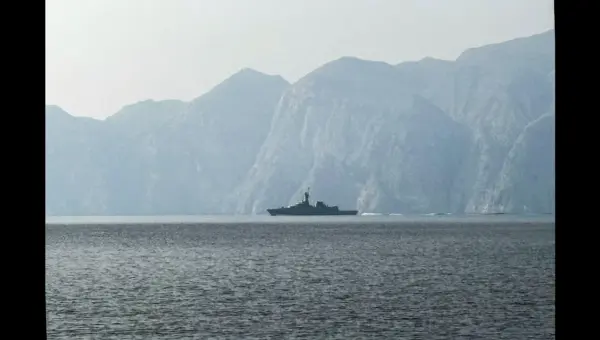
Iran’s Strait of Hormuz Threats Offer Chance to Reshape Middle East
Iran's aggressive tactics in the Strait of Hormuz, while threatening global energy supplies, present a unique opportunity to reshape Middle East dynamics. Analyst David Wormser suggests that new energy routes and strategic island seizures could fundamentally alter regional power structures and trade.


US Pilot Missing After Jets Downed in Middle East
A U.S. pilot is missing after two American warplanes were shot down over the Middle East, with Iran claiming responsibility for one incident. The downed aircraft and ongoing search operation occur amid scrutiny of President Trump's strategy and response, as concerns mount over Iran's resilience and potential economic motivations behind the conflict.