US Pilot Downed in Iran: A High-Stakes Search
A US pilot ejected over Iran has triggered a high-stakes search operation, with both nations vying to find him. The pilot's capture could significantly shift the conflict's dynamics, potentially leading to hostage situations and altering geopolitical leverage. This incident highlights Iran's asymmetric warfare tactics against US military dominance.

US Pilot Downed in Iran: A High-Stakes Search
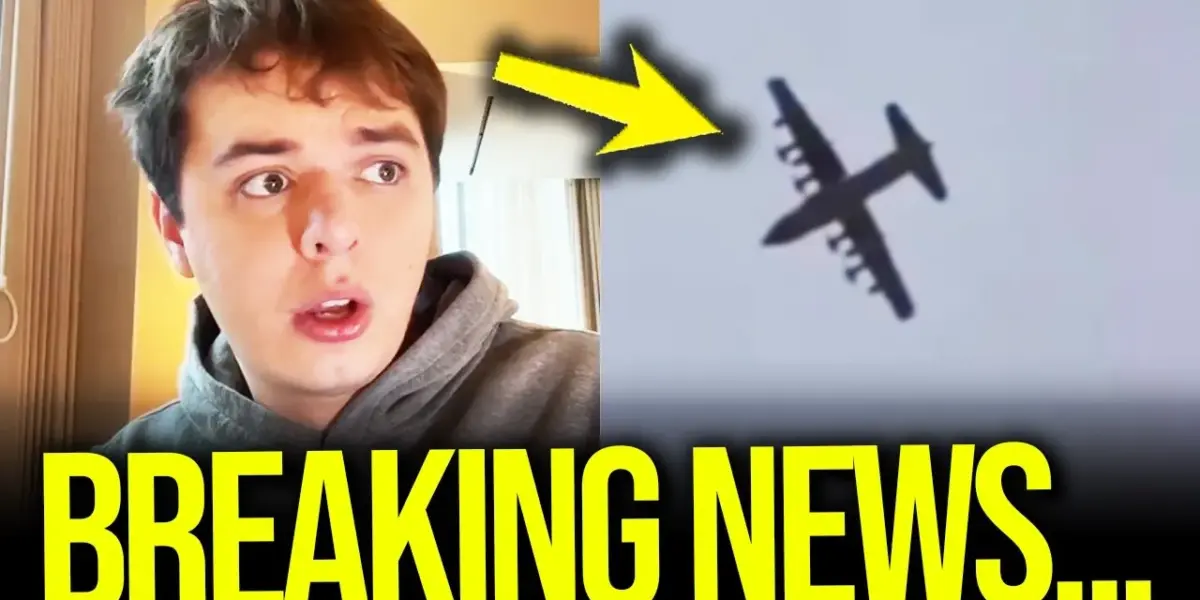
A United States pilot ejected from his jet over Iran, sparking a frantic search and rescue operation. This incident has raised the stakes significantly in the ongoing conflict, as the pilot’s fate could dramatically alter the balance of power between the two nations.
The Critical Situation
Both the United States and Iran are actively searching for the downed pilot. If Iran finds the pilot first, they could use him as leverage, potentially holding him hostage to gain an advantage. This could lead to Iran using tactics like blocking the Strait of Hormuz, threatening proxies with missiles, or taking US troops hostage to extort concessions from the United States. The primary concern for everyone involved is the safe return of the US service member.
Iran’s Claims and Actions
Iran has previously claimed to have shot down enemy aircraft, but these claims have often proven to be untrue. However, this latest incident appears different. Iran has gone public, urging its citizens to hunt for the pilot, initially calling for Americans to be shot on sight. Later, the message shifted to a call to search for and capture the pilot alive, clearly stating their intention to use him as leverage.
Evidence on the Ground
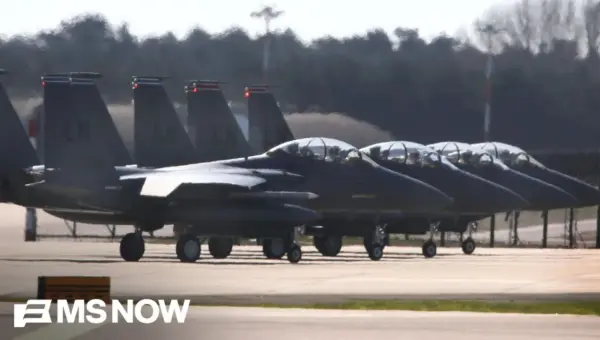
A photo has emerged showing an ejection seat from a US Air Force F-15 Strike Eagle found by residents in southern Iran. This indicates that US military equipment is falling into Iranian hands. The whereabouts and status of the pilot and a potential weapons officer are still unknown. There are unconfirmed reports that one or both crew members may have been captured by the Iranian Revolutionary Guard Corps (IRGC).
US Response and Escalation
The US Air Force has launched a search and rescue operation, with aircraft flying low over southern Iran. This operation involves specialized aircraft for mid-air refueling of rescue helicopters, highlighting the urgency and difficulty of the mission. The situation suggests a deepening involvement in the conflict, with troop mobilizations and increased funding requests from the US.
Historical Context of Hostage-Taking
The tactic of taking hostages is not new for Iran. After the revolution, Iran took American embassy workers hostage, using them as a powerful bargaining chip against the United States. Experts suggest that having even one American service member as a hostage could potentially lead to the end of the war, as Iran has historically found this tactic highly effective for self-protection and leverage.
Critique of US Strategy
Critics argue that the US has been drawn deeper into the conflict without achieving significant strategic wins. Despite possessing superior military technology and having destroyed many Iranian military assets, Iran continues to wage asymmetric warfare effectively. The loss of multiple high-value US aircraft, which were theoretically supposed to be untouchable, raises questions about the effectiveness of US strategy and investments in new weapon systems. The current situation is described by some as a catastrophe due to poor execution of military operations.
Potential Scenarios
If Iran secures the pilot, they are likely to hide him and use him as a hostage. They may demand a ceasefire or a hostage exchange, aiming to gain international sympathy by portraying themselves as seeking peace while America is the aggressor. If the United States finds the pilot first, the rescue operation itself becomes complex and risky, potentially endangering more US forces and risking further hostage situations.
The Role of Leadership
There is criticism that leaders like Donald Trump have not pursued a clear, strategic plan. Instead, decisions appear to be driven by a desire for political victories and public relations gains. The rhetoric surrounding negotiations and the goals of the conflict has shifted, leading to confusion and a lack of clarity on the overall strategy. The pursuit of regime change and civil war in Iran has failed, leading to a strategy focused on devastating the country, which carries severe implications for the civilian population.
Why This Matters
This incident underscores the volatile nature of geopolitical conflicts and the devastating consequences of escalating tensions. The potential for a downed pilot to become a key bargaining chip highlights the asymmetric warfare tactics employed by nations seeking to counter a stronger military power. It raises critical questions about US foreign policy, strategic planning, and the human cost of international conflicts. The situation also brings to the forefront the suffering of civilian populations caught in the crossfire of such disputes.
Implications and Future Outlook
The outcome of this search will have significant implications for regional stability and US foreign policy. If Iran gains leverage, it could embolden them to pursue further asymmetric actions. Conversely, a successful US rescue, though challenging, would prevent Iran from exploiting the situation. The broader trend suggests a complex and prolonged conflict, where traditional military might is countered by unconventional tactics. The focus on devastating Iran’s infrastructure, while intended to pressure the government, could lead to immense humanitarian suffering, a move criticized by many as ethically questionable and strategically flawed.
Source: Trump Shaken by FRANTIC SEARCH for MISSING PILOT (YouTube)

Related Articles
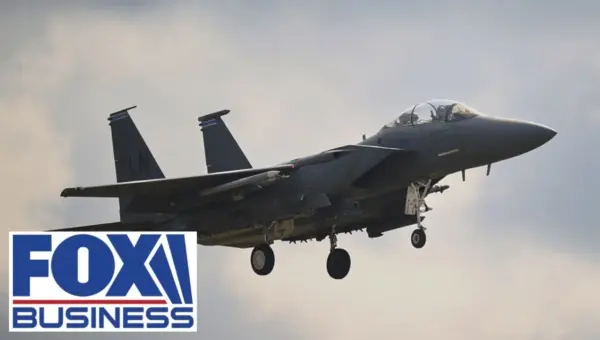
Iran Downs US F-15; One Pilot Rescued, Second Missing
A U.S. F-15 fighter jet has been shot down over Iran, with one pilot rescued and a search underway for the second. Iran is leveraging the incident for propaganda purposes, while the U.S. prioritizes the rescue mission.


Kremlin Media Warns of Ukraine’s Long-Range Strikes
Russian state television is amplifying warnings about Ukraine's potential to strike deep into Russian territory with newly supplied long-range weapons. Prominent figures voice concerns over targeting key Russian sites, while historical narratives are selectively used to criticize European nations, particularly Germany. The media aims to foster domestic unity by framing dissent as treason and emphasizing perceived external threats from NATO.
US Scours Iran for Downed F-15 Crew
A U.S. F-15 fighter jet has crashed in Iran, triggering an intense search and rescue mission. The crew, trained in survival techniques, is being sought by specialized teams. The incident raises concerns about the crew's safety and potential political leverage for Iran if captured.