US Peace Plan Sends Stocks Soaring on War Hopes
U.S. stock futures surged Tuesday night after a report revealed the U.S. sent Iran a 15-point plan to end the war. Despite optimism, concerns linger over consumer impact from high oil prices and potential corruption in prediction markets.

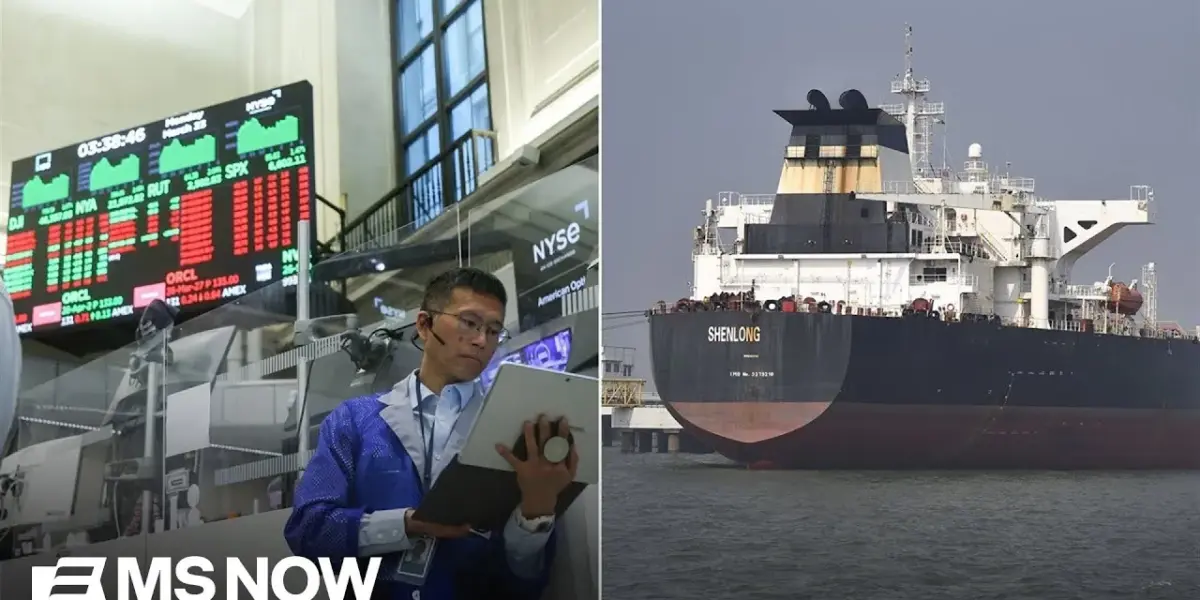
Stocks Surge on U.S. Peace Proposal for Iran Conflict
U.S. stock futures jumped significantly Tuesday night following a New York Times report. The report stated that the United States has sent a 15-point plan to Iran. This plan aims to end the ongoing war. Two officials familiar with the diplomatic efforts confirmed the report to the Times. This news comes after a brief pause in yesterday’s stock market rally, which had seen investor optimism fade and oil prices climb.
Oil Prices and Geopolitical Tensions
The Strait of Hormuz has been closed for nearly three weeks. Despite this, oil prices have remained around $100 a barrel. This stability has led some to question the impact of political rhetoric on market prices. “You could also make the argument with this sort of 15-point plan that it could be a lot lower,” noted Dan Nathan, a CNBC contributor and co-host of the Risk Reversal podcast. He pointed out that oil was trading at $55 a barrel just a couple of months ago.
Nathan explained that while closing the Strait of Hormuz is significant, the market may not fully reflect the risk. “The fact that the Iranians say that there’s certain ships that might be able to kind of flow through there right now, I don’t think that’s going to put too much downward pressure right now on oil because again, we just don’t know how this is going to shake out,” he said. He drew a comparison to tariffs, noting that canceling them can have a psychological impact but doesn’t always fix underlying economic issues. The disruption of supply chains through choke points like the Strait of Hormuz can have long-lasting effects. “So you kind of disrupt supply chains like this. There’s going to be reverberations for months, if not maybe into next year,” Nathan added.
Economic Impact on Consumers
Rohit Chopra, former director of the Consumer Financial Protection Bureau, emphasized the real-world economic consequences. “Wall Street knows that the president will chicken out if it really comes to big increases in the price of oil,” Chopra stated. He warned that the effects of price hikes, like those from tariffs and rising energy costs, are felt over time. “It is going to get wiped away by the $4 cost of gasoline and the increases in prices that people are paying from the tariffs,” he explained. Chopra highlighted that consumers are already struggling, borrowing more to make ends meet. Projections show average gas prices could reach $4.35-$4.40 per gallon in May, putting further strain on household budgets.
The national average for a gallon of gas has neared $4. Some states, like Georgia, have paused gas taxes to offer drivers relief. However, Chopra expressed concern about opportunistic price gouging during these periods of high prices. “I am actually very worried in general about price gouging in the times of these sort of price spikes,” he said. He recalled instances where manufacturers raised prices, blaming tariffs to avoid taking the blame themselves. “The political damage for those in power,” Chopra warned, “when they don’t take active action to combat these price spikes, there is revenge from in the democratic process at the ballot.” He believes this is a significant gamble for the current administration.
Prediction Markets and Insider Trading Concerns
The discussion also turned to prediction markets, such as Kalshi and Polymarket, where individuals bet on future events. While these markets can offer insights, there are growing concerns about their integrity and potential for manipulation. “Kalshi users are betting against this trade of the war removing or reopening over the next few weeks,” the host noted, indicating a disconnect between stock market optimism and betting market sentiment.
Chopra voiced serious concerns about the regulation of these markets. “My concern is that there’s all sort of incentives to spoof these markets. Especially for political sort of reasons,” he stated. He explained that with limited capital in some markets, individuals could influence prices and perceptions. “You can kind of go into a market where there’s not a lot of capital committed and you can move the market and you can basically influence the way people are thinking about some of these big events.” The potential for insider trading is also a major worry. “The insider trading thing is going to be something that’s going to be really hard to track, especially because you can bet on anything now,” Chopra added.
He further elaborated on the normalization of gambling and the potential for corruption. “What we’re seeing here actually is a lot of gambling. And there is a multi-million dollar effort to really normalize the idea of gambling at the federal level,” Chopra said. He cited examples of suspicious betting activity, including bets placed on the duration of White House press briefings. “There is a betting market on how long her briefing is. And she suspiciously went 30 seconds before the prediction market estimated it, clearly making somebody that she tipped big money,” he observed. Chopra concluded, “This is another vector of corruption that even if people don’t understand, they smell it, they sense it, and they don’t like it.”
Looking Ahead
The successful de-escalation of the conflict in the Strait of Hormuz and the broader implications of the U.S. peace proposal will be closely watched. Investors will be gauging the market’s sustained reaction to the news, while consumers will continue to feel the pinch of higher energy and goods prices. The debate over the regulation of prediction markets and the prevention of insider trading is also likely to intensify as these platforms gain more prominence.
Source: Stock futures soar after U.S. reportedly sends Iran a plan to end the war (YouTube)

Related Articles
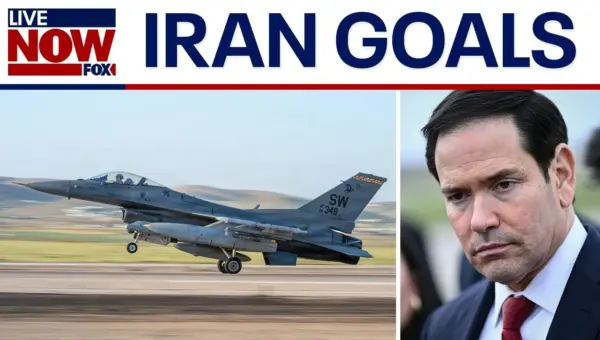
Rubio: US Can Achieve Iran War Goals Without Troops
Senator Marco Rubio outlined a strategy to counter Iran without deploying U.S. ground troops, focusing on weakening the regime and enhancing maritime security. He also criticized Cuba's economic system and expressed concerns about West Bank violence.


Israel Escalates Iran Strikes, Warns of Wider War
Israel has launched significant strikes inside Iran following continued missile fire, warning of further escalation. The conflict risks wider regional instability and economic disruption, especially concerning the Strait of Hormuz.

Tiger Woods Arrested for DUI After Crash
Golf legend Tiger Woods was arrested for DUI in Florida following a dramatic rollover crash. Meanwhile, a government shutdown continues as House Republicans block a Senate deal, leading to airport chaos and TSA worker pay issues. The stock market also plummeted into correction territory amid fears of a prolonged Iran conflict.