US Pauses Iran Strikes: Diplomacy or Deception on Display?
President Trump's pause on strikes against Iran follows intense military action and "strong talks." Analyst Andrew Harding suggests this is a strategic move, leveraging Iran's weakened position after "Operation Epic Fury" to achieve diplomatic gains. However, Iran's denials of dialogue raise questions about the sincerity of negotiations.

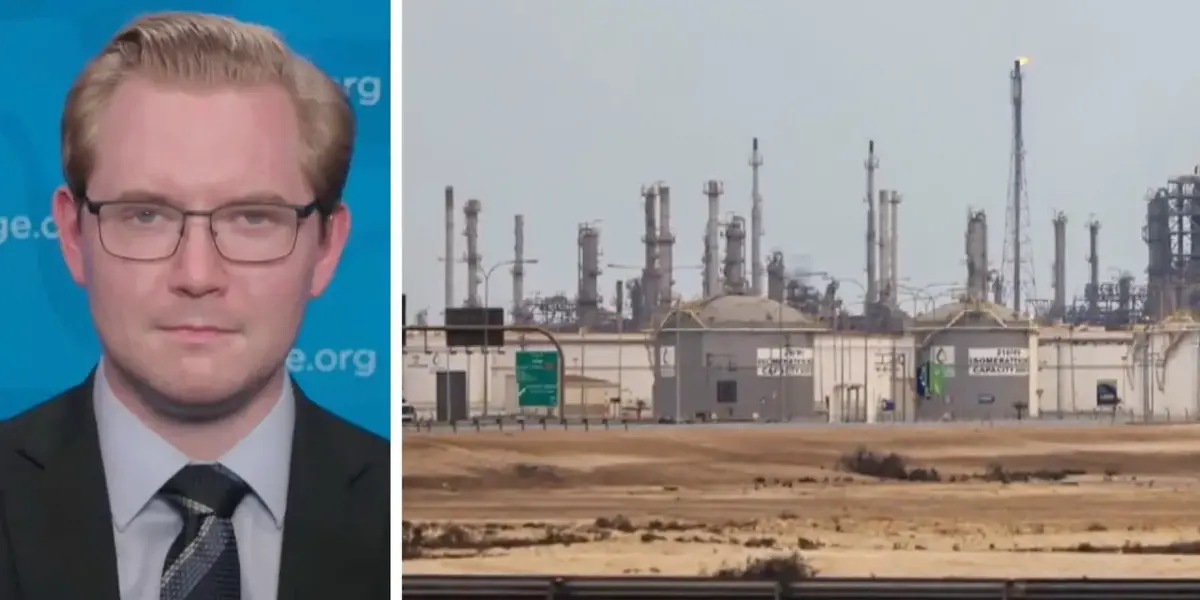
US Pauses Iran Strikes: Diplomacy or Deception on Display?
President Trump recently announced a five-day pause on U.S. military strikes against Iranian energy sites. This move, following what the President described as “very strong talks” with Iran, has sparked debate about the true nature of diplomacy at play. While the State Department renewed a worldwide caution alert, warning of potential Iranian-backed attacks on Americans, some analysts see this pause as a strategic victory, a sign of successful diplomacy born from military pressure.
Operation Epic Fury’s Impact
Andrew Harding, a senior associate at the Heritage Foundation, believes the success of a recent military operation, dubbed “Operation Epic Fury,” is the key reason Iran is willing to engage in talks. Harding suggests that Iran understands the U.S. can significantly damage its energy infrastructure, forcing them to take threats seriously. This perceived capability, he argues, makes Iran more open to a negotiated settlement.
“Operation Epic Fury has forced Iran to be in a much weaker position than it ever could have imagined,” Harding stated. He pointed to reports of significant losses for Iran, including missile capabilities and drones, following the operation. This, coupled with potential joint efforts with Israel, has, in his view, weakened Iran’s position and strengthened the U.S.’s hand in negotiations.
A Pattern of Negotiation
Critics and observers have noted that President Trump’s approach to negotiations often involves a stop-and-go strategy, similar to past dealings on trade tariffs. This pattern suggests that the pause in strikes might be a tactic to increase leverage rather than a definitive shift away from military action. Harding supports this view, stating that the pause provides the U.S. with “a lot of new leverage without losing any for Iran specifically.”
This strategic pause, according to Harding, also allows the U.S. more time to address concerns about oil market prices and to deploy additional military assets if needed. The goal, he explained, is to “maximize its leverage and to keep the force on the Iranians to finally come to the table with meaningful diplomacy.”
Iran’s Response and Trust
However, Iran’s official news agency has denied any ongoing dialogue with Washington. This creates a clear contradiction with President Trump’s statements. Harding suggests that Iran’s denials are an attempt to project strength internally, especially given the reported military setbacks.
“Iran does not have a good track record of telling the truth there,” Harding commented. He believes Iran is trying to “grasp as many straws as possible to demonstrate strength.” He pointed to the current leader not being widely seen as a sign of internal issues. Harding expressed confidence in President Trump’s statements, suggesting that Iran might be willing to offer significant concessions that benefit American national security.
Regime Change Considerations
The discussion also touched upon the possibility of regime change in Iran. President Trump has previously spoken about this, and Harding believes the President’s focus remains on U.S. security interests: preventing Iran from obtaining nuclear weapons, stopping its ballistic missile program, and curbing its support for terrorist groups.
Harding suggested that if certain members of the Iranian regime prove to be more practical and willing to work with the U.S., it could lead to a breakthrough. “If there can be a scenario in which there are members of the regime that are more practical, that are more willing to work with the president… then there may be a possibility of a breakthrough here,” he said.
Safety Warnings and Future Outlook
The renewed worldwide caution alert from the State Department highlights ongoing concerns about Iranian-backed groups targeting Americans. Harding stressed the importance of caution, calling Iran the “world’s largest state sponsor of terror.” He noted recent attacks with anti-Semitic roots as evidence of Iran’s intent to harm Americans.
While urging Americans to remain alert, especially when traveling abroad, Harding expressed trust in the President and the U.S. armed forces to ensure safety. The situation remains complex, with military pressure seemingly paving the way for diplomatic talks, but Iran’s continued denials and the persistent threat of attacks add layers of uncertainty. The coming days will reveal whether this strategic pause leads to lasting peace or merely a temporary lull in hostilities.
Why This Matters
This situation is critical because it involves major global powers and potential conflict in a strategically vital region. The U.S. is using a combination of military action and diplomatic pressure to achieve its goals, which include preventing Iran from developing nuclear weapons and curbing its regional influence. The outcome of these negotiations could significantly impact global energy markets, international security, and the stability of the Middle East. Understanding the tactics used by both sides, the reliability of their statements, and the underlying military realities is key to assessing the true progress towards peace or the potential for renewed conflict.
Historical Context
U.S.-Iran relations have been strained for decades, particularly since the 1979 Iranian Revolution. Periods of intense hostility have often alternated with attempts at dialogue. The current situation echoes past efforts to manage Iran’s nuclear program and its regional activities through sanctions, military deterrence, and diplomatic engagement. Previous administrations have also faced similar challenges in verifying Iran’s intentions and ensuring compliance with international agreements. The use of military operations to create leverage for diplomatic talks is a strategy that has been employed in various international conflicts, though its success is often debated and depends heavily on the specific context and the willingness of all parties to negotiate in good faith.
Implications and Future Outlook
The pause in strikes, if it leads to genuine concessions from Iran, could mark a significant diplomatic achievement. It might result in a more stable regional environment and reduce the threat of Iranian nuclear proliferation. Conversely, if Iran is merely buying time or using the talks to regroup, the U.S. may find itself back at a similar or even more dangerous juncture. The mention of potential regime change, even indirectly, adds another layer of complexity, as such policies often carry unintended consequences. The effectiveness of President Trump’s approach will be judged by whether it leads to lasting security improvements for the U.S. and its allies, and whether Iran truly alters its behavior regarding its nuclear program and regional activities.
Source: Operation Epic Fury Has Yielded True Diplomacy With Iran: Analyst (YouTube)

Related Articles
Iran’s Missile Threat Reduced by 90%, Analyst Says
An analyst reports that Operation Epic Fury has degraded Iran's missile launchers by 90%, despite challenges in targeting hidden sites. The conflict's duration and media coverage are also discussed, with implications for global energy markets and investor confidence.

Gulf States Demand Seat at Table on Iran’s Nuclear Future
Gulf states are demanding a seat at the table for any U.S.-Iran talks regarding Iran's nuclear future. This move reflects a growing assertiveness and a desire to shape regional security directly. It signals a potential shift towards more inclusive diplomatic efforts in the Middle East.

Rubio Puts US First at G7 Summit, Sparks Debate
Secretary of State Marco Rubio attended the G7 summit in France, emphasizing his commitment to serving the American people above all else. The meeting addressed the war in Iran and Russia's role, revealing differing approaches among allies on regional security and the Strait of Hormuz.