US Official Claims Iran War Could End Soon; Expert Skeptical
Despite US envoy Steve Woff's optimism about imminent talks and a swift end to the conflict with Iran, expert Aaron David Miller expresses significant doubt. Miller argues that a lack of shared urgency and fundamental miscalculations by the US administration make a quick resolution unlikely.

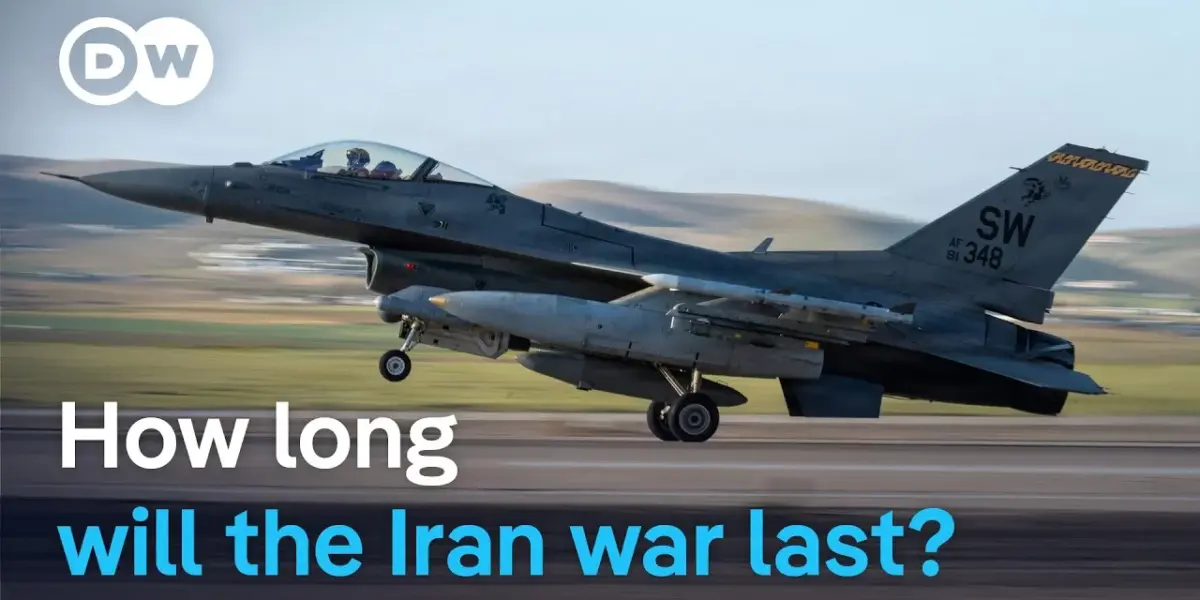
US Envoy Hints at Swift Resolution to Iran Conflict
Top US officials have suggested that the conflict with Iran could be nearing an end, with some even predicting face-to-face talks within days. Steve Woff, the US special envoy to the Middle East, expressed optimism about potential meetings and a peace deal, emphasizing a strategy of “peace through strength.” “We think there will be meetings this week,” Woff stated, adding, “We’re certainly hopeful for it.” He believes that pressure is necessary to bring parties to the negotiating table.
Expert Doubts Imminent Peace Deal
However, Aaron David Miller, a senior fellow at the Carnegie Endowment for International Peace and a former Middle East negotiator, offers a starkly different perspective. Miller believes the chances of such a meeting happening soon are “slim to none.” He argues that the current international crisis is too complex to be resolved quickly, stating, “It’s not going to be resolved in a day. It’s not going to be resolved in a week.” Miller predicts that discussions about the conflict will likely continue for some time.
Iran’s Strategy and Lack of Urgency
According to Miller, the Iranians do not feel pressured to negotiate. He explains that they believe they are currently winning and are prepared to endure more hardship. “The Iranians are keeping the clock because whether they’re delusional or not, the Iranians believe they’re winning,” Miller said. He noted that Iran has effectively used geography as a weapon, making it difficult for adversaries to gain a clear advantage. This lack of a “shared sense of urgency” on both sides is a major obstacle to a swift resolution.
US Administration’s Approach Questioned
Miller also questions the US administration’s strategy, suggesting that their efforts might be more performative than productive. He points to the significant gaps between the US’s 15-point plan and Iran’s five-point response, describing them as “galactic.” The administration’s focus, Miller implies, may be driven by factors other than a clear national interest. “You’re not dealing with a president who has a clear conception of the American national interest,” he remarked regarding President Trump’s approach.
Analysis of Recent Military Actions
Recent events, such as strikes on Saudi Arabia’s Sultan air base, highlight the ongoing instability. The incident, which resulted in injuries to American servicemen, suggests that the situation is not fully under US control. Miller also touched upon the depletion of US missile stockpiles, noting that some analysts believe the US has used a significant portion of its Tomahawk missile supply. Replenishing these supplies could take months or even years, raising concerns about the sustainability of prolonged military operations.
Miscalculations and Future Outlook
Miller believes the US has made “massive miscalculations” in its approach to Iran. He argues that the administration wrongly assumed Iran would capitulate under pressure or that the Iranian regime would fracture. Instead, the conflict seems to have strengthened the regime’s hold. “The question is did the president make the right decision in striking Iran now and after a month it seems to me there have been two fundamental miscalculations,” Miller stated.
Israel’s Role and Uncertain End
The role of Israel in the conflict is also a key consideration. Miller suggests that President Trump holds significant leverage over Israeli Prime Minister Benjamin Netanyahu, particularly due to upcoming Israeli elections. “When President Trump says the war will end, Netanyahu will say yes sir,” Miller predicted, indicating that Israel would likely follow the US lead.
When asked about a potential end date, Miller was hesitant to give a firm prediction. He likened the situation to the ancient oracle of Delphi, unable to foresee a clear outcome. “I think we’re talking weeks. What is it, March 27th? I’m thinking sometime end of April, early May. Maybe we’ll see a break, some sort of break, but no, there’s a lot a lot of water under that still needs to flow sadly under the bridge,” he concluded.
“The chances are slim to none. Um, look, you can have a meeting. Uh, Steve Whit’s right about one thing. You cannot deal with this issue on the back of a cocktail napkin or on a cell phone or directly through moderator mediators. Uh, you now have an international crisis. It’s not going to be resolved in a day. It’s not going to be resolved in a week.”
“I just don’t see how anyone could reach the conclusion that it wasn’t [a massive miscalculation].”
Source: Will the Iran war really be over within weeks? | DW News (YouTube)

Related Articles

US Weighs Shifting Ukraine Weapons to Iran Amid Missile Shortage
The U.S. is reportedly considering diverting weapons destined for Ukraine to support operations against Iran, driven by rapidly depleted missile stocks. This potential shift raises concerns about Ukraine's defense capabilities and highlights the complex interplay between global conflicts.

Saudi Arabia Pushes US for Iran War, Report Claims
Saudi Arabia's Crown Prince Mohammed bin Salman has reportedly urged the US to escalate military action against Iran, viewing it as an opportunity to reshape the Middle East. While Saudi officials deny the report, the push comes amid increased Iranian attacks on Saudi oil infrastructure. Experts suggest a complex dynamic where Saudi Arabia seeks US intervention while also managing the risks of regional instability.

G7 Allies Clash Over Iran War Strategy, Urge Focus on Russia
G7 foreign ministers met in Paris, revealing deep divisions over the U.S. war with Iran. European allies urged the U.S. to pressure Russia, linking its actions to the conflict and fearing support for Ukraine will wane.