US Offers Iran Peace Plan Amid Troop Buildup
The U.S. has offered Iran a 15-point peace plan while simultaneously deploying thousands of additional troops to the Middle East. Iran has responded with skepticism, questioning the U.S. intentions and demanding reparations. Military operations continue, with U.S. forces reporting significant degradation of Iran's military capabilities.

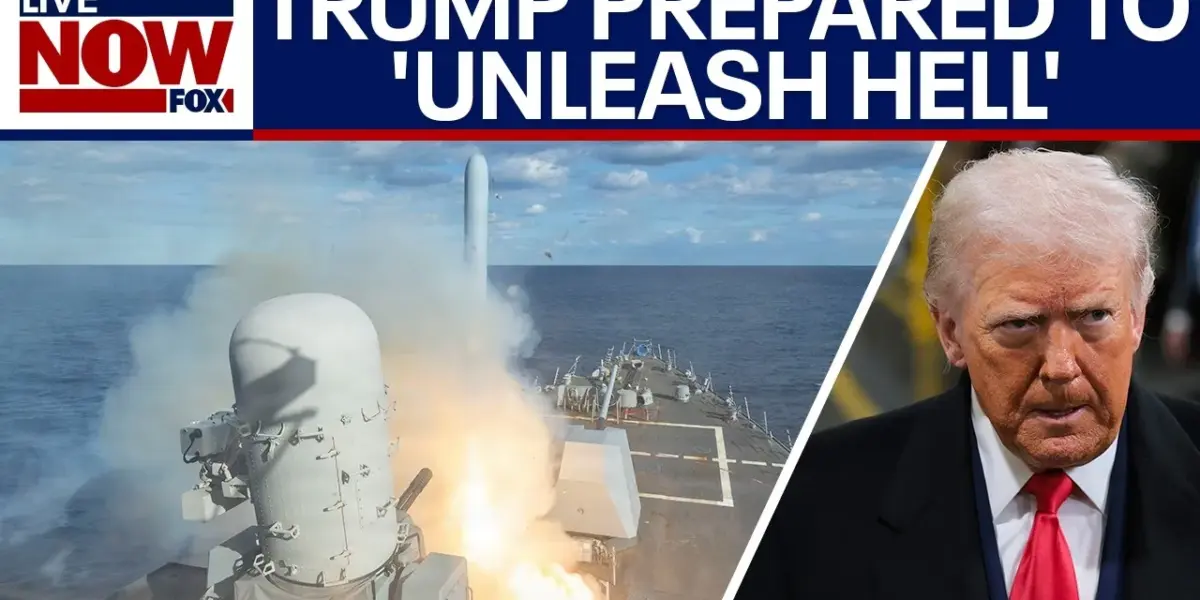
US Proposes 15-Point Peace Plan to Iran Amid Escalating Tensions
The United States has put forward a 15-point plan aimed at ending the ongoing conflict with Iran. This diplomatic initiative comes as the U.S. also prepares to deploy thousands of additional troops to the Middle East, signaling a complex and potentially escalatory phase in the regional crisis. The dual approach of offering peace while building military presence highlights the delicate balancing act U.S. officials are attempting.
Iran Expresses Skepticism Over U.S. Proposal
Sources indicate that the Iranian government views the U.S. peace plan with significant skepticism. Iran’s press TV has reported that the regime will not allow the U.S. or President Trump to dictate the terms or timing of the war’s conclusion. This suggests a deep distrust between the two nations, with Iran pushing for maximum demands, including reparations and a permanent end to hostilities.
Phil Stewart, reporting for Reuters, explained the impasse. “It looks like the Iranian government is very skeptical of the United States,” Stewart said. “Iran is pushing for kind of maximalist demands – reparations, a permanent end to the war. The US is pushing for concessions along the lines that it requested before this war began. And it doesn’t look like either side is really willing to budge at this point.”
U.S. Bolsters Military Presence in the Middle East
Alongside the diplomatic efforts, the U.S. is actively increasing its military footprint in the region. Thousands of additional troops are being sent to the Middle East, with options being explored to potentially escalate the conflict. One key area of focus is ensuring the safe transit of shipping through the Strait of Hormuz.
This could involve deploying ground forces along the strait’s shores or establishing a presence on Qeshm Island. Qeshm Island is a critical hub for approximately 90% of Iran’s oil exports, located just miles off its coast. Control or influence over this area could significantly impact Iran’s economic capabilities.
Confusion Surrounds Negotiation Channels
A significant point of confusion exists regarding who, exactly, the U.S. is negotiating with in Iran. Iranian officials claim there are no direct negotiations taking place, with messages being relayed through intermediaries. This contrasts with statements from the White House, creating uncertainty about the communication channels.
Stewart described the situation: “It’s unclear who exactly the U.S. is dealing with. The Iranians are saying there are no direct negotiations. The messages are being passed through mediators, and that is not what we’re hearing obviously from the White House.” He added, “The Iranians actually joke that perhaps President Trump is writing to himself and having a conversation with himself.”
Strategic Military Options Being Prepared
There is speculation that President Trump may be using the diplomatic process to buy time while simultaneously preparing for military escalation. The troop buildup could be seen as creating options for a ground invasion or other significant military actions.
“The president could be very possibly looking for an offramp while he builds up options militarily to escalate,” Stewart noted. “If the Iranians were to come around and accept the U.S. proposals… then perhaps he wouldn’t need to pursue these other options. But what we’re seeing… is that all of these options really are still being put into place.” The deployment of forces like the 82nd Airborne, Marines, and sailors is creating more options for securing the Strait of Hormuz and pressuring Iran’s oil industry.
War Expected to Continue Beyond Initial Timelines
The timeline for ending the war remains uncertain. Some analysts believe that actions like a move on Qeshm Island could be seen by Iran as an existential threat, potentially leading to severe blowback. The current planning by Reuters sources does not suggest a swift end to the conflict.
“The folks that Reuters is talking to don’t anticipate this war to be over in just a matter of a few days or in the next week,” Stewart reported. “So, the planning seems to go past the horizon that you’re discussing.”
Market Reacts to Ongoing Conflict and Uncertainty
Global oil prices remain elevated, hovering near $90 a barrel. This suggests that financial markets are pricing in the continuation of the war and the potential for further disruptions to energy supplies.
Stewart observed, “The markets have been really kind of jolted by these kind of simultaneous comments from the White House about negotiation on the one side and escalation on the other.” He also noted Iran’s potential to open new fronts, such as in the Bab al-Mandab Strait off the coast of Yemen, which could significantly expand the conflict and affect global energy trade.
Operation Epic Fury Continues with Significant Successes
In a separate update, Admiral Brad Cooper, commander of U.S. Central Command, provided details on Operation Epic Fury. He stated that in the fourth week of the campaign, U.S. forces have struck over 10,000 military targets in Iran, aiming to eliminate its ability to project power.
Admiral Cooper highlighted key achievements: “We’ve now destroyed 92% of the Iranian Navy’s largest vessels. They are not sailing.” He added, “Iran’s drone and missile launch rates are down by more than 90%.” Furthermore, the operation has degraded Iran’s manufacturing capabilities, with over two-thirds of its missile, drone, and naval production facilities damaged or destroyed. U.S. forces maintain air superiority, conducting over 10,000 combat flights, including high-volume strikes by B-52 bombers.
Looking Ahead: Diplomacy vs. Escalation
The coming days will be crucial in determining whether diplomatic efforts can de-escalate the situation or if the ongoing military buildup will lead to further conflict. The world watches closely to see if Iran will engage meaningfully with the U.S. peace proposal or if both sides will continue down a path of military confrontation.
Source: US offers Iran peace plan amid possible Middle East troop deployment (YouTube)

Related Articles


Israel Escalates Iran Strikes, Warns of Wider War
Israel has launched significant strikes inside Iran following continued missile fire, warning of further escalation. The conflict risks wider regional instability and economic disruption, especially concerning the Strait of Hormuz.
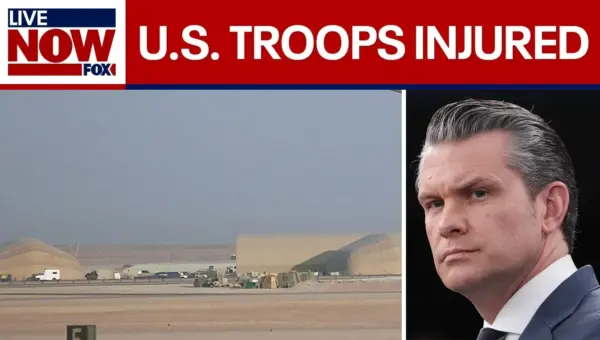
US Troops Wounded in Saudi Base Attack by Iran
An Iranian missile attack on Prince Sultan Air Base in Saudi Arabia wounded multiple U.S. service members and damaged aircraft. The incident highlights the ongoing risks in the Middle East and the limitations of air defense systems. Analysts discuss the strategic implications, economic pressures, and the isolation of Iran amidst the conflict.
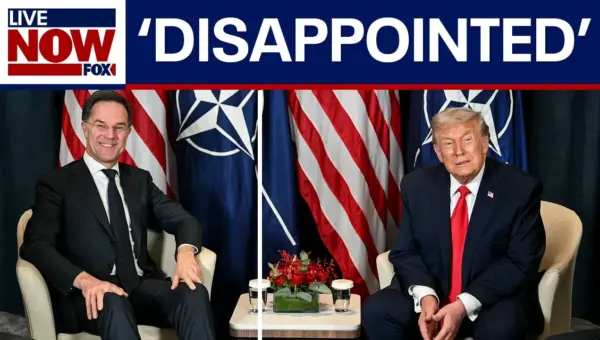
Trump Critical of NATO as Iran Conflict Escalates
President Trump voiced frustration with NATO's lack of involvement in the Iran conflict while the U.S. military prepares for a sustained campaign. Reports indicate significant damage to Iran's military, but tensions remain high with ongoing missile strikes and a recent attack on a Saudi air base wounding U.S. personnel.