US Offers Iran 15-Point Plan to End Middle East War
The United States has reportedly sent Iran a 15-point plan aimed at ending the Middle East war, proposing the dismantling of nuclear sites and curbing support for proxies. However, Iran's military has publicly dismissed the initiative, and conflicting signals emerge from the White House regarding negotiations and troop deployments. Domestically, a government shutdown continues, impacting TSA agents and highlighting deep divisions over immigration enforcement.

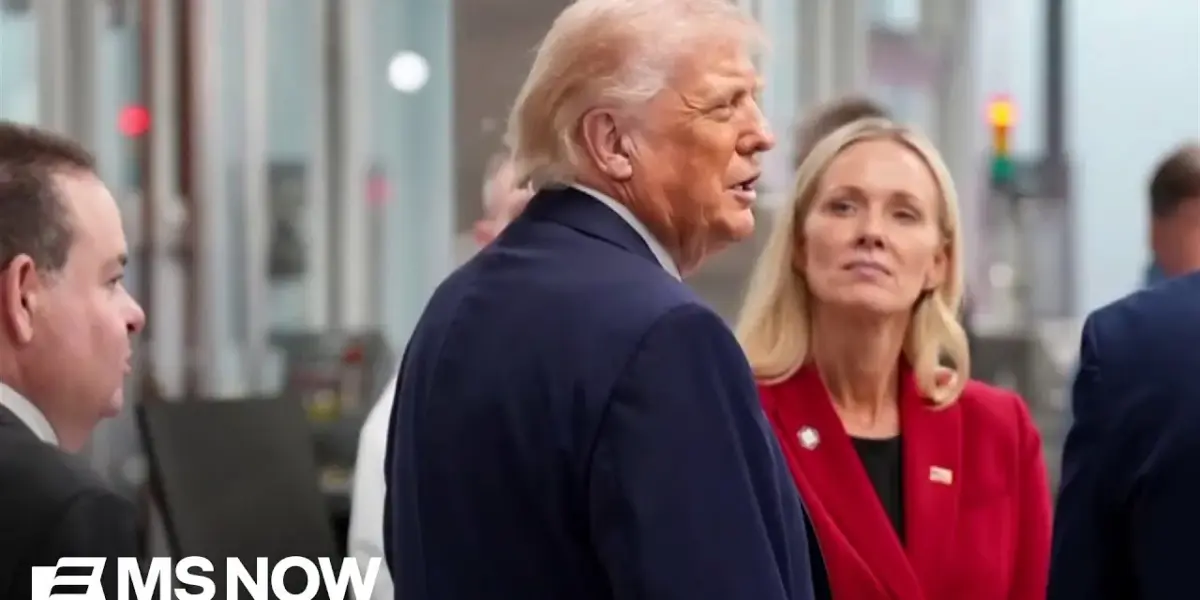
US Sends Iran 15-Point Proposal Amid Escalating Conflict
The United States has presented Iran with a 15-point plan aimed at ending the ongoing war in the Middle East. This diplomatic move comes as fighting intensifies across the region and economic consequences continue to worsen. The New York Times, citing two officials familiar with the discussions, reported that the proposal was delivered through Pakistan.
Details of the US Proposal Remain Unclear
It is currently unknown how widely the 15-point plan has been shared among Iranian officials. Furthermore, there is no clear indication whether Iran will accept the offer or if Israel supports the proposal. Officials have noted potential differences in views between the U.S. and Israeli governments on such matters.
Plan Targets Nuclear and Missile Programs, Proxies
According to The Wall Street Journal, officials have stated that the U.S. plan calls on Iran to dismantle its main nuclear facilities and halt all uranium enrichment on its soil. The proposal also reportedly demands an end to Iran’s ballistic missile activities, a reduction in support for proxy groups, and the full reopening of the Strait of Hormuz to international shipping.
Iran Dismisses Peace Efforts, Cites Internal Divisions
Shortly after the plan was reportedly sent to Iran, the country’s military appeared to dismiss the peace initiative. In a video broadcast on state television, an Iranian military spokesperson questioned the U.S. approach, asking, “Have your internal conflicts reached the point where you’re negotiating with yourselves?” The spokesperson added, “Our first and last word has been the same from day one and it will stay that way. Someone like us will never come to terms with someone like you, not now, not ever.”
President Trump Claims Negotiations, Mentions Mysterious ‘Present’
Meanwhile, President Trump claimed yesterday that negotiations were indeed taking place. He mentioned that Vice President J.D. Vance, Secretary of State Marco Rubio, Jared Kushner, and Steve Whitcoff were involved. When asked about trusting the individuals the U.S. is negotiating with, the President responded cryptically, “Why bother talking to? Because they’re going to make a deal.” He then described an event from the previous day where he received a significant “present” that was not nuclear-related but involved oil and gas, calling it a “very big present worth a tremendous amount of money.” He interpreted this gift as a sign that “we’re dealing with the right people.”
White House Offers No Clarity on ‘Present’
The White House has not commented on the nature of this alleged oil and gas-related gift. Several individuals close to the White House expressed confusion regarding the President’s remarks, according to Politico.
Conflicting Signals on Troop Deployment and Peace Talks
MSNBC White House reporter Laura Barone-Lopez highlighted the confusion surrounding the administration’s actions and statements. She noted that while the President speaks of peace deals and negotiations, reports indicate the U.S. is preparing to deploy up to 3,000 troops from the 82nd Airborne division to the Middle East. This apparent contradiction—talking peace while building up military presence—raises questions about the true intentions and the proximity to an actual resolution.
Domestic Political Impasse: Government Shutdown and TSA Impact
The report also touched upon the ongoing domestic political struggles, specifically the government shutdown affecting agencies like the Transportation Security Administration (TSA). TSA agents are reportedly facing missed paychecks, and lawmakers are still trying to reach an agreement to reopen the Department of Homeland Security (DHS). Senate Republicans proposed a bill to fund most of DHS, excluding certain immigration enforcement aspects. However, Democrats argued that the offer lacked sufficient new restrictions on Immigration and Customs Enforcement (ICE), a key demand for their support. This impasse has led to approximately 460 TSA officers quitting since the funding dispute began, with many feeling caught in a political tug-of-war.
President’s Role in Domestic Stalemate
President Trump’s stance has been cited as a factor in the stalled negotiations over DHS funding. Reports suggest that even when a potential deal seemed close on Capitol Hill, the President’s intervention created further doubt and confusion. The White House’s position on ICE and DHS funding is seen as complicated by the President’s focus on mass deportations, despite potential public pressure related to the shutdown’s impact.
Debate Over Immigration Enforcement and Guardrails
A key point of contention in the DHS funding debate is the lack of new guardrails for ICE operations. Democrats have been pushing for such measures, especially after the administration, through officials like Secretary Mayorkas, suggested adherence to judicial warrants. The question remains whether the White House, under pressure from figures like Stephen Miller and Tom Homan, will implement stricter parameters around ICE’s approach, particularly concerning the targeting of individuals without criminal histories or even ‘Dreamers.’ Despite potential shifts in tactics, the administration appears committed to aggressive deportation efforts.
Looking Ahead: Diplomacy and Domestic Challenges
The coming days will be crucial in determining whether the U.S. diplomatic efforts in the Middle East yield any tangible results or if Iran’s dismissive stance continues. Simultaneously, the domestic political landscape remains fraught with challenges, particularly concerning the government shutdown and the future of immigration enforcement policies. The conflicting signals from the White House on both fronts suggest a period of continued uncertainty.
Source: U.S. sends Iran 15-point plan to end war: Report (YouTube)

Related Articles
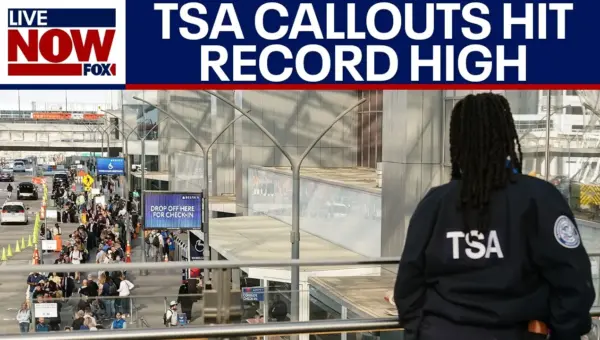
TSA Workers Get Paid After Record Absences
TSA agents will finally receive paychecks after working nearly six weeks without salary, following a directive from President Trump. Record high absences had strained airport operations and caused significant passenger delays. The situation has sparked calls for better protections for essential workers during government shutdowns.
Rubio: US Can Achieve Iran War Goals Without Troops
Senator Marco Rubio outlined a strategy to counter Iran without deploying U.S. ground troops, focusing on weakening the regime and enhancing maritime security. He also criticized Cuba's economic system and expressed concerns about West Bank violence.

House Republicans Reject Senate Deal, Sparking Government Funding Clash
House Republicans have rejected a Senate bill to end the government shutdown, citing insufficient border security measures. Congressman Randy Fine called the Senate deal a "disgrace" and highlighted the ongoing fight for full government funding. President Trump's executive order to pay TSA agents offers temporary relief, but the core disagreement over border security continues to paralyze Washington.