US Offers Iran 15-Point Peace Plan Amid Rising Tensions
The Trump administration has reportedly offered Iran a 15-point plan aimed at de-escalating tensions and establishing a ceasefire. Leaked details suggest demands include dismantling Iran's nuclear capabilities and ending support for regional proxies, in exchange for lifting sanctions and other concessions. Diplomatic talks are said to be underway, following a recent ultimatum regarding the Strait of Hormuz.

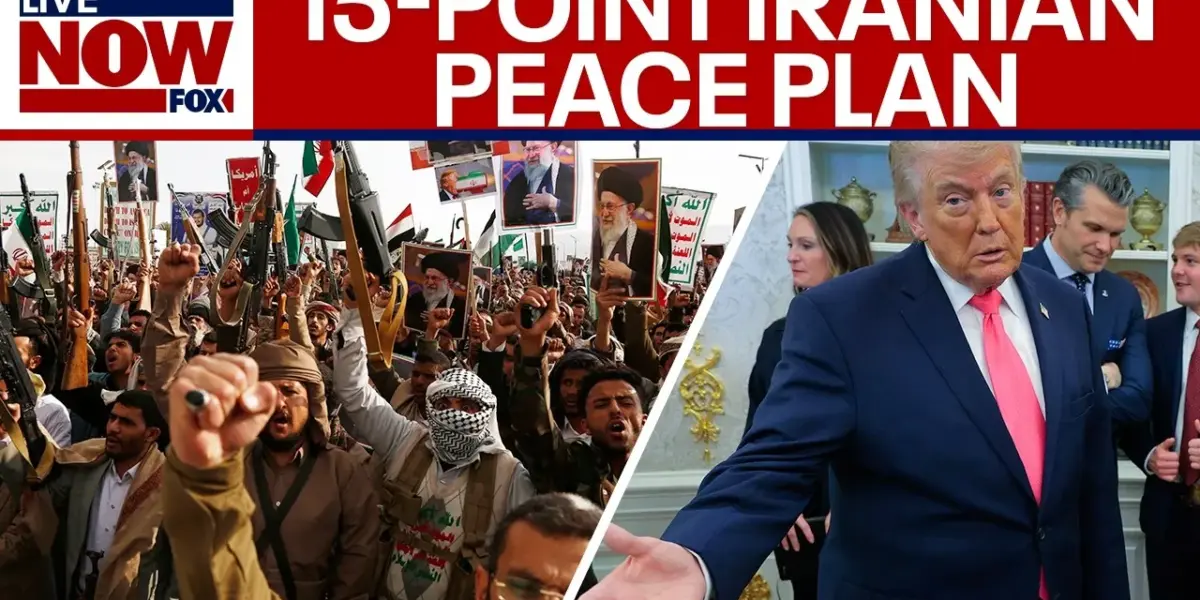
US Proposes Ceasefire Framework to Iran
Reports indicate the Trump administration has presented Iran with a 15-point plan aimed at ending current conflicts and establishing a new framework for peace. While not officially confirmed, details leaked from various regional media outlets suggest the proposal outlines significant demands from Iran in exchange for potential concessions from the United States.
Key Demands from Iran
The core of the U.S. proposal, as reported, focuses on Iran’s nuclear program, its regional proxies, and its ballistic missile capabilities. According to leaks, the plan demands Iran dismantle all existing nuclear facilities and cease all uranium enrichment. Furthermore, it calls for all enriched uranium to be removed from the country and placed under the supervision of the International Atomic Energy Agency (IAEA). The plan also reportedly insists that Iran abandon its support for regional proxies such as Hezbollah, the Houthis, and militias in Iraq, and cease arming and funding them. Regarding ballistic missiles, the proposal suggests limitations on future development, stating that any programs should be solely for self-defense. Lastly, a crucial point is the demand that the Strait of Hormuz remain an open and free maritime zone, never to be blocked.
What Iran Stands to Gain
In return for these concessions, the reported plan includes three significant benefits for Iran. First, all U.S. sanctions currently imposed on Iran would be lifted. This is seen as a major incentive, given the widespread economic impact of these sanctions across various sectors, including trade and the designation of the Revolutionary Guards as a terror organization. Second, Iran would reportedly receive assistance in developing civilian nuclear programs, specifically in areas like Bushehr, while dismantling facilities in other locations. Perhaps most critically, the plan proposes the elimination of the “snapback mechanism.” This mechanism, part of the 2015 nuclear deal, allowed for the automatic reimposition of sanctions if Iran violated the agreement. Its removal would mean no automatic return to sanctions, a significant shift that could embolden Iran.
A Framework, Not a Detailed Plan
Experts suggest that the reported 15-point proposal functions more as a negotiating framework than a concrete plan. The specifics of how Iran would abandon its proxies or what limitations on its missile program truly entail remain vague. For instance, Iran already claims its missile programs are for self-defense, making the proposed limitation unclear. The lack of detail raises questions about enforceability and the practical steps involved in meeting these demands. The proposal also notably omits any mention of protesters, regime change, or human rights within Iran, issues that have been focal points in past U.S. policy discussions.
Diplomatic Channels Open Amidst Uncertainty
Despite public denials from Iran, reports suggest that talks between U.S. and Iranian officials have begun. The breakthrough reportedly occurred when Iran’s Foreign Minister, acting with the authority of the Supreme Leader, initiated contact with U.S. officials. This direct communication is seen as a critical step, ensuring that any agreements reached could be binding within Iran. While the exact nature of these discussions and the specific individuals involved are still unfolding, the U.S. appears to have established a channel for communication, which is viewed as bearing some fruit. President Trump has alluded to receiving a “significant prize” related to the Strait of Hormuz, hinting at progress in these sensitive negotiations.
The Ultimatum and its Aftermath
The current diplomatic push follows a tense 48-hour deadline set by President Trump, demanding Iran open the Strait of Hormuz or face potential strikes on its power plants and infrastructure. Iran did not back down, instead displaying its missile capabilities targeting Gulf nations. However, this standoff appears to have paved the way for negotiations. While both sides offer different narratives—the U.S. viewing the ultimatum as successful in bringing Iran to the table, and Iran seeing it as a sign of U.S. apprehension—the outcome was a move toward dialogue rather than immediate escalation.
Geopolitical Hotspots and War of Attrition
Geographically, the conflict zones remain concentrated. Israel and the U.S. continue strikes against Iranian targets and Hezbollah in Lebanon, particularly near Iran’s nuclear facilities. Iran’s retaliations, primarily through missiles and drones, have largely focused on the Persian Gulf, targeting ships and infrastructure in the United Arab Emirates, Qatar, and Bahrain. This pattern suggests a war of attrition, with both sides repeatedly striking known weak points rather than seeking a decisive blow. The situation remains volatile, with ongoing strikes and retaliations continuing to define the conflict.
Supreme Leader’s Status and Iran’s Strategy
Speculation continues regarding the health and public appearances of Iran’s Supreme Leader. While official statements confirm his survival and non-critical injuries, his absence from public view is attributed to several factors. These include potential physical limitations from his injuries, security concerns amid assassination threats, and a strategic choice to cultivate an aura of mystery. This ambiguity, experts suggest, adds to the confusion among rivals and the Iranian public alike, serving as a tactic in the ongoing struggle for control and stability within the regime.
Looking Ahead
The coming weeks will be crucial in determining the fate of this proposed peace framework. Whether Iran accepts the demands, how the U.S. adjusts its position, and the extent to which diplomatic channels remain open will shape the future of Middle East stability. The world watches closely to see if this 15-point plan can indeed lead to a lasting ceasefire or if further escalation remains a distinct possibility.
Source: Middle East update: Trump admin offers 15-point ceasefire plan to Iran (YouTube)

Related Articles
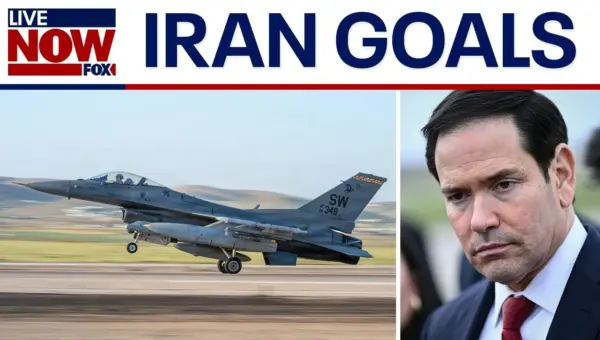
Rubio: US Can Achieve Iran War Goals Without Troops
Senator Marco Rubio outlined a strategy to counter Iran without deploying U.S. ground troops, focusing on weakening the regime and enhancing maritime security. He also criticized Cuba's economic system and expressed concerns about West Bank violence.


Israel Escalates Iran Strikes, Warns of Wider War
Israel has launched significant strikes inside Iran following continued missile fire, warning of further escalation. The conflict risks wider regional instability and economic disruption, especially concerning the Strait of Hormuz.
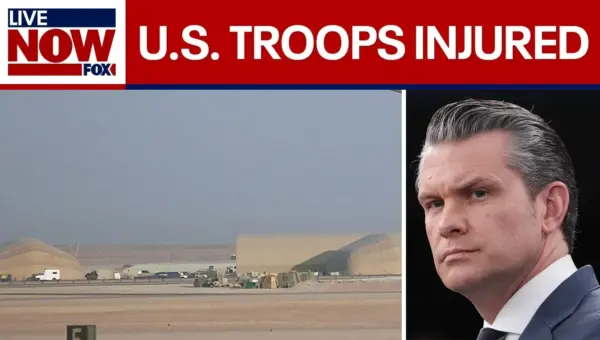
US Troops Wounded in Saudi Base Attack by Iran
An Iranian missile attack on Prince Sultan Air Base in Saudi Arabia wounded multiple U.S. service members and damaged aircraft. The incident highlights the ongoing risks in the Middle East and the limitations of air defense systems. Analysts discuss the strategic implications, economic pressures, and the isolation of Iran amidst the conflict.