US Offers Iran 10-Day Deal Pause Amid Escalating Attacks
The US has offered Iran a 10-day pause on strikes against its energy sites, signaling ongoing behind-the-scenes talks despite public denials. This diplomatic effort occurs amid escalating attacks between Iran and Israel, and Iran's actions affecting Gulf states, highlighting a critical geopolitical moment.

US Offers Iran 10-Day Deal Pause Amid Escalating Attacks
The United States has extended a deadline for pausing strikes on Iran’s energy sites by 10 days, with President Trump stating that Iran is seeking a deal. This move comes as Iran and Israel exchange fire, with the Israeli Defense Forces (IDF) reporting strikes in Tehran. Iranian drones and missiles have also been reportedly seen in Kuwait and the United Arab Emirates (UAE), raising regional tensions.
Behind the Scenes Diplomacy
While Iranian leaders publicly deny ongoing negotiations, mediators in Pakistan, Turkey, and Egypt suggest that messages are being exchanged between Washington and Tehran. The White House has presented a 15-point proposal that Iran can either accept or negotiate further. This diplomatic effort is the reason behind the extended pause on strikes, allowing more time for these sensitive conversations to unfold.
“As per Iranian government request, please let the statement serve to represent that I’m pausing the period of energy plant destruction by 10 days to Monday, April 6. Talks are ongoing and despite statements being made in the media, they are going very well,” stated President Trump.
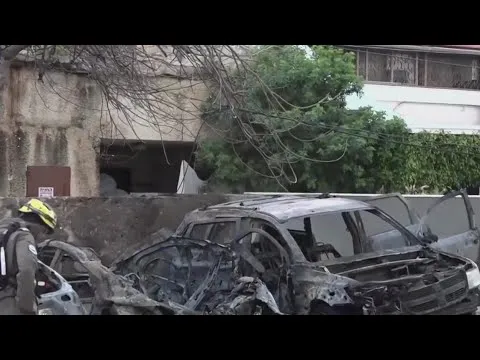
However, this diplomatic breathing room does not mean the fighting has stopped. In the last 24 hours, Saudi Arabia, Bahrain, Jordan, and the UAE have reported attacks from Iran. Israel has also experienced over a dozen alerts, with rescue workers seen clearing debris from strikes. The IDF has accused Iran of targeting civilian sites and stated its intention to escalate strikes against targets that help Iran build weapons.
US Focus and Iranian Warnings
U.S. Central Command’s focus has been on Iran’s ballistic missile and drone launch capabilities. New footage of American strikes targeting these capabilities has been released. Meanwhile, the Iranian Revolutionary Guard (IRGC) has warned civilians in the Middle East to avoid areas where U.S. service members may be present, deeming them legitimate targets.
European Diplomatic Efforts
In Europe, Secretary of State Marco Rubio is leading a delegation of G7 foreign ministers. President Trump has expressed disappointment with some European allies for not assisting more with operations in the Middle East, particularly concerning the Strait of Hormuz. Rubio’s task is to discuss these operations with European counterparts.
Over 20 nations, including Gulf states and European members, have agreed to help reopen the Strait of Hormuz. However, their specific roles and the extent of their involvement remain unclear. The IRGC has reiterated that the Strait of Hormuz is closed unless its conditions are met, highlighting this as a major flashpoint.
Global Impact
The ongoing conflict and diplomatic maneuvering around the Strait of Hormuz have significant global implications. This vital waterway is crucial for the world’s oil supply. Any disruption can lead to higher energy prices worldwide, affecting economies and consumers. The involvement of multiple international actors, from the US and European nations to various Gulf states, shows the broad impact of this regional tension. The potential for escalation, even as talks occur, creates uncertainty for global trade and security. The situation highlights the complex web of alliances and rivalries in the Middle East and their far-reaching consequences.
Historical Context
Tensions between Iran and the United States, along with its allies like Israel and Saudi Arabia, have a long history. The current situation echoes past standoffs over Iran’s nuclear program and its regional influence. The Strait of Hormuz has historically been a point of contention, with Iran previously threatening to close it. International efforts to ensure freedom of navigation in such strategic waterways are not new, often involving multinational coalitions, as seen with past naval operations.
Economic Leverage
Economic factors are central to this conflict. Iran’s energy sites are targets, directly impacting its oil exports, a key source of revenue. Sanctions imposed by the US and allies aim to pressure Iran economically. Conversely, Iran’s ability to threaten or disrupt oil shipping through the Strait of Hormuz provides it with significant economic leverage. The international community’s efforts to keep the strait open are driven by the need to maintain stable energy markets and prevent economic shocks.
Future Scenarios
Several future scenarios are possible. One is that diplomacy succeeds, leading to a de-escalation and a potential deal that addresses some of Iran’s concerns and regional security issues. Another scenario involves continued fighting, with increased strikes and potential for wider conflict, especially if the Strait of Hormuz is significantly disrupted. A third possibility is a prolonged period of high tension with intermittent clashes, where diplomatic efforts stall but direct large-scale war is avoided.
Source: Israel threatens to 'escalate and expand' attacks on Iran | NewsNation Live (YouTube)

Related Articles
Pentagon Weighs 10,000 Troops for Iran Showdown
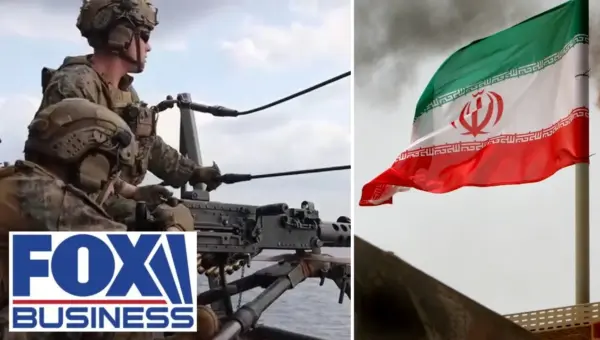
The Pentagon is reportedly weighing a significant troop increase of 10,000 soldiers to the Middle East, potentially escalating tensions with Iran. This move comes amid reports of U.S. precision strikes and interceptions of Iranian missiles by allies, raising concerns about regional stability and global oil supplies.


Asia Faces Oil Shortages as Middle East War Disrupts Global Energy
A war in the Middle East has triggered widespread oil and gas shortages across Asia, leading to protests, rationing, and long fuel lines. The crisis, described as the largest supply disruption in history, is forcing governments to take drastic measures and is creating economic strain throughout the continent. Analysts are closely watching the Strait of Hormuz and diplomatic efforts to ease the energy emergency.

Iran Strikes US Base: Are We Learning from Mistakes?
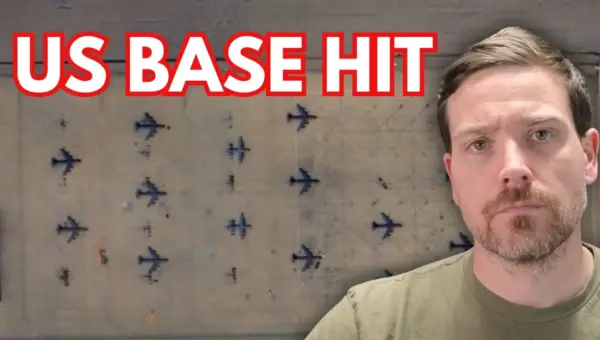
A recent Iranian drone and missile attack wounded American service members and damaged aircraft in Saudi Arabia. This incident highlights concerns about military preparedness and the failure to learn from past mistakes, as exposed aircraft remain vulnerable targets. The ongoing conflict involves complex regional dynamics, including Iran's missile capabilities and the potential involvement of groups like the Houthis, raising questions about future stability.