US Nears Iran Victory, Offers Regime Escape Route
The US is considering winding down Operation Epic Fury in Iran, aiming to provide an exit route for the regime to end its support for terrorism. Experts view the operation as a military success, but strategic goals remain. Allies are urged to increase involvement in securing vital shipping lanes.


US Nears Iran Victory, Offers Regime Escape Route
President Trump’s administration is signaling a potential shift in its military engagement in Iran, with discussions underway to “wind down” Operation Epic Fury. This move, according to officials, suggests the US is nearing its objectives and aims to provide an opportunity for the Iranian regime to cease its support for terrorism.
What Does ‘Winding Down’ Mean?
For the US, a military “wind down” in this context likely involves a reduction in operations. The goal is to see if Iran will stop its terrorist attacks against allies like Israel. This approach is described as offering the Iranian regime a way out of its current destructive path, following what are called “enormously effective strikes” by the US and its Israeli allies.
Operation Epic Fury: A Success So Far?
Experts suggest that Operation Epic Fury has been a significant military success. The US has deployed substantial naval and air assets, including carrier task forces, Marines, and specialized aircraft like the A-10 Warthogs and AH-64 Apaches. These forces are intended to monitor crucial waterways like the Strait of Hormuz and address any lingering issues.
While the military objectives appear to be met, the strategic aim of achieving political change within Iran remains uncertain. Some speculate that President Trump may have further plans to influence Iran’s future.
Allies’ Role and Support
President Trump has been vocal about the need for NATO allies to increase their involvement. The UK’s decision to allow the US to use its bases for strikes targeting the Strait of Hormuz is seen as a significant step, marking a welcome, though perhaps late, contribution. Historically, the British have been crucial allies, and their assets, even if reduced, are still valuable.
The reliance of many nations, including European and Asian allies, on oil passing through the Strait of Hormuz means they have a vested interest in its security. While the US is less dependent on this oil, disruptions still carry an economic cost. The call for allies to “step up” is aimed at sharing the burden of confronting shared adversaries like Russia, China, North Korea, and Iran.
Securing the Strait of Hormuz
Ensuring safe passage through the Strait of Hormuz requires a robust international effort. Recommendations include maintaining a significant naval presence, with destroyers, mine-clearing ships, and carrier air support. Counter-drone capabilities are also highlighted as essential, given Iran’s potential use of such weapons.
The US has been actively using low-flying jets to intercept Iranian drones and small boats targeting commercial shipping. This action, while effective, has coincided with rising global oil prices. President Trump has stated that the US military has neutralized threats, preventing Iran from effectively disrupting shipping lanes.
Economic Pressures and Global Impact
Rising oil prices are a key motivator for allies to become more involved. While the US is not as dependent on regional oil, the economic impact on consumers and political pressure on leaders are undeniable. The situation in the Strait of Hormuz is not new; it has been a persistent problem dating back to the Reagan administration.
Addressing this issue now, rather than letting it fester, is seen as a wise move. Iran’s internal struggles, including water shortages and economic difficulties, suggest the current regime may not have long to survive. There is hope for freedom for the Iranian people in the near future.
The China Connection
The US operations in Iran also fit into a broader geopolitical picture, particularly concerning China. Iran and China have a strategic relationship, with China reportedly providing technology and closely observing US military capabilities. As the US shifts its focus towards countering China’s growing influence, particularly in the Pacific, resolving issues in the Middle East efficiently is crucial.
President Trump’s intention to “put this in his rear view mirror” before engaging with China suggests a desire to approach that critical relationship from a position of strength. China’s interests, such as Taiwan, are well-known, and the US is working to ensure its military readiness, including speeding up weapons production, to address potential future conflicts.
A Shift in Global Power Dynamics
The US military’s effective actions, supported by allies like Israel and Gulf nations, have significantly impacted Iran, a long-standing adversary. This outcome is likely being closely watched by leaders in China and Russia. The US has also increased arms sales to Taiwan, reflecting the complex web of global security concerns.
Why This Matters
The potential winding down of Operation Epic Fury signifies a strategic shift, moving from direct military engagement to a phase of deterrence and international burden-sharing. It highlights the complex interplay of regional security, global economics, and great power competition. By offering Iran an “exit ramp,” the US aims to achieve its objectives without prolonged conflict, while simultaneously freeing up resources to address emerging threats, particularly from China.
This approach also puts pressure on allies to step up their commitment to regional stability, especially concerning vital trade routes like the Strait of Hormuz. The rising oil prices serve as a stark reminder of the global economic stakes involved. Ultimately, the success of this strategy could reshape regional dynamics and influence the balance of power on the world stage.
The historical context of challenges in the Strait of Hormuz shows that this is a long-standing issue. Resolving it now, as Iran faces internal pressures, could prevent future escalation and instability. The focus on countering China adds another layer, suggesting that US foreign policy is increasingly prioritizing a multi-front approach to security.
Future Outlook
The coming weeks and months will be critical in observing how Iran responds to this pressure and whether allies fully embrace their roles in maintaining maritime security. The long-term implications for regional stability and the broader geopolitical landscape, especially regarding US-China relations, will unfold as these strategies are implemented.
The hope remains that this approach will lead to a reduction in terrorism sponsored by Iran and pave the way for greater freedom and stability within Iran itself.
Source: 'Winding Down' in Iran Would Mean Reducing Operations, Giving Regime Exit Route to End Terrorism (YouTube)

Related Articles


Stocks Ignore War Risks, Focus on “Taco Moments”
Stock markets appear to be overlooking the severe supply chain risks stemming from the Iran conflict, focusing instead on potential diplomatic de-escalations. While the S&P 500 shows resilience, bond and commodity markets signal deep concern over disruptions to critical resources like LNG, helium, and fertilizers.

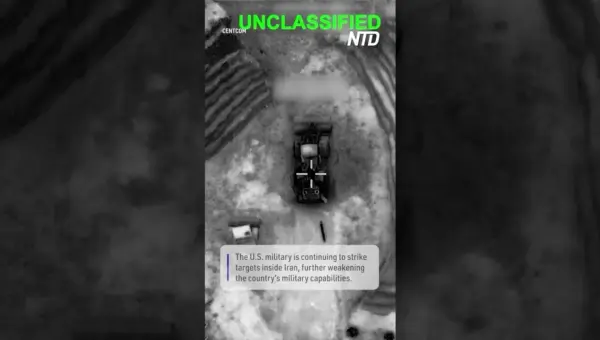
US Strikes Cripple Iran’s Military Might, CENTCOM Reports
U.S. Central Command reports ongoing strikes inside Iran are significantly weakening its military power. This direct action aims to reshape regional security dynamics, but carries risks of escalation. The long-term impact depends on Iran's response and ability to adapt.

U.S. Iran Tensions Rise Amid Shifting Alliances
Rising tensions between the U.S. and Iran are creating a volatile geopolitical situation. With conflicting signals on de-escalation and potential shifts in alliances like NATO and U.S.-Israel relations, the path forward remains uncertain. The global economy and regional stability hang in the balance.