US Navy Strikes Iran Amid Operation Epic Fury
The USS Abraham Lincoln carrier strike group has reportedly conducted fighter jet strikes against Iranian assets as part of Operation Epic Fury. The actions aim to counter threats in the Strait of Hormuz amid escalating U.S. pressure on Iran.

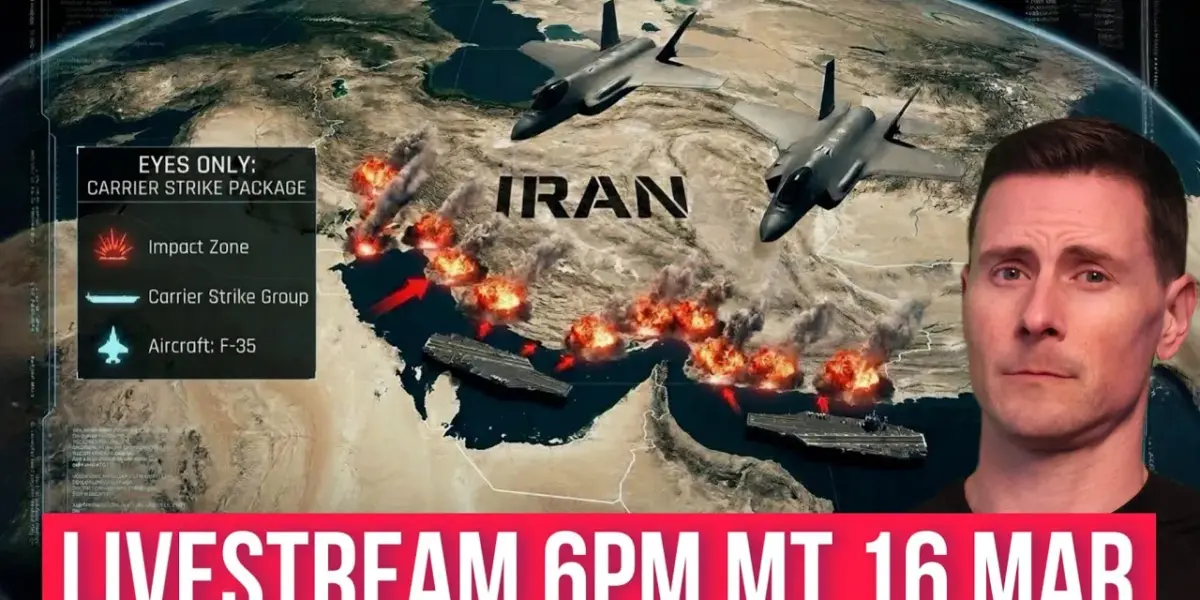
US Navy Strikes Iran Amid Escalating Tensions
The USS Abraham Lincoln carrier strike group has reportedly conducted fighter jet strikes against Iranian assets, marking a significant escalation in the ongoing Operation Epic Fury. The strikes, aimed at crushing regime capabilities and countering perceived threats in the Strait of Hormuz, underscore the heightened military posture in the region. This development comes amid increasing pressure from the United States, with reports indicating President Trump has demanded Iranian capitulation.
Dominant Airpower and Iranian Response
The reported strikes highlight the projection of U.S. and Israeli airpower in the operational theater. The involvement of the USS Abraham Lincoln, a Nimitz-class aircraft carrier, signifies a substantial commitment of naval air assets. Fighter jets launched from the carrier would have been tasked with precision strikes against designated targets, aiming to degrade Iran’s military infrastructure and its capacity to disrupt maritime traffic. The Strait of Hormuz, a critical chokepoint for global oil transport, remains a focal point of strategic concern, making any threat to its security a matter of international import.
In response to these actions, Iranian rhetoric has reportedly grown more desperate, signaling a state of heightened alert and concern within Tehran. The nature of the Iranian response, whether diplomatic, military, or asymmetric, remains a critical factor in assessing the trajectory of the conflict.
Strategic Context: The Strait of Hormuz
The Strait of Hormuz is a narrow waterway connecting the Persian Gulf to the Gulf of Oman. Approximately 20% of the world’s total oil consumption passes through this vital maritime artery. Control or significant disruption of traffic in the Strait can have immediate and severe consequences for global energy markets and international trade. The U.S. Navy’s consistent presence and operational tempo in this region are designed to ensure freedom of navigation and deter any state or non-state actor from threatening this critical passage. The reported strikes by the USS Abraham Lincoln directly address this strategic imperative.
Operation Epic Fury: A Military Assessment
While specific details of Operation Epic Fury remain limited due to the classified nature of military operations, the name suggests a large-scale, potentially multi-domain offensive or defensive campaign. The mention of “crushing regime assets” indicates a focus on degrading the opponent’s military hardware, command and control, and logistical capabilities. Such operations often involve coordinated efforts across air, sea, and potentially land and cyber domains, aiming for decisive impact.
Historical Parallels
The current situation evokes historical precedents where naval power projection has been a key element in regional security dynamics. The U.S. Navy’s role in maintaining the flow of commerce and deterring aggression in critical maritime zones has been a consistent feature of its global strategy. Operations involving carrier strike groups are designed to provide a flexible and potent response capability, capable of striking targets far inland while maintaining a secure operational base at sea.
Weapon Systems and Tactical Concepts
The deployment of fighter jets from the USS Abraham Lincoln implies the use of advanced naval aviation assets. Aircraft such as the F/A-18E/F Super Hornet, standard on U.S. Navy carriers, are capable of performing a wide range of missions, including air-to-ground strikes, air-to-air combat, and reconnaissance. The term “fighter jet strikes” suggests precision-guided munitions would have been employed to minimize collateral damage and maximize the effectiveness against designated targets. The concept of “countering threats” in a maritime environment involves a combination of surveillance, interdiction, and, when necessary, direct action to neutralize hostile capabilities.
Geopolitical Implications
The escalation of military activity in the Persian Gulf region has significant geopolitical ramifications. It impacts regional stability, international energy prices, and the broader diplomatic landscape. The involvement of the U.S. and potentially its allies, such as Israel, in operations against Iran signals a coordinated approach to regional security challenges. Such actions can influence alliances, reshape regional power dynamics, and necessitate diplomatic engagement to de-escalate tensions and prevent wider conflict.
Conclusion
The reported strikes by the USS Abraham Lincoln represent a serious development in the ongoing tensions in the Persian Gulf. The strategic importance of the Strait of Hormuz, coupled with the demonstrated U.S. willingness to employ significant military force, underscores the gravity of the situation. The international community will be closely monitoring the responses from all parties involved and the potential impact on regional and global stability.
Source: U.S. NAVY Unleashes Hell on Iran LIVESTREAM | 6pm MT 16 March (YouTube)

Related Articles


U.S. Iran Tensions Rise Amid Shifting Alliances
Rising tensions between the U.S. and Iran are creating a volatile geopolitical situation. With conflicting signals on de-escalation and potential shifts in alliances like NATO and U.S.-Israel relations, the path forward remains uncertain. The global economy and regional stability hang in the balance.


Iran Targets US With Cyberattacks, Escalating Digital Warfare
Iran is increasingly using cyberattacks to challenge the U.S., as seen in a recent hack of the FBI director's account. Experts say this is a strategic shift due to Iran's limitations in conventional warfare. The U.S. needs to strengthen its digital defenses, focusing on encryption and cloud computing, rather than solely relying on traditional security measures.


Iran Hacks FBI Chief, Exposing U.S. Cyber Vulnerabilities
A recent hack of FBI Director Kash Patel's personal email by an Iran-linked group highlights Iran's growing cyber threat to the U.S. Experts explain how simple security oversights are exploited, emphasizing the need for basic defenses like two-factor authentication to protect against propaganda and potential infrastructure attacks.