US Navy Faces Crises Amidst Tensions with Iran
The U.S. Navy is reportedly grappling with low morale and equipment failures, particularly on the USS Gerald R. Ford, amidst heightened tensions with Iran. Reports of potential sabotage and diplomatic isolation raise concerns about U.S. military readiness and foreign policy effectiveness.

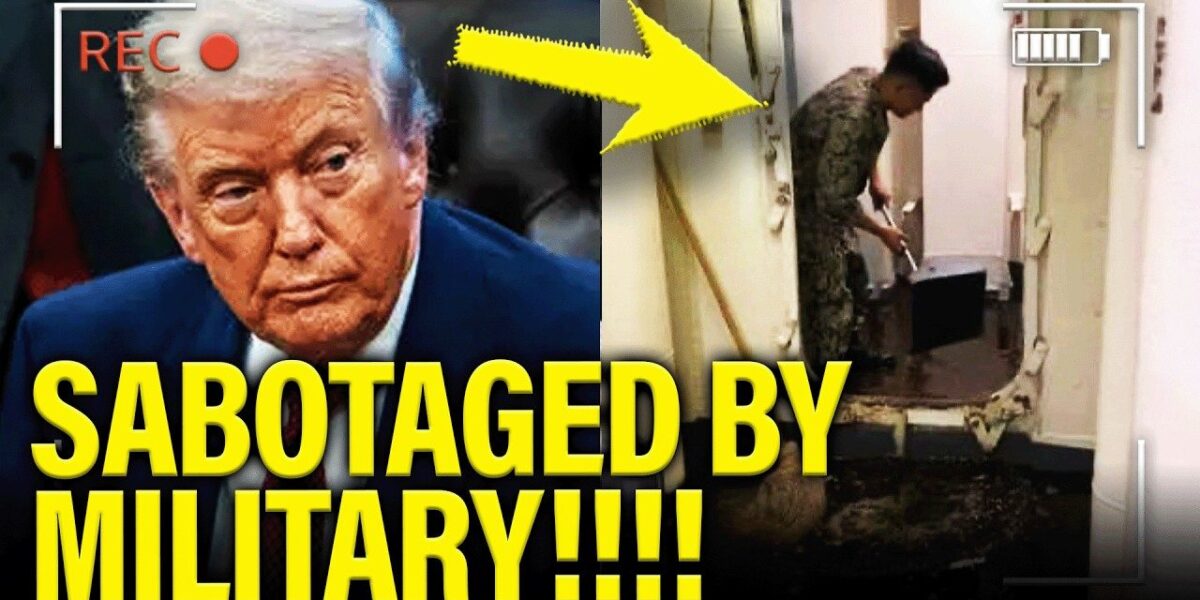
Navy Grapples with Morale, Equipment Failures Amidst Geopolitical Tensions
The U.S. Navy is reportedly facing significant internal challenges, including plummeting morale and persistent equipment malfunctions, as geopolitical tensions escalate in the Middle East. Reports suggest that the prolonged deployment of the USS Gerald R. Ford aircraft carrier, coupled with potential strategic missteps, is contributing to a crisis of confidence within the ranks and complicating U.S. foreign policy objectives, particularly concerning Iran.
USS Gerald R. Ford: A $13 Billion Vessel Under Strain
The USS Gerald R. Ford, a state-of-the-art $13 billion aircraft carrier, has been at sea for an extended period, reportedly over 242 days, with its deployment extended twice. This lengthy mission has taken a significant toll on its crew and, according to some reports, its operational readiness. The vessel recently made an unscheduled stop in Greece to address critical issues with its vacuum-based sewage system. The Wall Street Journal reported on the strains faced by sailors, detailing problems such as clogged toilets, sewage overflows, and a system that requires near-daily maintenance. These issues have led to widespread discontent, with some crew members reportedly expressing a desire to leave the Navy, a sentiment described by defense journalists as reminiscent of the Vietnam era.
“Miss funerals and block toilets. Iran deployment takes a toll on US sailors,” the Wall Street Journal reported, highlighting the human cost of these extended deployments. The issues with the sewage system, characterized by recurring breakdowns and blockages, have rendered a significant number of the ship’s 650 toilets unusable at times, leading to long queues and frustration among the more than 4,500 crew members.
Allegations of Intentional Sabotage
Amidst the reports of systemic failures, speculation has arisen about the possibility of intentional sabotage. Some sources, including former Colonel McGregor, claim that naval insiders have indicated that crew members may be deliberately clogging toilets by stuffing socks and t-shirts down them. The motive, according to these reports, is to prevent further extensions of their deployment, particularly in the context of potential military action against Iran. While Navy leadership has denied these claims, the persistent rumors underscore the depth of dissatisfaction onboard.
Diplomatic Standoff with Iran
These internal naval issues come at a critical juncture in U.S.-Iran relations. The U.S. has reportedly demanded that Iran dismantle three main nuclear sites and transfer its remaining enriched uranium. However, Iran has vehemently rejected these demands, refusing to halt enrichment, dismantle facilities, or transfer stockpiles. Talks in Geneva reportedly yielded no progress, with Iran asserting its right to its nuclear program and ballistic missile development.
The perception of a weakened or internally conflicted U.S. military could embolden Iran. As one commentator noted, “Iran sees what’s happening. Iran sees that the plumbing in in Trump’s military doesn’t even work. the sewage system is destroyed.” This perception could influence Iran’s negotiating stance and its willingness to comply with international demands.
Broader Foreign Policy Concerns and Ally Relations
The situation is further complicated by strained relations with traditional U.S. allies in the Middle East. Statements made by Mike Huckabee, the U.S. ambassador to Israel, suggesting that God granted Israel all the land of the Middle East, have reportedly alienated several Arab nations. These nations are now reportedly hesitant to grant the U.S. access to military bases or airspace for operations against Iran, particularly if such operations are perceived as being led by the U.S. and Israel.
This isolation exacerbates another critical concern: the U.S. military’s capacity for sustained operations. According to reporting in The New York Times, U.S. officials believe the Pentagon may not possess the necessary forces or munitions for an extended bombing campaign against Iran. Current estimates suggest the U.S. military position in the region could sustain strikes for only 7 to 10 days without significant reinforcement or allied support, which appears to be lacking.
Internal Military Operations and Inter-Agency Conflicts
Beyond the Middle East, internal military operations have also raised questions. Recent incidents involving the use of military lasers to intercept drones near the U.S. border in El Paso, Texas, have sparked concerns about safety and inter-agency coordination. The U.S. military reportedly shot down a Border Protection drone, raising alarms about the potential for accidental downing of commercial aircraft. This incident has led to speculation about turf battles between agencies and the potential for dangerous miscalculations within U.S. defense operations.
Environmental Policy Rollbacks and Health Impacts
The article also touches upon the Trump administration’s rollback of environmental regulations, specifically the withdrawal of the endangerment finding for greenhouse gases. Analysis from the Harvard Chan School of Public Health suggests this decision could lead to increased fine particulate pollution from fossil fuel burning, with adverse health consequences such as higher risks of asthma, chronic heart and lung disease, and premature death, particularly in vulnerable communities. This is framed as a contradiction to promises of improved public health.
Regional Instability: Pakistan-Afghanistan Conflict
Adding to the complex geopolitical landscape, a new conflict has erupted between Pakistan and Afghanistan. Pakistan has declared a state of war with Afghanistan, accusing the Taliban of becoming an Indian colony and launching strikes on Kabul. This development further destabilizes the region and raises concerns about potential escalation, including a possible conflict between Pakistan and India.
Conclusion: A Calculated Risk or Unintended Consequences?
The confluence of internal military disarray, strained international relations, and escalating regional conflicts presents a precarious situation. The alleged sabotage on the USS Gerald R. Ford, combined with the lack of allied support and concerns about military capacity, raises questions about the viability and wisdom of potential military action. The broader implications of these internal and external pressures on U.S. foreign policy and national security remain a critical area to monitor in the coming weeks and months.
Source: Trump is SABOTAGED by OWN Military as WAR PLANS IMPLODE!!!! (YouTube)

Related Articles

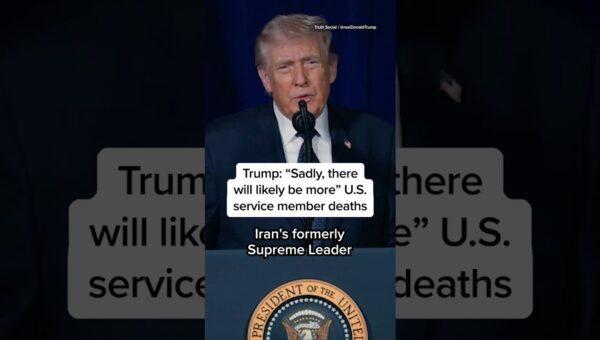
Trump Warns of More US Deaths in Escalating Conflict
Former President Donald Trump issued a somber warning on Truth Social, stating that further U.S. service member deaths are "likely" as geopolitical tensions escalate. He condemned Iran's former supreme leader, Ayatollah Ali Khamenei, and vowed retribution for fallen soldiers.


Gulf States Caught in US-Iran Crossfire, Seek Stability
Gulf states are caught in the escalating US-Iran conflict, facing violations of sovereignty and national security threats. Leaders express a strong desire for stability and economic prosperity, contrasting with the unfolding scenes of regional instability.


Geopolitical Turmoil Bolsters Bitcoin Amidst ETF Inflows
Geopolitical tensions and strong Bitcoin ETF inflows are creating a resilient market. Analysts point to exhausted sellers and the potential for capital rotation into crypto, while regulatory clarity on the Clarity Act could unlock significant institutional investment.