US Navy Crushes Iran’s Fleet in Escalating Conflict
President Trump announced the US military has sunk nine Iranian naval ships, crippling Iran's navy and securing the Strait of Hormuz. The announcement comes amid a massive bombing campaign targeting Iranian military assets, with significant involvement from the Israeli Air Force.

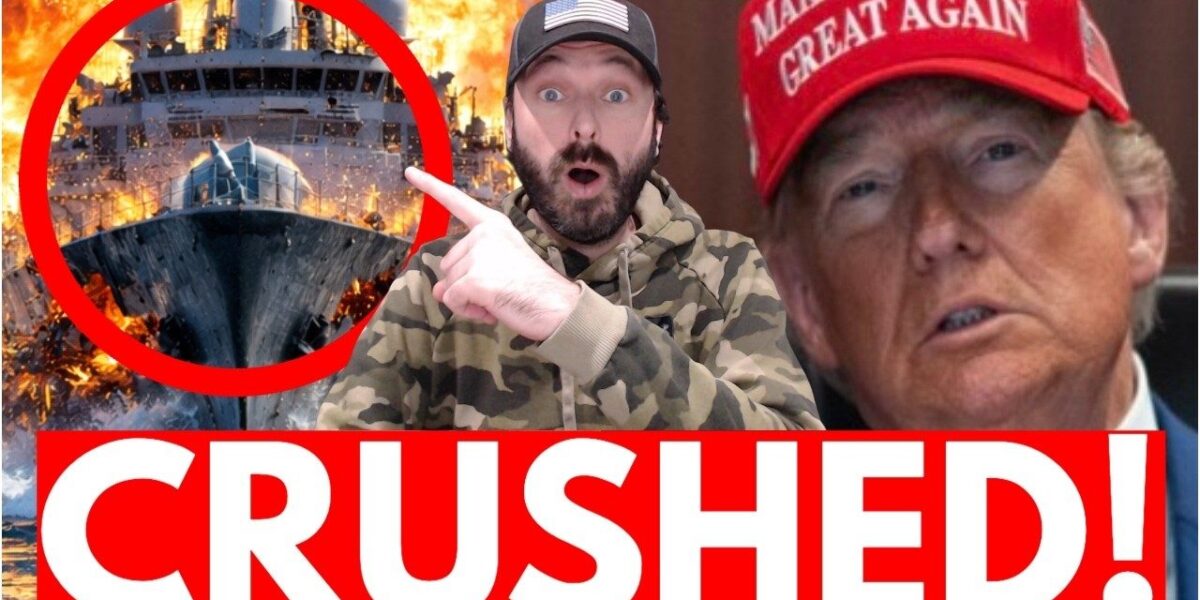
US Navy Crushes Iran’s Fleet in Escalating Conflict
In a dramatic escalation of regional tensions, President Donald Trump announced on March 1st that the United States military has effectively neutralized Iran’s naval capabilities. The announcement, delivered amidst ongoing aerial bombardments, signals a significant shift in the conflict, with the US, bolstered by the Israeli Air Force, launching a comprehensive assault on Iranian military assets.
Naval Power Decimated, Strait of Hormuz Secured
According to the President’s statement, “nine Iranian naval ships, some of them relatively large and important,” have been destroyed and sunk. This decisive action, coupled with the reported destruction of Iran’s naval headquarters, aims to cripple Tehran’s ability to disrupt vital shipping lanes, particularly the Strait of Hormuz. This strategic waterway accounts for approximately 20% of the world’s global oil supply, making its security paramount to the international economy.
The transcript highlights the strategic importance of this naval offensive. Iran has previously attempted to leverage its naval forces to impede oil tanker traffic through the Strait. The obliteration of its navy, as claimed by the US, removes this immediate threat, ensuring the continued flow of oil and safeguarding international maritime interests. Unconfirmed reports also suggest an Iranian submarine may have been torpedoed by an American submarine, further underscoring the severity of the naval engagement.
Widespread Aerial Assaults and International Involvement
Beyond the naval engagements, the conflict has seen extensive aerial bombardments targeting various Iranian military installations. Footage released depicts massive smoke and fire engulfing naval areas, including the Charbar port and Bachete Pier, reportedly run by the IRGC. The United States military has been observed launching cruise missiles, illuminating targets with precision strikes.
The involvement of the Israeli Air Force has added another layer to the coordinated offensive. Strikes have targeted Iran’s IRIB state media broadcast center in Tehran, as well as ballistic missile launchers, command centers, and air defense systems. Israel has declared air superiority over Tehran, indicating a significant advantage in the aerial domain. This collaboration between US and Israeli forces suggests a unified strategy to degrade Iran’s military infrastructure and capacity.
Iran’s Retaliatory Strikes and Regional Instability
In response to the escalating attacks, Iran has reportedly launched retaliatory strikes. Footage indicates Iranian drones hitting a US military base in Kurdistan, northern Iraq, and striking targets in Qatar, which hosts a major US air base in the region. Air sirens were heard as smoke billowed in Qatar following the drone attack.
The conflict has also spilled over into the maritime domain beyond the naval engagements. An oil tanker was reported struck and sinking in the Strait of Hormuz, an act attributed to Iranian forces. This incident underscores the continued volatility of the region and the potential for collateral damage to civilian infrastructure and international shipping.
Ballistic Missile Exchanges and Air Defense Engagements
The conflict has included exchanges of ballistic missiles. Footage from Iraq shows interceptors engaging incoming missiles, with explosions visible as attempts are made to neutralize the threats. Iran reportedly fired over 50 UAVs towards Israel, which were subsequently shot down. However, at least one ballistic missile is reported to have breached defenses and hit Israel, causing significant explosions.
The transcript details ongoing interceptions in Dubai, where US Patriot systems are reportedly engaging incoming threats. The visual and auditory descriptions of these engagements paint a picture of a high-intensity, multi-faceted conflict involving naval, aerial, and missile warfare. The sheer volume of cruise missiles observed in the air, as described in the transcript, indicates a sustained and substantial US military operation.
Why This Matters
The reported decimation of Iran’s navy and the widespread bombing campaign have profound implications for regional stability and global energy markets. The Strait of Hormuz, a critical chokepoint for global oil supply, appears to have been secured by US naval dominance, at least in the immediate term. However, Iran’s retaliatory strikes, including attacks on bases hosting US forces and the strike on a commercial tanker, demonstrate a willingness to retaliate and escalate, potentially drawing the region into a wider, more devastating conflict.
Implications, Trends, and Future Outlook
This event signifies a significant escalation in the long-standing tensions between the US and Iran. The direct targeting and destruction of Iran’s naval assets represent a bold and aggressive stance by the Trump administration. The coordinated action with Israel further solidifies a regional alliance aimed at countering Iranian influence.
The trend towards direct military confrontation, rather than proxy conflicts, appears to be accelerating. The speed and scale of the reported operations suggest a pre-planned and comprehensive strategy. The future outlook remains highly uncertain. While the immediate threat to the Strait of Hormuz may be diminished, Iran’s capacity for asymmetric warfare, including drone attacks and potential disruption of other critical infrastructure, persists. The risk of miscalculation and further escalation remains extremely high, with the potential for a wider regional war that could draw in other global powers.
Historical Context and Background
The current conflict is rooted in decades of geopolitical friction between the United States and Iran, exacerbated by Iran’s nuclear program, its support for regional militant groups, and its attempts to exert influence across the Middle East. The US withdrawal from the Joint Comprehensive Plan of Action (JCPOA) in 2018 and the subsequent reimposition of sanctions have intensified these tensions. Iran’s naval posturing in the Persian Gulf and its threats to disrupt shipping have been recurring issues, often leading to naval standoffs and increased military presence by the US and its allies in the region. This latest development marks a dramatic departure from previous engagements, moving from a posture of deterrence and occasional skirmishes to overt, large-scale destruction of military assets.
Source: BREAKING: U.S. Military SINKS Iran's Navy – Bombs SMASH Targets (YouTube)

Related Articles


Trump Threatens “Unseen” Force on Iran After Leader’s Death
Following the assassination of Supreme Leader Ayatollah Ali Khamenei, U.S. President Donald Trump has vowed to unleash unprecedented force on Iran. While outlining ambitious goals including regime change, experts express skepticism about the effectiveness of airstrikes and the potential for popular uprising against a resilient Iranian government.

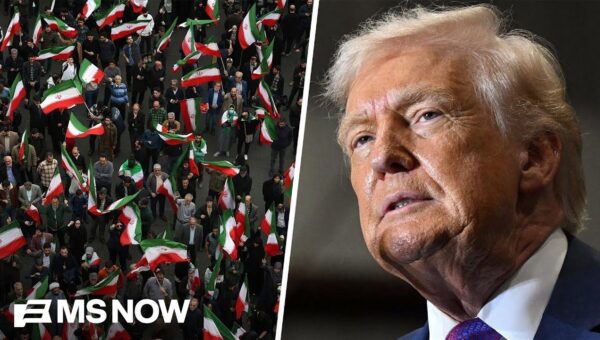
Senator Coons Questions Trump’s Iran Strategy After Troop Deaths
Senator Chris Coons has sharply criticized President Trump's strategy in Iran following the deaths of three U.S. service members. Coons questioned the intelligence regarding Iran's nuclear proximity and the lack of clear strategy and congressional debate for the "war of choice."
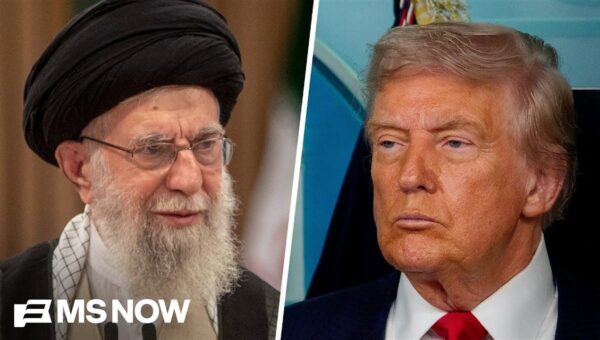
US Strikes Iran: What’s Next for Trump’s Regime Change Strategy?
The U.S. has launched significant strikes against Iran, targeting its leadership and military capabilities. While President Trump claims progress, experts question the long-term strategy, potential diplomatic engagement, and support for the Iranian people amidst a leadership vacuum.