US Navy Blocks Hormuz Strait, Escalates Iran Tensions
The U.S. Navy has initiated a blockade of the Strait of Hormuz following failed nuclear talks with Iran. This critical oil and gas route is now under U.S. control, escalating tensions and threatening global energy supplies. The move aims to pressure Iran but risks wider conflict.

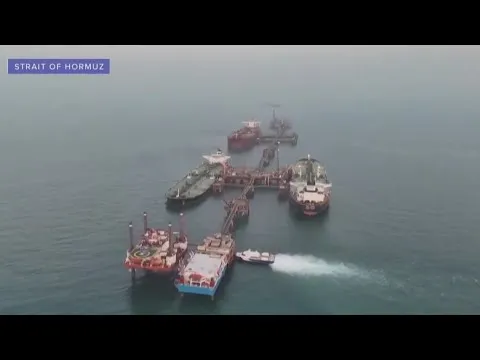
US Navy Blocks Hormuz Strait, Escalates Iran Tensions
The United States Navy has begun blocking ships from entering or leaving the Strait of Hormuz, a crucial waterway for global oil. This move by President Trump follows a failed negotiation with Iran over its nuclear program. The U.S. statement warned that any Iranian ships firing on U.S. or cargo ships would be destroyed.
Negotiations Collapse Over Nuclear Ambitions
Recent talks between the U.S. and Iran did not result in a deal. Both sides agreed on many points, but could not find common ground on Iran’s nuclear ambitions. The U.S. goal is to ensure Iran never develops nuclear weapons. The U.S. views Iran’s nuclear program as a major threat.
Strait of Hormuz: A Vital Global Lifeline
The Strait of Hormuz is a narrow waterway between Iran and Oman. About one-fifth of the world’s oil and gas passes through this strait. Controlling or disrupting traffic here can significantly impact global energy markets. For days, some cargo ships have been allowed through the strait, but only with permission from the Iranian military.
Freedom of Navigation Challenged
International law generally supports freedom of navigation, meaning ships of all nations should be able to pass freely through international waters. Critics, including other Gulf states, have condemned Iran’s control over the Strait of Hormuz. They argue it violates this international right and that the strait should be open to all. The U.S. blockade is presented as a move to enforce this principle.
Rising Tensions and Future Scenarios
This naval blockade significantly increases pressure on Iran. It comes as a two-week ceasefire between the U.S. and Iran is currently holding. Both nations had stated they were ready to resume hostilities if the ceasefire failed. The U.S. action signals a potential return to direct confrontation.
Global Impact
The blockade of the Strait of Hormuz could have far-reaching consequences. Disruptions to oil shipments can cause energy prices to spike worldwide. This could hurt economies that rely on imported oil. It also raises concerns about broader conflict in the Middle East, a region already facing instability. Other countries with interests in the region will be closely watching developments. The U.S. blockade aims to isolate Iran economically and force concessions, but it also risks wider conflict.
Historical Context
The Strait of Hormuz has long been a strategic chokepoint. Throughout history, control of vital trade routes has been a key factor in geopolitical power. The U.S. has a long-standing policy of ensuring freedom of navigation in international waters, particularly in critical energy transit zones like the Strait of Hormuz. Past incidents involving Iran and international shipping have led to increased naval presence and heightened tensions in the region.
Economic Leverage and Consequences
Iran’s economy is heavily dependent on oil exports, many of which pass through the Strait of Hormuz. By blocking this route, the U.S. is attempting to cut off a major source of revenue for Iran. This economic pressure is intended to force Iran to change its behavior, particularly regarding its nuclear program. However, such actions can also lead to retaliation, potentially disrupting global trade and energy supplies, impacting economies worldwide.
Regional Alliances and Power Balance
The U.S. action has drawn condemnation from some Gulf states who also desire freedom of navigation. However, the broader regional response remains to be seen. Iran’s neighbors have complex relationships with both Iran and the U.S. Any escalation could draw other regional powers into the conflict. The U.S. naval presence in the region is a key element of its strategy to maintain influence and deter aggression.
Future Outlook
The situation remains highly volatile. The U.S. blockade could lead to direct military confrontation if Iran retaliates. Alternatively, it might pressure Iran back to the negotiating table, potentially leading to a new agreement. A prolonged blockade could also severely damage the global economy. The effectiveness of this pressure tactic will depend on Iran’s response and the reaction of other major world powers.
Source: Trump announces naval blockade in Strait of Hormuz | NewsNation Live (YouTube)

Related Articles


Ukraine Offers Combat Expertise in Middle East War
Ukraine is leveraging its extensive combat experience to offer air defense expertise and drone technology to nations involved in the Middle East conflict. This move aims to forge new alliances, secure economic benefits, and bolster its global standing, despite facing rejections and internal challenges.

Iran’s AI Trolls Outsmart Trump’s Online War
Iran has turned to AI-generated videos and a relentless online trolling campaign to counter Donald Trump following failed negotiations. This strategy highlights a new form of asymmetrical warfare in the digital age, raising questions about the future of international relations and information control.


Trump Escalates Iran Conflict, Threatens Blockade
Former President Donald Trump has escalated tensions with Iran by threatening to blockade the Strait of Hormuz following failed negotiations led by Senator JD Vance. This move is marked by significant contradictions and raises concerns about global economic stability and the risk of wider conflict.