US Navy Blockade: Iran’s Lifeline Threatened, But Risks Loom
The U.S. Navy's blockade of Iranian ports aims to cut off the nation's economic lifeline. While designed for pressure, the operation carries significant risks, including potential Iranian retaliation and strain on U.S. naval resources. Success hinges on a comprehensive strategy beyond military might.

US Navy Blockade: Iran’s Lifeline Threatened, But Risks Loom
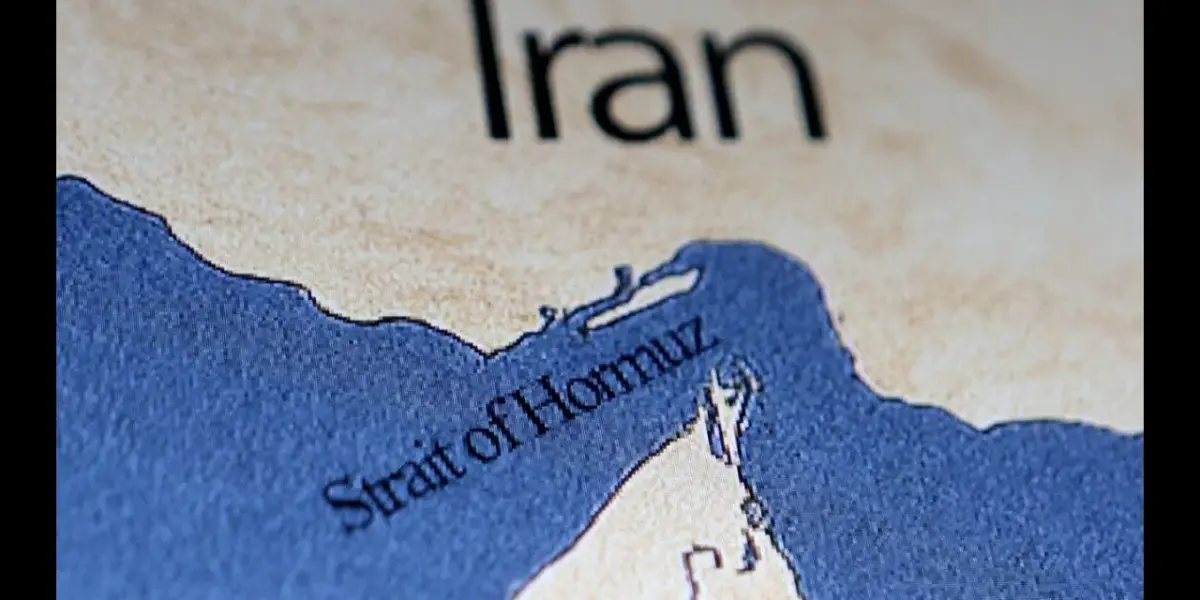
The United States Navy is set to implement a blockade of ships entering or exiting Iranian ports. This move aims to cut off Iran’s economic lifeline and pressure the regime. A naval blockade is essentially a military operation where forces position themselves to prevent ships from reaching a specific destination or leaving it. In this case, the goal is to stop all maritime traffic connected to Iranian ports. This is a significant step beyond typical naval actions, which often involve partial screenings or quarantines of certain goods. A total blockade is operationally complex and demanding, requiring the stopping, boarding, and inspection of vessels. Estimates suggest the Navy might only be able to process a few ships per day due to these procedural difficulties.
Why Blockade Iran?
The primary reason for imposing such a blockade is economic pressure. While air power can strike military targets, a blockade directly attacks the financial resources that sustain a regime. By cutting off oil exports and other trade, the U.S. hopes to cripple Iran’s economy, making it harder for the government to fund its military and maintain power. This strategy targets the regime’s ability to operate, especially in a country where public dissent is high and the government’s legitimacy is questioned.
The Risks for the US Navy
Implementing a blockade is not without considerable risks for the U.S. Navy. One major challenge is Iran’s potential refusal to comply. If Iranian ships attempt to break the blockade, the Navy might be forced to use force, potentially sinking vessels. This could escalate tensions dramatically. Another concern is the current size of the U.S. Navy. While ships have been deployed to the region, there are questions about whether the existing fleet is sufficient to comfortably manage a comprehensive blockade and its associated demands. It’s a test of resources versus Iranian resolve.
Iranian Countermeasures and Tactics
Iran is expected to retaliate against a blockade. Potential countermeasures include increased drone and rocket attacks, not only targeting ships in the Persian Gulf but also striking oil infrastructure and desalination plants in neighboring Gulf states. Iran might also attempt to attack U.S. Navy vessels directly. The blockade, as described, applies specifically to ships going to and from Iranian ports, meaning other commercial traffic in the Gulf could still be vulnerable. This creates a complex security challenge where the U.S. must protect its own assets and allies while enforcing the blockade.
A Broader Strategy: Economic Warfare
The current approach seems to be part of a broader strategy that includes hitting Iran’s economic infrastructure. While military targets have been struck, key elements of Iran’s society, like electricity and water systems, and its transportation networks, have largely been left intact. These are considered dual-use assets that support both civilian life and military efforts. By not targeting these, the U.S. may be preserving options for future engagement or avoiding widespread humanitarian crises. However, the transcript suggests that these economic levers, including transportation and infrastructure that facilitate exports, could be lawful targets if the strategy shifts.
Technological Challenges and Solutions
Keeping the Strait of Hormuz open in the age of drones presents unique difficulties. Iran can use drones, missiles, and mines to disrupt shipping. The U.S. military is employing advanced defenses and intelligence to detect and neutralize these threats. This includes targeting manufacturing and transportation networks that supply Iran’s drone and missile programs. The U.S. Navy has experience keeping vital waterways open, such as in the Red Sea, but the current situation with Iran is described as a more all-out effort. The challenge is immense, especially since some drones can be relatively easy to construct.
The Importance of a Full-Court Press
Success in this strategy requires more than just military action. Experts suggest a comprehensive approach is needed. This includes closing land borders, seizing overseas financial assets, and pressuring countries like China and Russia that do business with Iran. The goal is to make life difficult for the Iranian regime, preventing it from focusing on regional disruption. The Gulf states themselves have invested heavily in defenses against missiles and drones, but vigilance must be continuous.
Why This Matters
This naval blockade represents a significant escalation in economic pressure against Iran. It highlights the U.S. strategy of targeting a nation’s financial lifeblood as a means of achieving foreign policy goals. The operation is fraught with potential for miscalculation and escalation, testing the limits of both U.S. naval capacity and Iranian defiance. The outcome will not only affect Iran and its people but also regional stability and global shipping routes, particularly for oil and LNG. The effectiveness of this strategy will depend on its execution, Iran’s response, and the broader international community’s stance.
Looking Ahead
The situation is fluid, and the implementation of the blockade marks a new phase in U.S.-Iran relations. The coming weeks will reveal how effectively the U.S. Navy can enforce the blockade and how Iran chooses to react. The long-term implications could involve a prolonged period of economic hardship for Iran, increased regional tensions, or a diplomatic breakthrough. The strategy hinges on the idea that crippling economic pressure will force the Iranian regime to change its behavior, but the path to achieving this is complex and carries substantial risks.
Source: What Risks and Challenges Could the US Navy Face While Blockading the Strait of Hormuz? (YouTube)

Related Articles
Iran’s Regime Thrives on Chaos, Not Peace
Iran's government thrives on chaos, using conflict for survival. Experts describe the regime as a 'cacistocracy,' run by the incompetent. Despite internal dissent and international pressure, the regime's survival is bolstered by external support from minority Shia groups and a strategy of ruthless suppression.
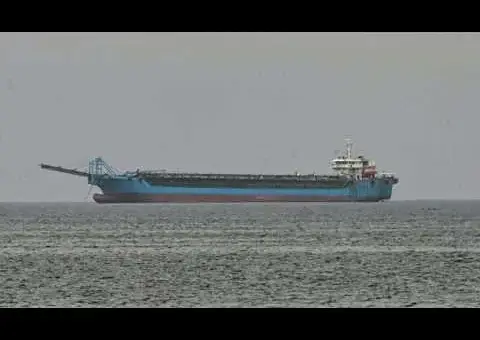
Iran’s Strait of Hormuz Blockade: A Risky Gamble for Oil Power
Iran's control over the Strait of Hormuz has been its primary bargaining tool in international negotiations. Recent actions by the US to blockade the strait signal an escalation, moving away from potential peace deals towards a standoff. The situation highlights global energy security concerns and Iran's assertive tactics.
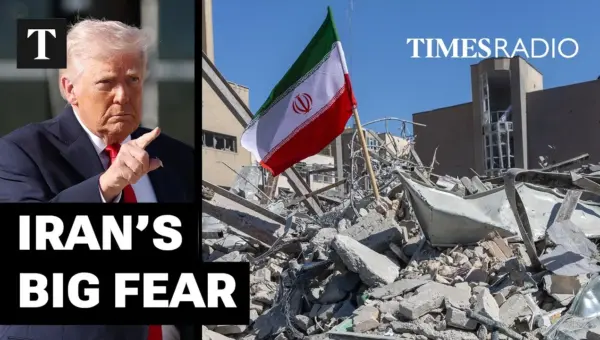
Iran Vows “Anything” To Avoid Gaza-Like State Amid Tensions
Iran is determined to avoid a Gaza-like situation amid escalating tensions with the US. A new US blockade of Iranian ports is seen as an act of war, raising fears of wider conflict. Deep distrust and stalled peace talks highlight the fragile state of regional security.