US Naval Blockade Looms as Iran Talks Collapse
Failed U.S.-Iran talks have led to the potential for a U.S. naval blockade of the Strait of Hormuz. Both sides entered negotiations with leverage, resulting in a stalemate. Key sticking points include the Strait's control, enriched uranium, and frozen Iranian assets. The U.S. may need to recalibrate its strategy beyond military pressure.

US Naval Blockade Looms as Iran Talks Collapse
Negotiations between the United States and Iran have hit a wall, with the first round of talks failing to produce any real progress. Both sides entered the discussions believing they held the upper hand, a common reason for such stalemates. This lack of agreement is seen as more detrimental to Iran than to the U.S., according to Vice President Vance, who led the American delegation. He stated that the U.S. clearly defined its non-negotiable terms, which Iran ultimately rejected.
Iran’s Mistrust and Key Demands
The Iranian delegation echoed similar sentiments, stating that the U.S. failed to earn their trust. This distrust stems from past experiences, where previous negotiations with the U.S. and sometimes Israel were followed by conflict. Specifically, Iran points to a 12-day war that began after earlier talks and the killing of a key figure shortly after negotiations seemed close to a breakthrough. This history leads Iran to enter discussions with a demand for proof of trustworthiness from the U.S.
According to reports sourced from the Iranian side, three main issues stalled the talks: the reopening of the Strait of Hormuz, the fate of nearly 900 pounds of highly enriched uranium, and Iran’s demand for the release of about $27 billion in frozen funds. The U.S. insisted on the immediate reopening of the Strait, a vital shipping lane. Iran, however, wants to use its control over the Strait as leverage until a final peace deal is reached. Iran also sought reparations for war damages and the release of its frozen assets, requests the U.S. rejected.
Strategic Deadlock and Shifting Perceptions
An analysis suggests that U.S. policy was based on the idea that military pressure would force Iran to make concessions, particularly on uranium enrichment and freedom of navigation. However, negotiations are influenced by perception as much as by reality. Iran, from its viewpoint, has endured military pressure and demonstrated its ability to retaliate. This difference in perception—between American expectations of weakness and Iran’s self-view of resilience—has created a strategic deadlock.
While U.S. military strikes have inflicted significant damage on Iran’s military infrastructure, this has not necessarily led Iran to feel defeated. Instead, Iran may perceive that it has not lost and still possesses significant leverage. This suggests that the U.S. strategy of overwhelming pressure may not be achieving its intended results.
Recalibrating Strategy and Potential Blockade
The current situation leaves Washington with a difficult choice: either continue with a strategy that isn’t working or reassess its approach. The burden of changing strategy falls on the U.S., not necessarily to concede to Iran’s demands, but to realistically assess what military pressure can achieve. Continuing to operate under a false sense of leverage risks further escalation. The initial U.S. strategy seemed to aim for Iran’s collapse, either through regime change or immediate negotiation concessions, neither of which has occurred.
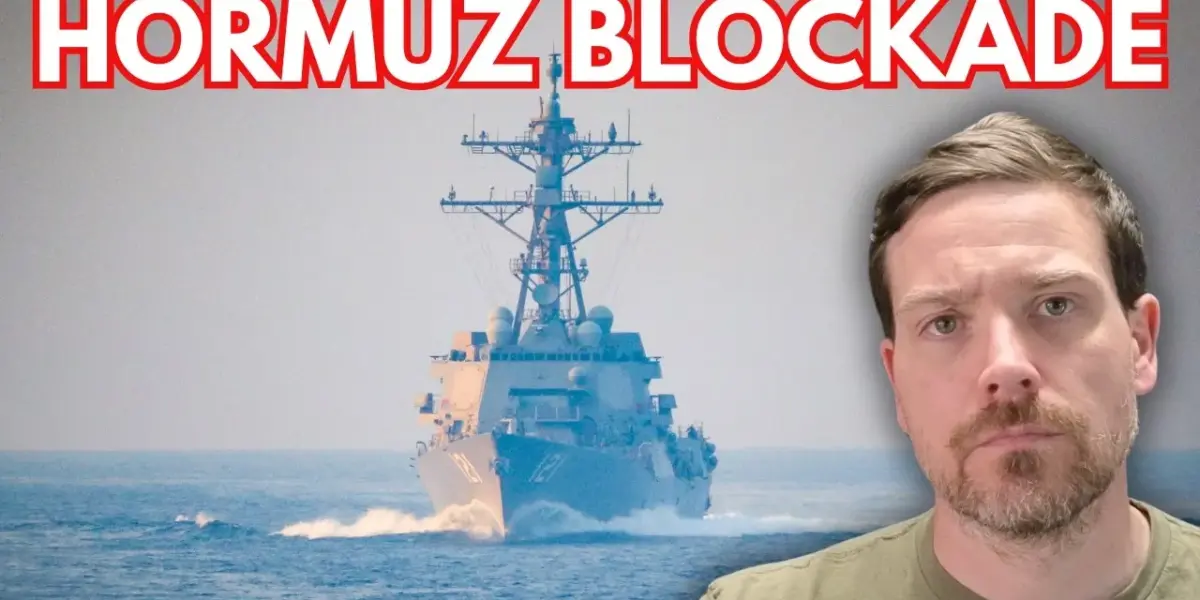
Given the current stalemate, a different approach is needed. While military options remain, one potential strategy gaining attention is a naval blockade of Iran. President Trump has indicated interest in this idea, suggesting it could cripple Iran’s economy by cutting off its oil exports, especially impacting countries like China and India. The concept involves the U.S. Navy blockading ships entering or leaving the Strait of Hormuz and intercepting vessels in international waters that have paid tolls to Iran. This could involve boarding ships, similar to operations conducted off the coast of Venezuela.
Implications and Future Outlook
A blockade, though risky, could be a way to change Iran’s calculus if it continues to control passage through the Strait of Hormuz. This action would represent a significant shift in U.S. strategy. With the current ceasefire set to expire in about ten days, there is still a possibility of further negotiations. However, the breakdown of the initial talks and the potential for a naval blockade highlight the complex and tense relationship between the U.S. and Iran, with significant implications for regional stability and global energy markets.
Why This Matters
The failure of these negotiations and the looming threat of a naval blockade underscore the deep mistrust and conflicting perceptions between the U.S. and Iran. It shows that military might alone may not be enough to compel a desired outcome in international relations. The situation highlights the critical importance of understanding the adversary’s perspective and the need for flexible diplomatic strategies. The Strait of Hormuz is a critical global chokepoint for oil, and any disruption there could have far-reaching economic consequences worldwide. The decisions made in the coming days could significantly impact regional security and the global economy.
Source: US Declares Naval Blockade After Iran Talks Stall (YouTube)

Related Articles

US Blockades Hormuz Strait After Iran Talks Collapse
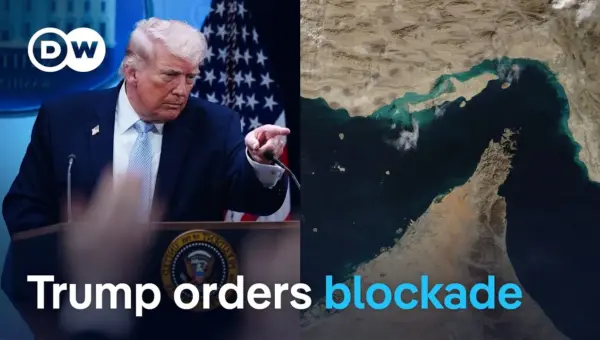
The U.S. has imposed a naval blockade on the Strait of Hormuz following failed peace talks with Iran in Pakistan. Despite mediation efforts, key disagreements over Iran's nuclear program and mutual trust prevented a deal. The move escalates regional tensions, with Pakistan urging continued dialogue.

US-Iran Peace Talks Collapse Over Nuclear Standoff
High-level peace talks between the United States and Iran have failed to secure an agreement, primarily due to Iran's refusal to commit to abandoning nuclear weapons. Vice President J.D. Vance called the discussions substantive but ultimately unsuccessful, stating the U.S. presented a final offer. Following the collapse, President Trump announced an immediate U.S. Navy blockade of the Strait of Hormuz.


Vance’s Failed Diplomacy Could Doom His Political Future
Senator JD Vance's recent diplomatic mission in Pakistan ended in failure, raising questions about his political future. The situation highlights complex geopolitical tensions, potential strategic missteps by Donald Trump, and significant economic implications for global energy markets.