US Naval Blockade Hits Iran, Oil Prices Surge
The U.S. has imposed a naval blockade on Iranian ports, causing oil prices to spike and threatening global energy markets. This action follows failed peace talks and aims to cut off Iran's oil revenue, though it carries risks of market instability and potential escalation.

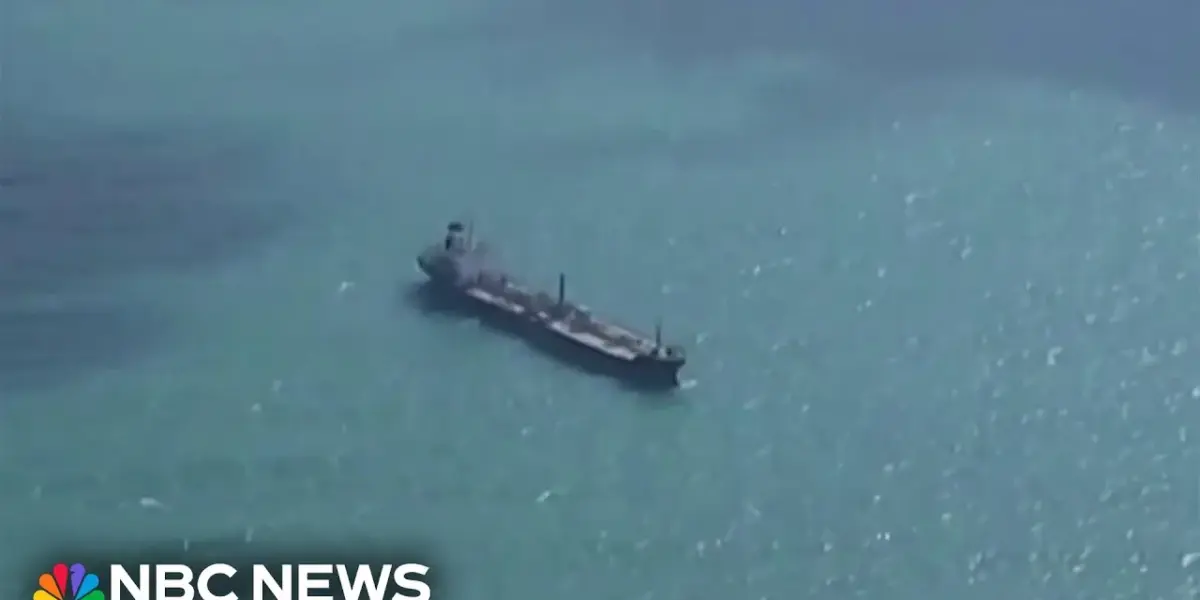
US Imposes Naval Blockade on Iranian Ports
The United States has initiated a naval blockade of Iranian ports, a move that is sending oil prices soaring and threatening to destabilize global energy markets. This action follows the collapse of peace talks between the U.S. and Iran over the weekend in Pakistan, which failed to achieve any breakthroughs. Iran has denounced the blockade, calling it an act of piracy and vowing retaliation. Meanwhile, NATO and European allies have stated they do not support the blockade and are calling for the waterway to be reopened.
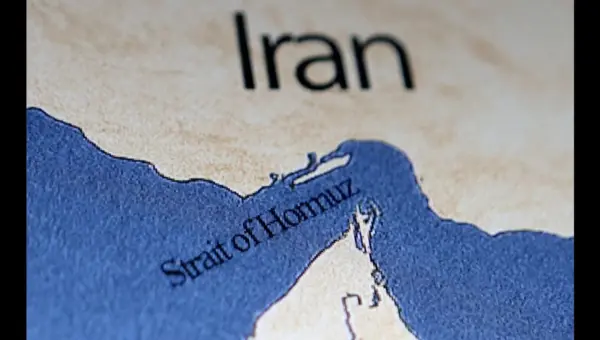
Goal: Reopen Strait of Hormuz, Choke Iranian Oil
The President’s stated goal is to reopen the vital Strait of Hormuz and restore the flow of oil to nations dependent on it. However, the current situation is complex. Iran itself had previously imposed blockades, contributing to the current crisis. The new U.S. blockade aims to stop Iranian ships, which have continued to operate and sell oil on the international market. By choking off this revenue stream, the U.S. hopes to pressure Iran.
Global Market Risks and Iranian Response
The risk of adding another blockade on top of existing ones is that less Iranian oil will reach the global market. As oil is a global commodity, this could lead to further price increases. Nations like China and India, which rely on this oil, could be significantly impacted. While the U.S. intends this move to subdue Iran, it could inadvertently worsen global market conditions. Iran has strongly condemned the blockade, labeling it piracy. International leaders are increasingly recognizing that this confrontation, even with calls for negotiation, is creating more friction.
Failed Peace Talks and Nuclear Sticking Points
The blockade comes after 21 hours of marathon peace talks between the U.S. and Iran ended without an agreement. According to the U.S. side, the main obstacles were Iran’s enriched uranium and its pursuit of nuclear weapons. The U.S. views this as the primary issue hindering negotiations and a key reason for the ongoing conflict. Despite Iran’s right to enrich uranium as a signatory to the nuclear non-proliferation agreement, the U.S. wants Iran to relinquish this right. The vast difference between the two sides’ positions makes reconciliation difficult in the short term.
White House Signals Open-Ended Blockade
The White House has suggested the blockade could be open-ended, designed to cripple Iran’s economy by cutting off oil and natural gas sales. The hope is that this economic pressure will force Iran back to the negotiating table. President stated that other countries are ready to help police the Strait of Hormuz and the Persian Gulf. However, no specific nations have been named, and there is no visible evidence of other countries eagerly supporting or contributing ships to this potentially long-term effort.
Enforcement Challenges and Potential Escalation
The enforcement of the blockade raises significant questions. Some allies suggest a scenario similar to the U.S. interception of ships leaving Venezuelan ports. However, the maritime traffic and the involvement of major global powers in the Persian Gulf are far more complex. The possibility of the U.S. boarding vessels flagged by China or American allies could lead to escalation that the White House has not publicly addressed. The U.S. military’s level of aggression in enforcing a total blockade of Iran’s coastline remains uncertain.
Minesweeping Efforts and Commerce Flow
In parallel with the blockade, U.S. ships have begun minesweeping operations in the Strait of Hormuz and the Persian Gulf. The strategy appears to be preventing ships departing from Iran from transiting the Gulf. However, allowing ships from allied or neutral nations like Saudi Arabia, Kuwait, and Qatar to continue exporting their goods and petrochemicals. This aims to maintain some level of commerce while squeezing Iran’s funding for its war efforts. This blockade represents an experimental expansion of the conflict, with its ultimate outcome still to be determined.
What’s Next?
The coming days will be crucial in observing how Iran responds to the blockade and whether other international players will be drawn into the escalating tensions. The effectiveness of the U.S. strategy in pressuring Iran without further destabilizing global energy markets remains a key question. The world will be watching to see if diplomatic channels can be reopened or if this naval action will lead to a wider regional conflict.
Source: U.S. naval blockade of Iranian ports goes into effect (YouTube)

Related Articles
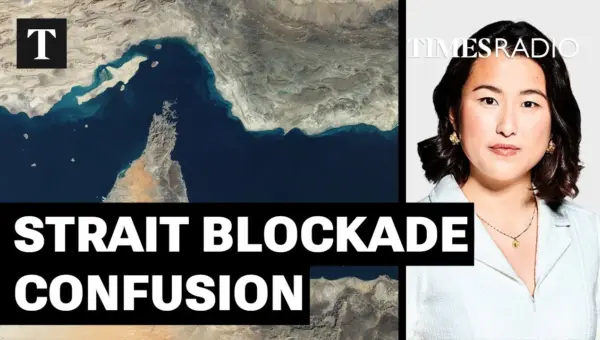
Trump’s Hormuz Blockade Plan Draws UK Rebuke, Sparks War Fears
The U.S. faces criticism for a proposed blockade of ships from Iranian ports, with the UK refusing to participate and citing concerns about escalating conflict. The plan raises questions about effectiveness and risks drawing in major powers, while a separate debate brews in the UK over adopting EU rules using "Henry VIII powers."
US Navy Blockade: Iran’s Lifeline Threatened, But Risks Loom
The U.S. Navy's blockade of Iranian ports aims to cut off the nation's economic lifeline. While designed for pressure, the operation carries significant risks, including potential Iranian retaliation and strain on U.S. naval resources. Success hinges on a comprehensive strategy beyond military might.
US Oil Exports Soar Past $100 as Iran Sanctions Loom
US crude exports are surging to record highs as global demand increases and sanctions loom over Iran. This shift is pushing oil prices above $100, with potential impacts on domestic energy costs.