US National Debt Tops $38.7 Trillion, Interest Payments Soar
The U.S. national debt has surged past $38.7 trillion, with daily increases nearing $8 billion. Annual interest payments now exceed $1 trillion, surpassing national defense spending. This escalating deficit raises concerns about currency devaluation and historical economic instability.


US National Debt Surpasses $38.7 Trillion Mark
The United States national debt has now exceeded a staggering $38.7 trillion, a figure that continues to grow at an alarming rate. With the debt increasing by approximately $8 billion daily, the nation faces unprecedented fiscal challenges. A significant portion of this burden is reflected in the soaring interest payments, which have now surpassed $1 trillion annually. This means the U.S. is spending more on servicing its debt than on its entire national defense budget.
The Alarming Growth of Deficits
The rapid accumulation of national debt is primarily driven by persistent budget deficits. When countries consistently spend more than they earn, they often resort to printing more money to cover the shortfall. This practice, however, can lead to a dangerous cycle of currency devaluation and further inflation, compelling governments to print even more money. This scenario has historically preceded significant economic resets and crises in various nations.
“When countries begin to grow the deficit to this degree, they don’t just say, ‘Hey guys, sorry we can’t pay today.’ Instead, they begin printing more and more and more money, which further devalues the currency, causes them to print even more money to cover the deficit.”
Implications of Soaring Interest Payments
The milestone of exceeding $1 trillion in annual interest payments is a critical juncture for the U.S. economy. This expenditure diverts substantial resources that could otherwise be allocated to essential public services, infrastructure development, or investments in future growth. The fact that interest payments now outweigh national defense spending highlights the magnitude of the fiscal pressure the country is under. This trend raises concerns about long-term fiscal sustainability and the government’s ability to manage its financial obligations without resorting to drastic measures.
Historical Precedents and Economic Stability
The transcript points to historical economic resets, suggesting a pattern where unsustainable deficit spending and currency devaluation have led to severe economic downturns. While the U.S. dollar’s status as the world’s primary reserve currency provides some buffer, the sheer scale of the debt and the rapid increase in interest costs present a novel challenge. Understanding these historical parallels is crucial for assessing the potential risks and the long-term consequences for the American economy and its global standing.
Looking Ahead: Fiscal Responsibility and Future Challenges
As the national debt continues its upward trajectory, attention will increasingly focus on potential policy responses. Debates surrounding fiscal responsibility, budget cuts, and revenue generation are likely to intensify. The path forward will require difficult decisions aimed at achieving a sustainable fiscal balance. Investors, policymakers, and citizens alike will be closely monitoring the government’s actions to mitigate the risks associated with this escalating debt burden and to ensure the long-term economic health of the nation.
Source: The U.S. National Debt Surpassed $38.7 TRILLION (YouTube)

Related Articles

Trump’s Tariffs Linked to Stagnant Job Growth in First Year Back
The U.S. economy saw minimal job growth in 2025, adding just 181,000 jobs, a figure attributed to business uncertainty fueled by Donald Trump's volatile tariff policies. While January 2026 showed gains, they were heavily concentrated in healthcare, masking broader economic weakness and significant layoffs.


Supreme Court Reins In Presidential Tariff Power
The U.S. Supreme Court has ruled that the President cannot use emergency powers to impose tariffs, potentially requiring billions in collected revenue to be repaid to corporations. This decision limits executive authority in trade policy.

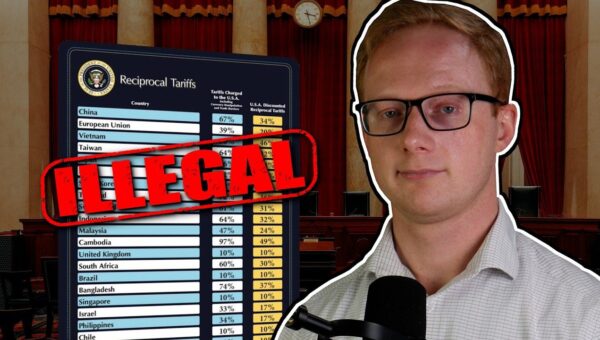
Supreme Court Strikes Down Trump Tariffs, New Levies Emerge
The U.S. Supreme Court has ruled former President Trump's AIPA tariffs illegal, but new temporary levies have been swiftly imposed. The decision impacts $175 billion in collected revenue and reshapes the future of U.S. trade policy, leaving investors to navigate a complex and evolving landscape.