US Must Set Clear Nuclear, Strait Red Lines for Iran
The US must set clear non-negotiable demands in upcoming ceasefire talks with Iran. Key concerns include Iran's nuclear program and ensuring freedom of navigation through the vital Strait of Hormuz. These issues have deep historical roots and significant global implications.

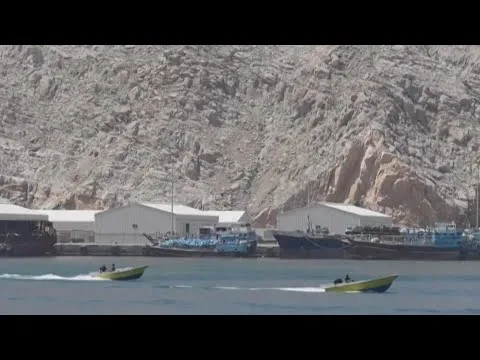
US Sets Stricter Terms for Iran Ceasefire Talks
The United States is facing a critical moment in its foreign policy concerning Iran. As ceasefire talks continue, Washington must define its non-negotiable demands, or “red lines.” These are crucial for managing Iran’s nuclear program and ensuring safe passage through a vital global waterway. The current situation is fragile, with ongoing fighting in Lebanon and confusion over Iran’s nuclear activities. International attention is focused on whether a lasting peace can be achieved.
Iran’s Nuclear Ambitions and Global Security
One of the United States’ main concerns is Iran’s nuclear program. Iran has been violating its international promises regarding nuclear weapons for years. The US wants Iran to fully explain its nuclear activities. This is a long-standing issue, dating back to Iran’s commitments under the Non-Proliferation Treaty. Ensuring Iran does not develop nuclear weapons is a top priority for global security.
The Strait of Hormuz: A Vital Global Waterway
A newer concern that emerged during recent conflicts is the future of the Strait of Hormuz. This narrow waterway is essential for global trade, especially for oil shipments. Iran has acted as if it controls this international passage. The US insists on the principle of freedom of navigation, meaning ships of all nations should be able to pass freely. Allowing Iran to treat the Strait like its own private canal is unacceptable to the United States and its allies.
Lessons from Past Ceasefire Efforts
Looking back at previous attempts to stop conflicts can offer guidance. For example, a ceasefire in Gaza last fall aimed to halt fighting first, then address complex issues through talks. This approach, while effective in stopping immediate violence, can be challenging. Negotiating vastly different visions for the future, especially between Iran and the US, takes time and clear objectives. Keeping guns silent for even a short period is difficult, but negotiating lasting peace is even harder.
Defining US Objectives: An End Game for Iran
Experts suggest that the US needs a clear “end game” for its strategy towards Iran. This means having well-defined goals for what a successful outcome looks like. The current talks are happening at a critical time, with major discussions planned. The United States must be firm on its core demands to achieve a stable regional situation. Failing to do so could lead to further instability and conflict.
Global Impact: Why This Reshapes the World Order
The outcome of these negotiations will have far-reaching effects. The Strait of Hormuz is a critical artery for the world’s energy supply. Any disruption there can send shockwaves through global markets, affecting economies worldwide. Furthermore, Iran’s pursuit of nuclear capabilities remains a significant threat to international peace. If Iran were to acquire nuclear weapons, it could trigger a dangerous arms race in the Middle East, destabilizing the region for decades to come. The US stance sets a precedent for how major powers manage nuclear proliferation and freedom of passage in strategic waterways.
Historical Context: A Long Road to Diplomacy
The current tensions are part of a long history between the US and Iran. Diplomatic relations have been strained for decades, marked by various crises and attempted negotiations. The Non-Proliferation Treaty, signed in 1968, is the foundation of international efforts to prevent the spread of nuclear weapons. Iran’s obligations under this treaty are central to the current discussions. Similarly, the principle of freedom of navigation in international waters is a cornerstone of maritime law, established through centuries of practice and international agreements.
Economic Leverage and Future Scenarios
The US has used economic tools like sanctions in the past to influence Iran’s behavior. These measures can impact Iran’s ability to fund its nuclear program or military activities. However, sanctions can also affect the daily lives of ordinary Iranians and have unintended consequences. Looking ahead, several scenarios are possible. One is a successful diplomatic agreement that addresses both nuclear concerns and maritime passage. Another is a continued stalemate, with ongoing tensions and potential for renewed conflict. A third, less likely scenario, involves a significant escalation of hostilities. The US must weigh these possibilities carefully as it defines its red lines.
Source: What should the US establish as its redline in ceasefire talks? | Morning in America (YouTube)

Related Articles

Trump Orders Strait of Hormuz Blockade After Talks Fail
President Trump has ordered a US Navy blockade of the Strait of Hormuz after peace talks with Iran failed. The move aims to prevent Iran from developing nuclear weapons and stops ships paying illegal tolls. This escalates regional tensions significantly.


Oil Prices Soar Past $100 After US Announces Iranian Port Blockade
Global oil prices surged past $100 a barrel following a U.S. Navy announcement of a blockade on Iranian ports. The move comes after 21 hours of stalled negotiations, with experts questioning the effectiveness of the U.S. strategy. The standoff raises concerns about economic stability and potential international repercussions.


Trump’s Iran Blockade Sparks Global Economic Fears
President Trump has ordered a blockade of the Strait of Hormuz, sparking fears of global economic turmoil and rising gas prices. Experts warn the move could destabilize the region and damage international relations, citing potential disruptions to oil, vital materials, and shipping lanes. The decision faces sharp criticism for its potential economic fallout and impact on global trade.