US Munitions Finite, Trump Claims Mislead Analysts
Analysis reveals that despite former President Trump's claims, U.S. munitions are not infinite, posing strategic challenges. UK forces successfully downed a drone, highlighting ongoing global security concerns and the costly economics of modern drone warfare.

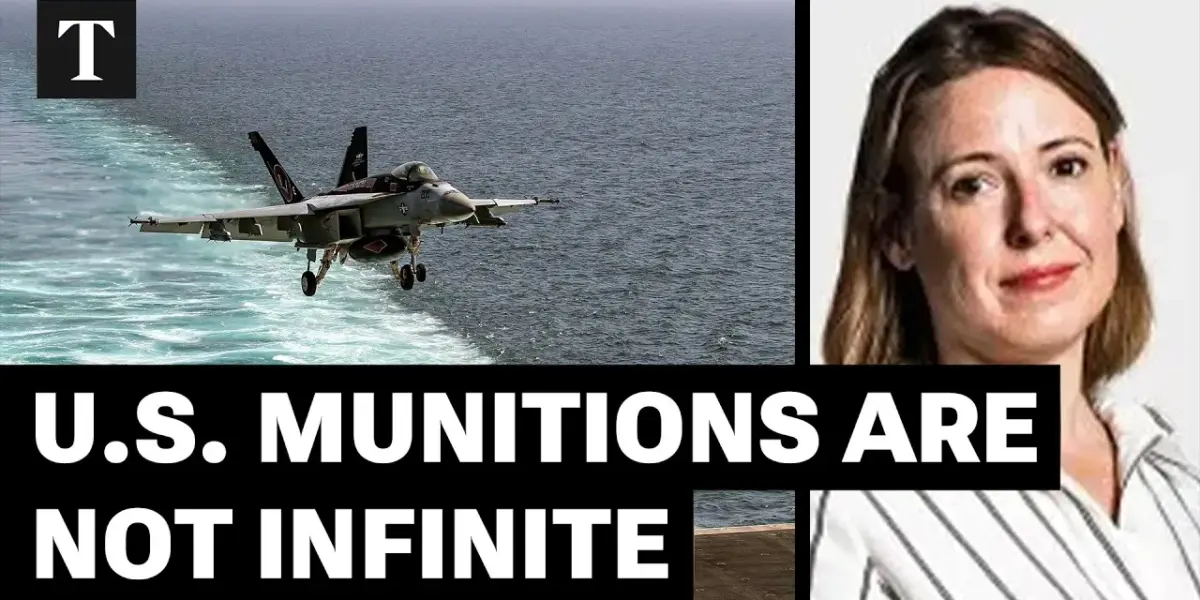
UK Forces Down Drone as Tensions Rise
British forces have engaged in defensive operations amid escalating global tensions, with an RAF F-35 jet successfully shooting down a drone over Jordanian airspace. This marks the first combat deployment and target engagement for the F-35 within the Royal Air Force. Additionally, troops stationed in Iraq intercepted several drones targeting coalition bases, underscoring the heightened security environment.
Trump’s Rhetoric and Realities of Ammunition Supply
Amidst these developments, former President Donald Trump’s recent media appearances have drawn scrutiny, particularly his assertions regarding the availability of U.S. munitions. Defense analysts, including Catherine Philp, World Affairs Editor at The Times, have challenged these claims, emphasizing that while U.S. munitions are plentiful, they are not infinite. Philp noted the discrepancy in Trump’s statements, particularly his claim that no munitions had been sent to the Middle East, overlooking significant supplies to Israel during its conflict in June.
“The biggest porky in that whole sort of military scenario was the idea that they have unlimited munitions. They do not,” Philp stated, highlighting the unsustainable nature of perpetual, high-intensity military operations without regard for supply limitations.
Geopolitical Maneuvering and Base Strategy
Trump’s public remarks also touched upon international alliances and military base strategy. His strong criticism of the UK’s initial refusal to fully engage in early attacks on Iran, and his dismissive comments towards Spain, have been analyzed by experts. Sir Peter Westmacott, former British Ambassador to the United States, commented on Trump’s rhetoric, suggesting it reflects an impatience with allies perceived as not aligning with his immediate objectives.
Philp offered insight into the U.S. military’s strategic needs, suggesting that while Trump expressed annoyance with the UK’s stance on using bases for offensive operations, the U.S. may not require forward bases in some Gulf states due to their vulnerability to Iranian missile and drone fire. Instead, the focus appears to be on longer-range bases like Diego Garcia, suitable for launching large bombers.
The Economics of Drone Warfare
The transcript also delved into the economic disparities in modern warfare, particularly concerning drone attacks. Ukraine’s President Zelenskyy has offered assistance to the UAE in dealing with Shahid drones, the same type Ukraine has become accustomed to countering. However, the article points out the significant cost difference between defensive measures and the drones themselves.
“Just worth pointing out the cost of a Patriot missile is around $4 million. A Shahed drone costs roughly $20,000. So it’s an enormously expensive piece of ordinance to fire at a drone, and they have thousands of them.”
This stark contrast highlights the challenge faced by nations, particularly those with substantial financial resources like the Gulf states, in sustaining defensive operations against a barrage of cheaper, albeit less sophisticated, aerial threats. The finite nature of supply chains for advanced munitions becomes a critical factor in prolonged conflicts.
Legal and Diplomatic Ramifications
The discussion also touched upon the legal and diplomatic implications of Trump’s policy pronouncements. His contemplation of trade embargoes against individual European nations, despite the presence of Treasury officials, raised questions about executive authority and international trade law. Experts noted that such actions could lead to further legal challenges, potentially returning to the Supreme Court, which has previously ruled against the president’s unilateral power in imposing tariffs.
The potential impact of these diplomatic strains on high-profile state visits, such as the planned visit of the King and Queen to the United States, was also considered. The delicate balance between personal political considerations and the enduring strength of international relationships was a recurring theme.
Looking Ahead
As geopolitical tensions continue to simmer, the focus remains on the strategic decisions made by global powers, the realities of military supply chains, and the complex interplay between political rhetoric and international diplomacy. The coming months will likely reveal how these dynamics shape future military engagements and alliances, particularly in light of the ongoing conflicts and the approaching U.S. presidential election cycle.
Source: U.S. Munitions Are Plentiful But Not Infinite | Catherine Philp (YouTube)

Related Articles


Faith, Fury, and Fire: Iran War Fueled by Divine Mandate?
US troops reportedly briefed on the Iran conflict using 'Armageddon' and 'divine plan' narratives, raising serious questions about the justifications for war. Shifting official rationales and intelligence discrepancies fuel public distrust.

Iran Crisis Spikes Oil Prices, Threatens Global Energy Supply
Millions of barrels of crude oil are being held back daily from global markets, pushing prices up and threatening an energy crisis. The prolonged disruption highlights the world's continued dependence on fossil fuels and the geopolitical risks involved.
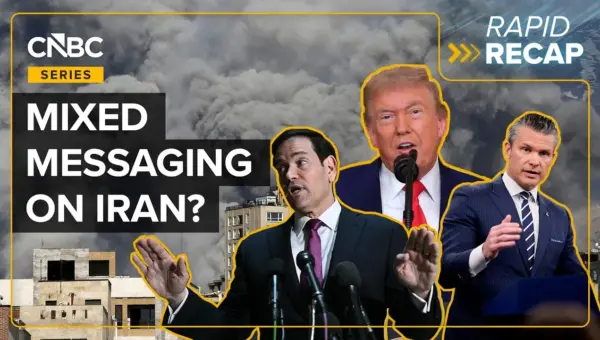
Iran Tensions Flare: US Vows “Annihilation” Amid Nuclear Fears
The Trump administration has adopted an aggressive tone towards Iran, vowing military action and highlighting concerns over the nation's nuclear ambitions. Officials cited "imminent threats" and Iran's development of missiles and drones as justifications for a preemptive stance.