US Mulls Iran Ground War Amid Shifting Alliances
The U.S. military is preparing for potential ground operations in Iran, even as President Trump signals a willingness to end the conflict without fully securing the Strait of Hormuz. U.S. forces are conducting extensive strikes, while key European allies deny access to their airspace, creating significant diplomatic friction.

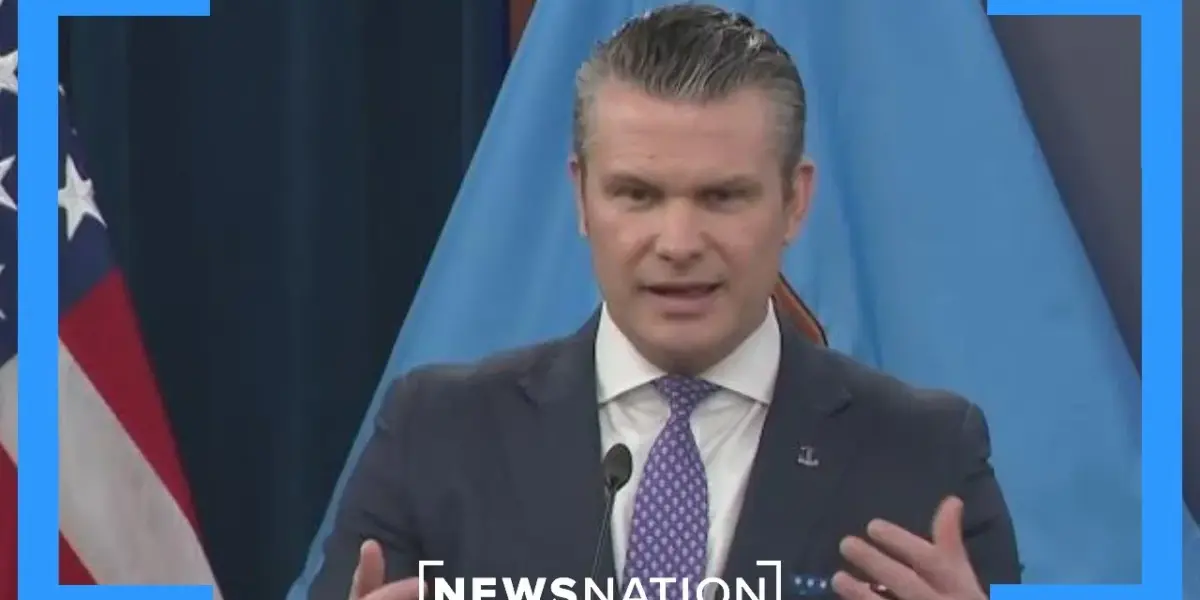
US Mulls Iran Ground War Amid Shifting Alliances
The United States military is preparing for a wide range of actions in Iran, including the possibility of sending troops on the ground. This comes as U.S. forces continue to target Iran’s missile and drone capabilities. The Pentagon stated that B-52 bombers, large and powerful aircraft, are now flying missions over Iraq. This shows the U.S. is focused on destroying the systems that help Iran build these weapons. The effort is happening around the clock, using all branches of the military and even space and cyber warfare.
U.S. Willing to End Conflict Without Full Strait of Hormuz Access
Reports suggest President Trump has told his advisors he is willing to end the current conflict with Iran. He might accept this even if the Strait of Hormuz, a key waterway for oil, remains closed. However, the President has not committed to sending American soldiers into Iran. The Pentagon confirmed that ground operations are an option being considered. Secretary Hegseth mentioned that U.S. forces conducted 2,100 strikes in just one night. He showed a video of a large U.S. attack on an Iranian ammunition depot as proof of progress. He also advised Iran to make a deal with the U.S. If no deal is reached, he warned that U.S. attacks would become even more intense.
Ground Operations Remain a Possibility
The possibility of U.S. troops entering Iran is a significant question. Secretary Hegseth stated that there are 15 different ways U.S. forces could operate on the ground if needed. He emphasized that these options are ready to be used. However, he also pointed out that the U.S. might not need to use them if negotiations succeed or a different approach is found. The goal is to keep Iran guessing about the U.S. strategy. Secretary Hegseth recently visited U.S. troops involved in Operation Epic Fury. While he did not share the exact location for security reasons, he spoke with service members. They expressed a strong desire to succeed in their mission. One airman even asked for larger bombs to use in the fight.
Allies Balk, Sparking U.S. Frustration
The timeline for ending the conflict remains unclear. The Pentagon has not set a specific deadline for the operation. However, the White House previously indicated an expected timeline of four to six weeks. Meanwhile, several U.S. allies are creating new challenges. France, Italy, and Spain have denied access to their airspace and air bases for aircraft involved in the war. This is causing real tension between the U.S. and its allies. President Trump has expressed frustration with countries unwilling to fight alongside the U.S. He specifically urged the United Kingdom to do more to help open the Strait of Hormuz. In a public statement, he suggested allies need to learn to fight for themselves, as the U.S. may not always be there to assist them. He also criticized France for not allowing military supply planes to fly over its territory, calling them unhelpful and warning that the U.S. would remember their actions.
Shifting Alliances and Future Uncertainty
Secretary Hegseth echoed the President’s sentiments, stating that an alliance is weakened when countries are not willing to stand together in times of need. He stressed that this is simply a matter of pointing out a fact. Amid these tensions, President Trump announced that the King and Queen of the United Kingdom will visit the U.S. from April 27th. This state visit is planned to take place soon.
Global Impact
The current situation highlights a growing strain on traditional alliances. When key allies like France and Spain restrict military access, it forces the U.S. to reconsider its partnerships. This could lead to a more fragmented international approach to security. The U.S. may seek new partners or rely more on its own capabilities. The conflict’s potential expansion to ground operations in Iran also raises concerns about regional stability and the risk of a wider war. The economic implications, particularly concerning oil supplies through the Strait of Hormuz, remain a significant factor. Any disruption could impact global energy markets and prices.
Historical Context
Tensions between the U.S. and Iran have a long history, dating back to the 1979 Islamic Revolution. The U.S. has historically sought to counter Iran’s influence in the Middle East, particularly through military presence and alliances with regional rivals. The Strait of Hormuz has been a point of contention for decades, with Iran periodically threatening to close it. The current military actions are part of a broader pattern of U.S. efforts to contain Iran’s nuclear program and regional activities. The reliance on air power, such as B-52 bombers, echoes past U.S. military strategies in the region.
Economic Leverage
The conflict directly impacts global energy markets. The Strait of Hormuz is a critical chokepoint for oil transportation, with about 20% of the world’s oil passing through it. Any closure or disruption could lead to significant price increases. While not explicitly mentioned in the transcript, U.S. sanctions against Iran have also been a key tool of economic pressure. The U.S. aims to limit Iran’s ability to fund its military programs through these economic measures. The success of these sanctions, however, depends on international cooperation, which appears to be wavering.
Future Scenarios
Several outcomes are possible. One scenario is a diplomatic resolution, where Iran agrees to U.S. demands, leading to a de-escalation of military actions. Another is a prolonged conflict, with continued U.S. strikes and potentially ground operations, risking wider regional instability. A third possibility is a further fracturing of U.S. alliances, as countries prioritize their own interests over collective security actions. The U.S. could also shift its focus, becoming less involved in the region if allies do not cooperate. The likelihood of each scenario depends on decisions made by leaders in Washington, Tehran, and allied capitals.
Source: Pentagon keeping all options open, including troops in Iran | NewsNation Live (YouTube)

Related Articles
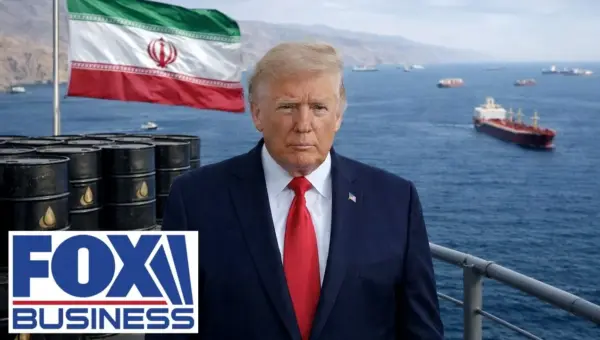
Trump’s Iran Strategy Sparks Fears of High Oil Prices
A report suggesting President Trump might end conflict without reopening the Strait of Hormuz is causing alarm. Experts warn this could lead to sustained high oil prices and disrupt global trade for essential goods like fertilizer and helium.


US Bombers Rule Iran’s Skies as Strikes Intensify
U.S. B-52 bombers are conducting overland operations deep within Iran, indicating a severe degradation of Iranian air defenses. Alongside intensified strikes on Hezbollah and IRGC targets, the U.S. is deploying advanced naval assets and leaving open the possibility of ground operations. The conflict's escalation raises concerns about wider regional instability.

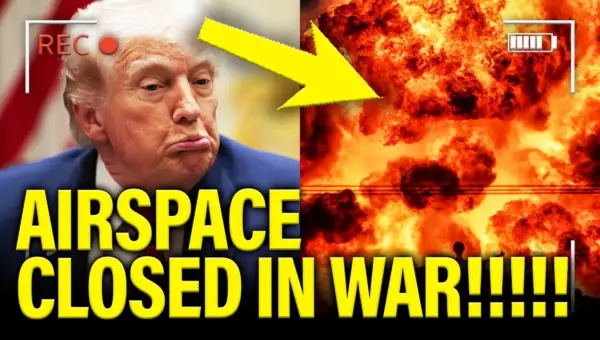
Airspace Closures Spark Trump Fears Amidst Global Tensions
Recent airspace closures by France and Italy reportedly caused significant anxiety for former President Donald Trump. This event highlights how international conflicts can disrupt travel and create widespread unease, affecting even high-profile figures.