US Moves to Secure Mail-In Voting Against Fraud
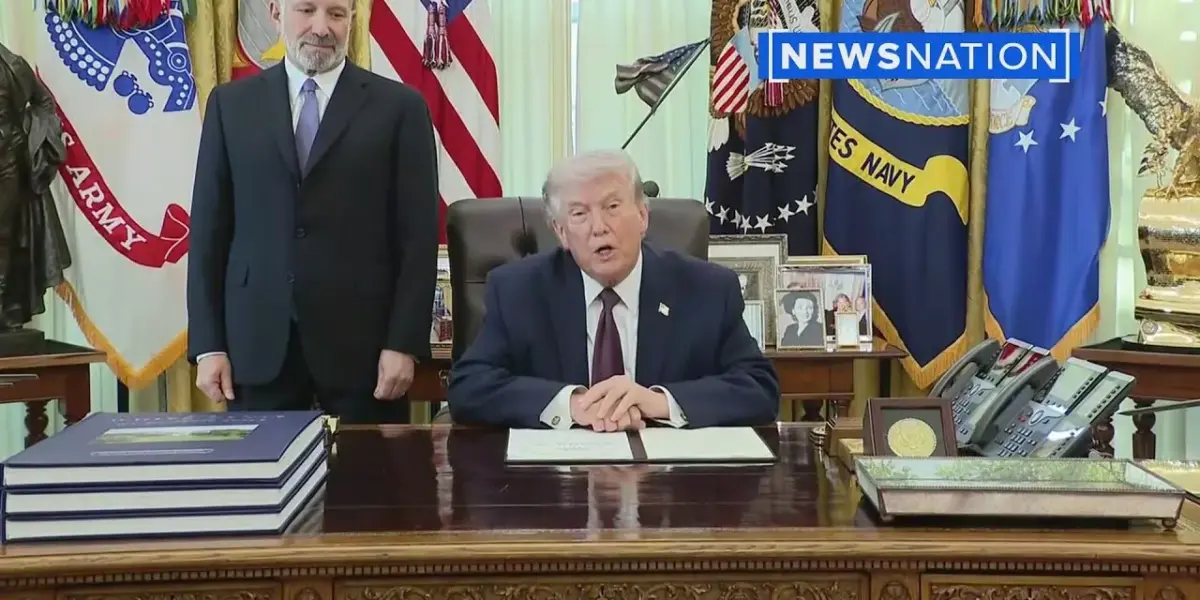
President Trump has signed an executive order to enhance mail-in voting security. The order aims to clean voter rolls and ensure the U.S. Postal Service verifies ballot eligibility and returns. This move seeks to prevent fraud and bolster confidence in election integrity.

US Moves to Secure Mail-In Voting Against Fraud
President Trump announced a new executive order aimed at preventing fraud in mail-in voting. The order focuses on ensuring only eligible voters cast ballots and that these ballots are handled securely. This move comes amid ongoing concerns about the integrity of elections, particularly with the rise of mail-in voting.
Key Concerns Addressed
The executive order targets two main problems in elections. First, it aims to clean up voter rolls. Inaccurate lists can allow people who are not eligible to vote. Second, it addresses concerns about fraud in mail-in voting. This includes ballots being sent to the wrong people or returned by those not allowed to vote.
How the Order Works
The order uses federal data to help state election officials identify who is actually eligible to vote in their areas. This helps ensure only legal voters cast ballots. It also directs the U.S. Postal Service to take steps to verify that mail-in ballots are sent to eligible voters. Additionally, it seeks to ensure that only eligible voters return their ballots.
Howard Lutnick, a participant in the announcement, explained that the U.S. Postal Service would provide a special barcode for mail-in ballot envelopes. This barcode would link one envelope to one vote. This system aims to track each ballot from its origin to its return, providing a clear record and reducing uncertainty about who is voting.
Motivations Behind the Order
The administration views this order as crucial for maintaining faith in the democratic process. President Trump has repeatedly stated that mail-in voting is prone to widespread cheating. He believes that securing these votes is essential for fair elections.
The order also touches on broader election integrity issues. While not part of this specific order, the idea of voter ID and proof of citizenship was mentioned. The President believes these measures are widely supported by voters across party lines, though he claims Democratic leaders oppose them because they want to cheat.
Broader Political Context
The discussion around the executive order also touched on other political issues. President Trump linked opposition to voter ID and proof of citizenship to policies he criticizes, such as open borders and certain social issues. He suggested that opponents of these measures, including Democratic leaders, rely on cheating to win elections because their policies are unpopular.
Potential Impact and Future Scenarios
The executive order aims to make future elections more secure. By addressing issues with voter rolls and the handling of mail-in ballots, the administration hopes to prevent past abuses from recurring. The effectiveness of the order will likely depend on its implementation by federal agencies and cooperation with state election officials.
Global Impact
While this executive order is focused on U.S. domestic elections, the underlying themes of election security and trust in democratic processes are globally relevant. Many countries grapple with similar challenges in ensuring fair and transparent elections, especially as technology and voting methods evolve. The U.S. approach, whether successful or not, could influence discussions and practices in other nations concerning voter integrity and the use of mail-in ballots.
Historical Context
Concerns about election integrity are not new in American history. Debates over voting rights, voter registration, and the security of ballots have been ongoing since the nation’s founding. Different eras have seen different methods of voting and varying levels of trust in the system. The current focus on mail-in voting reflects a recent surge in its use, driven partly by public health concerns and convenience, which has brought old debates about security to the forefront once again.
Economic Considerations
The U.S. Postal Service, tasked with implementing parts of this order, is a critical piece of national infrastructure. Its ability to handle increased volumes of mail and implement new verification processes has economic implications. Ensuring the efficient and secure delivery of ballots is tied to the broader economic function of the postal service. Any disruptions or increased costs associated with these new measures could have ripple effects.
Regional Dynamics
The U.S. federal system means that states largely run their own elections. This executive order seeks to provide federal support and guidance. However, the success of these measures will depend on how individual states choose to implement or adapt to them. This could lead to varying levels of security and different voting experiences across the country, potentially creating new regional dynamics in how election integrity is perceived and managed.
Future Outlook
The long-term impact of this executive order remains to be seen. It is likely to face legal challenges and require significant logistical coordination. Future elections will show whether these measures effectively deter fraud and increase public confidence. The debate over election integrity is expected to continue, with potential for further policy changes and legislative action at both federal and state levels.
Source: Trump calls executive order aimed at mail-in voting ‘foolproof’ (YouTube)

Related Articles
Trump Signs Order: What Does It Mean Now?
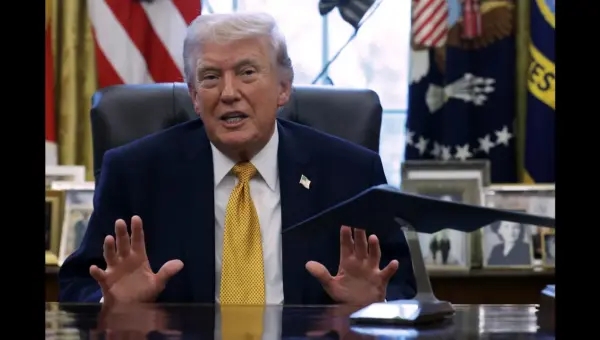
President Donald Trump signed an executive order on March 31st, a significant act that directs federal agencies. Executive orders are powerful tools, acting like directives from the President that carry the force of law. Their impact can be wide-ranging, affecting policy, the economy, and citizens' lives.
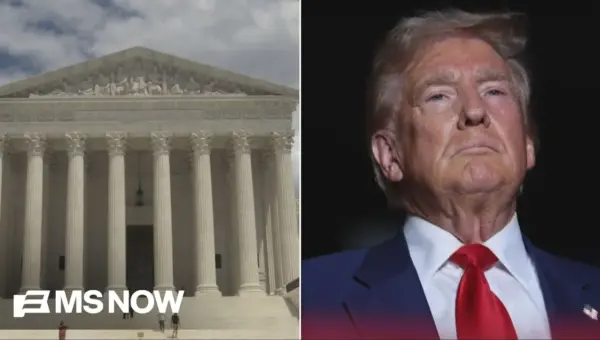
Supreme Court Weighs Birthright Citizenship: A 14th Amendment Showdown
The Supreme Court is hearing arguments on an executive order that seeks to end birthright citizenship, challenging the 14th Amendment. California's Attorney General Rob Bonta is leading a coalition of states arguing the Constitution's language is clear: all persons born in the U.S. are citizens. Experts are hopeful the court will uphold this long-standing principle against historical, and potentially discriminatory, interpretations.
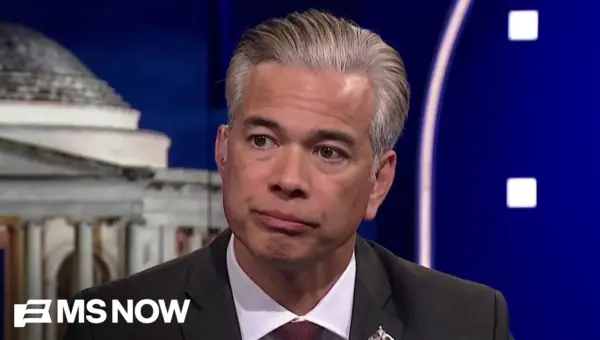
CA AG Slams ICE Deaths, Sheriff’s Ballot Seizure
California Attorney General Rob Bonta condemned the conditions in ICE detention centers following a detainee's death and criticized a sheriff's ballot seizure as a politically motivated "fishing expedition." The comments address concerns over federal immigration practices and local election integrity.