US Military’s Bravery Shines in Daring Iran Airman Rescue
A recent daring rescue of a downed airman in Iran showcased the U.S. military's bravery, intelligence, and unwavering commitment. Retired Navy SEAL Mike Cerelli detailed the immediate response, specialized training, and complex coordination required. The mission highlights the deep covenant between service members: 'Find them, secure them, and bring them home.'

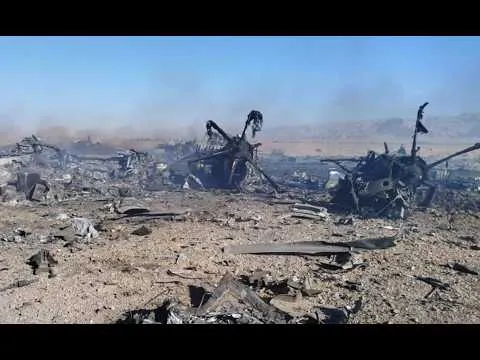
US Military’s Bravery Shines in Daring Iran Airman Rescue
When an American airman goes down behind enemy lines, the clock starts ticking. But for the U.S. military, the response is immediate. A recent rescue mission in Iran showed the incredible bravery and skill of American forces. It brought a downed pilot home safely, highlighting a deep commitment to bringing every service member back.
Mike Cerelli, a retired Navy SEAL and chief talent officer at Overwatch Mission Critical, explained the intense process. He emphasized that while plans are always ready, the actual rescue is a rapid, real-time operation. The moment an aircraft is lost and a pilot is isolated in hostile territory, action begins instantly. This swift response is a testament to the military’s ability to find, secure, and return personnel.
The Critical First Moments
In the case of the pilot rescued in Iran, the initial moments were crucial. While the first pilot was recovered quickly, the second pilot had moved a significant distance from the crash site and gained elevation. This made it challenging to pinpoint his exact location and confirm his identity. However, the military leaves nothing to chance. Special operations forces and the Air Force Combat Search and Rescue community moved with speed, prioritizing the pilot’s safety.
Cerelli stressed that these actions are not just about following a rule. “It is a covenant between brothers and sisters in arms,” he said. This deep bond means putting personal safety at risk to ensure no one is left behind.
Specialized Training for Extreme Missions
The teams that carry out these dangerous missions undergo highly specialized training. The Air Force Pararescue (PJ) community is specifically trained for these worst-case scenarios. They are experts in high-angle recovery, tactical medicine, and extracting personnel even from damaged aircraft. This rigorous training cycle lasts for two years before they become fully qualified PJs.
For this mission, additional special operations forces provided security on the ground. They conducted extensive sweeps of the area until the pilot was located and secured. This layered approach ensures the rescue team can focus on their primary objective: bringing the pilot home.
Pilot Survival: Evasion and Resistance
Pilots themselves are also extensively trained for survival behind enemy lines. They undergo Survival, Evasion, Resistance, and Escape (SERE) training. This course, lasting two to four weeks, teaches vital skills for surviving in isolation, evading enemy forces, and resisting interrogation if captured. It also covers how to escape captivity.
This training is taken very seriously, as lives literally depend on it. Pilots maintain proficiency through regular refresher courses every 18 months. Before every mission, the Combat Search and Rescue plan, or evacuation action plan, is the final part of the pilot briefing. This ensures contingency plans are always at the forefront of their minds. They memorize escape routes and test emergency beacons and communication devices, like the SEaLLi radio, which allows for over-the-horizon communication.
Behind-the-Scenes Coordination
Successful rescue missions require incredible coordination between air assets, ground teams, and intelligence. Even with pre-existing contingency plans, the execution is a near real-time, rapid process. It involves layered operations including intelligence support, electronic countermeasures, and massive armed air support overhead.
In this case, the airspace was heavily stacked with strike aircraft to protect the pilot on the ground and keep enemy forces at bay. This allowed for the safe insertion of recovery forces, including Air Force PJs and likely SEAL Team Six. The deployment of a significant number of troops deep into hostile territory demonstrated the impressive reach and capability of the U.S. military.
A Singular Focus: Bringing Them Home
Cerelli highlighted a key element of these missions: alignment. When a pilot is down, the entire U.S. military focuses on that single priority. “Find them, secure them, and bring them home,” he stated. This mission is guided by that unwavering principle, and the military will stop at nothing to achieve it.
The men who went behind enemy lines were willing to risk their lives, and indeed engaged the enemy, to fulfill this commitment. This mission serves as a powerful example of the courage, intelligence, and dedication of the U.S. armed forces.
Why This Matters
This rescue mission is more than just a successful operation; it’s a powerful statement about military values and capabilities. It underscores the U.S. commitment to its service members, reinforcing the idea that no one is left behind. The complex coordination and bravery displayed highlight the advanced training and sophisticated technology employed by the military. It also serves as a deterrent, showing potential adversaries that such actions will be met with decisive and effective rescue efforts.
Implications, Trends, and Future Outlook
The success of such missions relies on continuous investment in specialized training, advanced technology, and robust intelligence gathering. As geopolitical tensions evolve, the need for rapid, effective combat search and rescue capabilities will only increase. Future operations will likely see even greater integration of artificial intelligence for faster intelligence analysis and drone technology for reconnaissance and support. The emphasis on SERE training will also continue, ensuring pilots and other personnel are prepared for the worst.
Historical Context
The concept of leaving no soldier behind has deep roots in military history. From ancient battles to modern conflicts, the commitment to recovering fallen comrades has been a defining characteristic of effective fighting forces. The development of specialized units like Air Force Pararescue and the evolution of SERE training are direct responses to the lessons learned from past conflicts. These missions build on a long tradition of bravery and sacrifice, adapting to new threats and technologies.
The story of this rescue is a modern chapter in that ongoing narrative of courage, intelligence, and unwavering support for those who serve.
Source: Rescue of Downed Airman in Iran a Display of US Military’s Bravery, Intelligence: Retired Navy SEAL (YouTube)

Related Articles
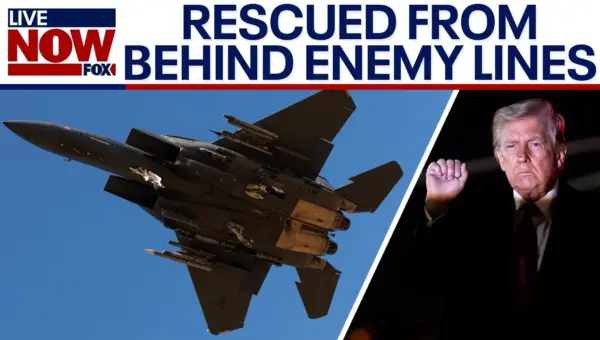
US Rescues Fighter Pilot Deep Inside Iran
The U.S. military successfully executed a daring rescue operation to recover a downed fighter pilot deep inside Iran. The mission involved elite Navy SEALs and a complex strategy, highlighting the military's commitment to saving its personnel in hostile territory.
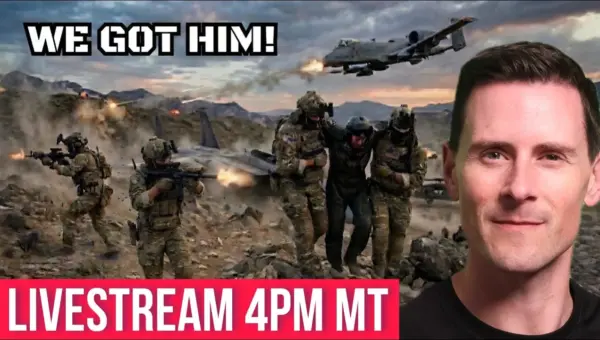
US Forces Stage Daring Iran Rescue of Downed Pilot
Elite U.S. special forces executed a daring rescue of a downed F-15E pilot deep within Iran's Zagros Mountains. The operation involved multiple branches and aircraft, facing heavy resistance. President Trump confirmed the successful recovery, marking a significant behind-enemy-lines mission.
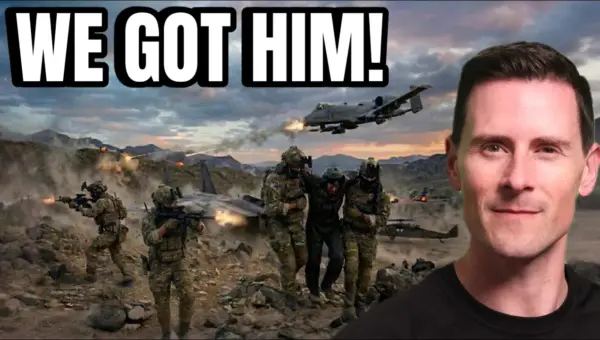
US Commandos Stage Daring Rescue in Iran
U.S. special operations forces executed a daring rescue mission in Iran's Zagros Mountains to extract the second crew member of a downed F-15E fighter jet. The operation involved intense combat and the destruction of U.S. aircraft to prevent enemy capture.