US Military Successes Clash With Political Stalemate in Iran Conflict
The U.S. military has achieved significant operational successes against Iran, degrading key capabilities. However, analysts stress that the primary challenge now lies in the political and diplomatic arena, with domestic unpopularity and regional instability complicating the path to resolution.

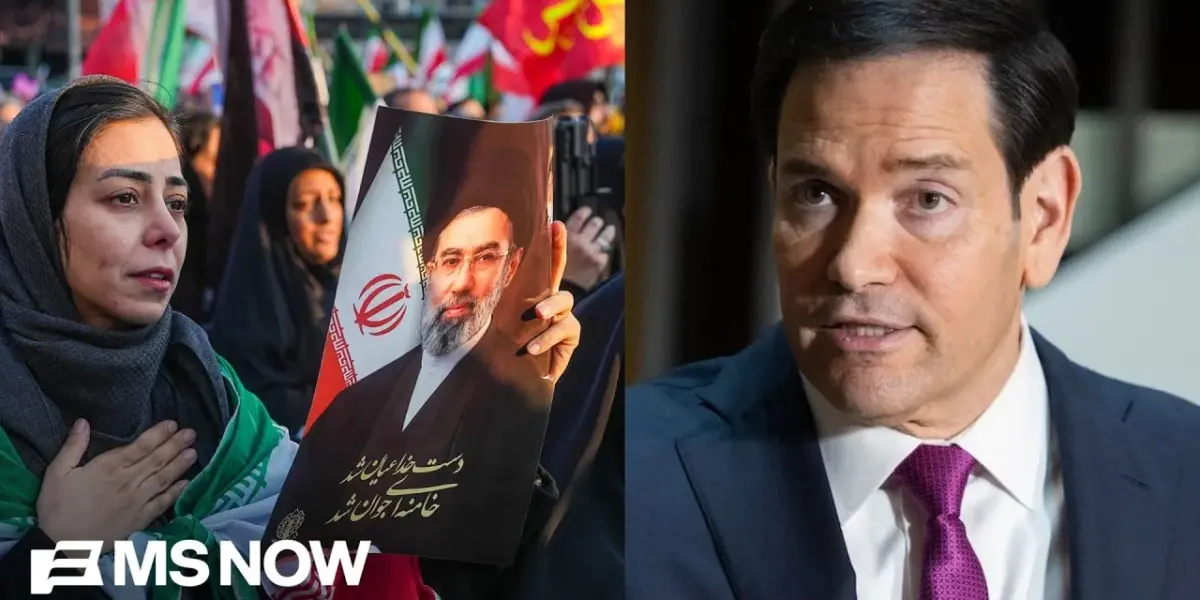
US Military Achieves Remarkable Successes Amidst Political Challenges in Iran Operation
In a complex geopolitical landscape, the United States military has achieved significant operational successes in its engagement with Iran, yet faces considerable challenges on the political front. This dual reality was highlighted in recent discussions, emphasizing that while military objectives have largely been met, the path forward requires robust diplomatic and political strategies. The core mission, as articulated, has been to dismantle Iran’s capacity to launch missiles, destroy their manufacturing capabilities, and degrade their naval and air defense forces. These military actions, described as “extraordinarily successful” by military analysts, have markedly degraded Iran’s offensive capabilities.
Defining Military Victory: Objectives Met, But What’s Next?
The strategic goals of the military operation against Iran have been clearly defined and, according to assessments, largely accomplished. These include neutralizing missile launch capabilities, destroying missile factories, and diminishing the Iranian Navy. “Militarily, it’s been a remarkable military SUCCESS,” one analyst noted, detailing the degradation of nuclear capabilities, missile launch abilities, naval strength, and air defenses. The decapitation of leadership was also cited as a significant military achievement. However, a crucial caveat was raised, drawing parallels to the initial successes in Iraq in 2003, which were later complicated by political and strategic failures. The consensus is that while the military has performed exceptionally, the current challenge lies in the political realm, where a resolution remains elusive.
“Militarily, every military person that’s looked at what’s happened will tell you that this has been extraordinarily successful. Now, we would have said the same thing about Iraq in March and April of 2003. But thus far militarily we’re doing great. Our challenge right now, as the general said, is on the political side.”
The Political Impasse: Unpopular War and Regional Instability
The success on the battlefield is juxtaposed with significant political hurdles. Domestically, the conflict faces waning public support, exacerbated by rising gas prices. Internationally, the emergence of a new, potentially more extreme leader in Iran, coupled with the absence of viable negotiation partners, creates a precarious situation. The conflict is viewed as a regional issue that requires de-escalation, but the lack of a clear diplomatic channel complicates efforts. This creates two distinct realities: a militarily successful operation and a politically stalled resolution, demanding careful consideration and strategic development.
Lebanon Conflict: A Potential Model for De-escalation?
Parallel discussions focused on the conflict in Lebanon, where Israeli military actions have been intense. Israeli officials indicated they were targeting key objectives and expressed a desire to avoid a full-scale ground invasion, recalling the difficult experience of 1982. The prospect of a ceasefire negotiated with Lebanese authorities, including the Lebanese President and Prime Minister, was raised. While the Lebanese state is actively pursuing negotiations, the involvement of Hezbollah, a significant political and military force, adds complexity. The Lebanese government is attempting to assert its authority, though criticism exists that these efforts are coming too late to prevent the conflict.
Regional Concerns: Avoiding an Angry and Wounded Iran
Concerns are mounting among regional allies about the potential fallout from the military actions against Iran. There is a palpable fear that a “battered, bruised, and angry Iran” could pose a long-term threat. Allies are wary of the United States disengaging without a stable political resolution, leaving them vulnerable to a retaliatory and potentially more emboldened Iran. This sentiment underscores the need for a comprehensive strategy that extends beyond military objectives to include robust diplomatic engagement and regional cooperation to prevent further escalation and instability.
The Role of Diplomacy and Accountability
The conversation also touched upon the critical role of diplomacy and accountability in resolving the conflict. While military experts emphasize that ending wars is the purview of politicians, the effectiveness of U.S. diplomacy is questioned, particularly given past experiences where negotiations were allegedly followed by military action. Iran’s past statements suggest a reluctance to engage with the U.S. due to a perceived lack of trust. However, the possibility remains that Iran might re-engage in negotiations for its own survival, potentially using diplomacy to buy time for rebuilding and reasserting control. The issue of U.S. accountability for actions during the war, such as incidents at civilian sites, is also seen as a significant challenge to rebuilding credibility in the region.
“The military knows what they can and can’t do. And what they can’t do is end a war. That’s up to the politicians. And, and to continue to open your sentences like secretary Rubio just did with how great the military is, is a waste of time.”
Looking Ahead: The Path to Resolution
The path forward necessitates a delicate balance between continued military pressure and intensified diplomatic efforts. The involvement of Arab countries in finding a resolution is deemed crucial, as the economic impact of the conflict is significant. The potential for further economic sanctions on Iran, possibly leading to an embargo scenario, raises concerns about the welfare of the Iranian people. Ultimately, the resolution of the conflict hinges on developing a sustainable political strategy that addresses the root causes of instability and ensures the long-term security and stability of the region, while also considering the needs and aspirations of the Iranian populace.
Source: Joe: The U.S. is doing great militarily but our job now is on the political side (YouTube)

Related Articles

Iran’s Shadow: Could Ramstein Air Base Become a Target?
Ramstein Air Base, the largest U.S. Air Force base outside America, is reportedly under heightened security protocols amid escalating tensions involving Iran. Analysts suggest a direct attack on the strategically vital German base is unlikely due to the severe retaliatory consequences.

Inflation Fears Mount as Iran Conflict Fuels Cost of Living Crisis
The UK government is grappling with the escalating cost of living crisis, driven in part by the ongoing conflict involving Iran. Concerns over inflation, energy bills, and food prices are paramount, as mixed signals from international players add to the economic uncertainty. Meanwhile, domestic digital ID plans face a challenging path forward amidst public backlash and limited governmental scope.

US Unleashes Fury: Iran Faces Devastating Strikes
In a significant escalation, the United States and its allies have launched massive strikes against Iran, targeting key military assets and infrastructure. President Trump has issued stark warnings regarding the Strait of Hormuz, threatening severe retaliation if oil flow is disrupted.