US Military Strikes Iran; Ceasefire Fragile, NATO Concerns Grow
A fragile ceasefire between Iran and opposing forces is already facing violations, with the Strait of Hormuz remaining a key point of contention. Meanwhile, President Trump has expressed deep disappointment with NATO's lack of support, fueling discussions about the future of the alliance's role in international security.

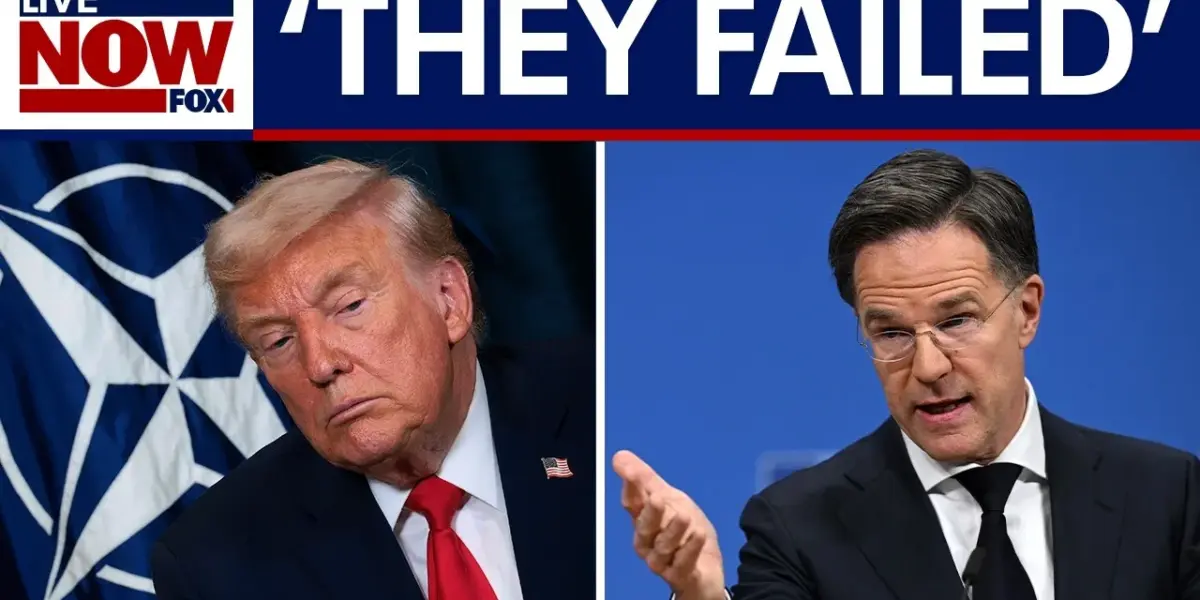
Ceasefire Tested Hours After Agreement
A fragile two-week ceasefire between Iran and opposing forces has already shown signs of strain, just 24 hours after taking effect. Both sides are accusing each other of violating the terms of the deal. A key condition for the ceasefire was the reopening of the Strait of Hormuz, a vital waterway for global oil transport.
Iran’s Stance on Strait of Hormuz
Despite agreeing to a ceasefire and allowing ships to pass through the Strait of Hormuz, Iranian state media reported that the country would block the strait if Israel continued to attack Hezbollah in Lebanon. Iran also proposed a toll of $1 per barrel for oil passing through the strait. A typical oil tanker carries about 2 million barrels.
US Military Operations and Losses
The U.S. military conducted extensive operations, dubbed Operation Epic Fury, striking over 13,000 targets in Iran over 38 days. According to CENTCOM, forces destroyed approximately 80% of Iran’s air defense systems, hitting more than 500 air defense targets, over 450 ballistic missile storage facilities, and 800 one-way attack drone storage facilities. However, these strikes came at a cost to American resources. The U.S. military lost several aircraft, including three F-15E, one A-10, 16 MQ9 Reaper drones, two MC130J transport planes, and four special operations helicopters, totaling over $900 million in losses. Despite these strikes, Iran retains 900 pounds of highly enriched weapons-grade uranium and possesses drones and missiles capable of threatening the Strait of Hormuz.
“A ceasefire is a pause, and the joint force remains ready, if ordered or called upon, to resume combat operations.”
Diplomatic Efforts and Key Issues
Vice President JD Vance, along with Jared Kushner, is set to participate in negotiations in Islamabad. These talks will address critical sticking points between the U.S. and Iran. A major point of contention is Iran’s nuclear enrichment program. The White House has reiterated that nuclear enrichment is a red line for the United States, and President Trump will not agree to any deal that allows Iran to develop material for a nuclear bomb.
Another significant issue is the control and use of the Strait of Hormuz. While the U.S. insists the strait must be fully open and free for passage, Iran’s statements suggest any movement would require coordination with them. This disagreement highlights the fragility of the current ceasefire and the challenges ahead in ensuring stable passage through the vital waterway.
Lebanon’s Role in the Conflict
The White House has stated that Lebanon is not part of the current ceasefire deal. However, there are concerns that Hezbollah, an Iranian proxy group, could reignite hostilities. Israel’s Prime Minister Netanyahu has indicated that Israel will continue to strike Hezbollah, raising questions about whether this could draw Iran back into the conflict.
President Trump’s Concerns Regarding NATO
President Trump has expressed disappointment with NATO allies, stating on Truth Social that the alliance was not supportive when the U.S. needed them and may not be in the future. He hosted NATO Secretary General Jens Stoltenberg at the White House, where he privately conveyed his dissatisfaction. Stoltenberg acknowledged Trump’s concerns regarding the lack of full cooperation from some NATO members on the Iran mission, even though they benefited from its outcomes.
NATO’s Hesitation on Strait of Hormuz Operation
European officials have indicated that NATO is not ready to join an operation to clear the Strait of Hormuz at this time. Their primary concern is the lack of clarity that hostilities have fully ended, and they are unwilling to engage in an active shooting war. While they might assist in a cleanup process after the conflict concludes, they are hesitant to commit to immediate intervention. European leaders reportedly did not authorize Stoltenberg to promise immediate assistance to the U.S. regarding the strait.
Looking Ahead: Economic Impact and Stability
The stability of the Strait of Hormuz is crucial for the global and U.S. economies, particularly concerning oil prices. For the conflict to truly end, there needs to be a resumption of tanker and ship traffic through the strait and a cessation of bombings. The upcoming negotiations in Islamabad will be critical in determining the future trajectory of regional stability and the effectiveness of the current ceasefire.
Source: Trump discusses leaving NATO with Rutte amid Iran ceasefire (YouTube)

Related Articles


Trump Escalates Iran Conflict, Threatens Blockade
Former President Donald Trump has escalated tensions with Iran by threatening to blockade the Strait of Hormuz following failed negotiations led by Senator JD Vance. This move is marked by significant contradictions and raises concerns about global economic stability and the risk of wider conflict.


Trump Blocks Iran’s Oil, Bombers Ready for War
Negotiations between the US and Iran have collapsed, leading President Trump to announce a blockade of the Strait of Hormuz. The US Navy is preparing for potential strikes, with bombers loaded and on high alert.

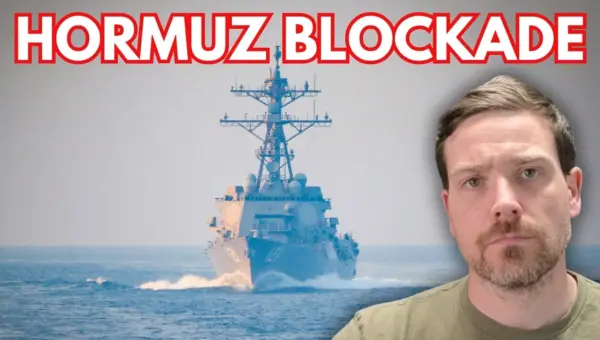
US Naval Blockade Looms as Iran Talks Collapse
Failed U.S.-Iran talks have led to the potential for a U.S. naval blockade of the Strait of Hormuz. Both sides entered negotiations with leverage, resulting in a stalemate. Key sticking points include the Strait's control, enriched uranium, and frozen Iranian assets. The U.S. may need to recalibrate its strategy beyond military pressure.