US Military Prepares Major Actions Against Iran
The U.S. military is executing a robust campaign against Iran with specific objectives expected within weeks. Key actions may include securing the Strait of Hormuz and potentially targeting Kharg Island, Iran's main oil export hub. These moves aim to reshape Iran's regional influence and address nuclear concerns.

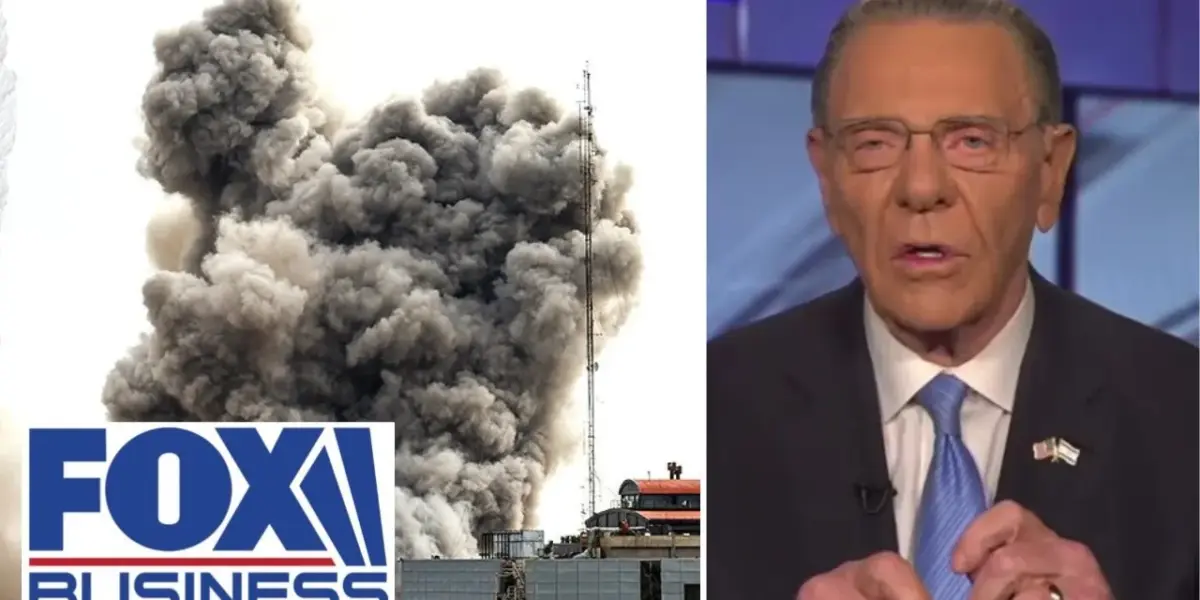
US Military Prepares Major Actions Against Iran
The United States military is actively pursuing a campaign against Iran, with objectives expected to be met within weeks. Senior Strategic Analyst Jack Keane expressed strong confidence in the military’s preparedness and its ability to achieve these goals. This campaign is designed to fundamentally alter Iran’s future role in the region.
Military Objectives and Confidence
Central Command has been assigned specific objectives by the President, and the commander believes they can be achieved in the coming weeks. Similarly, Israeli Defense Forces (IDF) commanders share this confidence in accomplishing their assigned tasks. These combined forces, operating independently but coordinated, are executing a mission that Keane described as a “remarkable undertaking.” While specific details cannot be shared publicly due to adversary concerns, the effectiveness of the campaign is considered high.
Keane suggested that this military effort is likely to end the current conflict on favorable terms for the United States. He stated, “Iran is never going to be the same after we finish with this.”
Reinforcements and Readiness
Amidst ongoing discussions, the U.S. is reinforcing its presence in the Middle East by adding Marines and expeditionary forces. This buildup signals a commitment to maintaining a strong military posture. Keane emphasized that the U.S. remains “locked and loaded,” indicating readiness for action. The approach involves adding forces while simultaneously engaging in peace talks, ensuring that military capabilities are not neglected.
The President has a range of options available, and military commanders are prepared to recommend actions based on the adversary’s behavior. Plans are in motion, but the military must constantly adapt to Iran’s actions. A key expectation is that Iran might attempt to close the Strait of Hormuz. The U.S. military is prepared to counter this by forcing it open and keeping it accessible.
Control of Key Waterways and Economic Assets
The U.S. intends to take control of the Strait of Hormuz and maintain that control for as long as necessary. This action is seen as crucial for regional stability. While not immediately expected to impact oil prices, securing the Strait is a definite objective.
The discussion also turned to Kharg Island, a critical hub for Iranian oil distribution, which handles 90% of the country’s oil exports and contributes significantly to its revenue. Keane suggested that taking control of Kharg Island is a potential option that could put Iran in an economic “checkmate” position. However, he also noted that simply convincing Iran of the U.S. intent to take control might be sufficient to achieve desired outcomes.
The overarching goal of these potential actions is to prevent Iran from continuing to impose its will on the region, a behavior that has persisted for 47 years. The U.S. is on a determined path to end this influence.
Nuclear Concerns and Potential Negotiations
Enriched uranium was identified as a significant concern. The U.S. aims to acquire Iran’s nuclear capabilities through negotiations, requiring Iran to surrender these programs. Enriched uranium is a key component of these capabilities.
If Iran wishes to maintain nuclear power plants, the U.S. would insist on sourcing fuel from external providers, preventing Iran from enriching its own uranium. Current Iranian enrichment levels are reportedly above the acceptable threshold of 3.6% or 3.7%. The U.S. has the capacity to take control of these materials if Iran does not comply.
Engaging with Iranian Military Elements
Keane also touched upon the possibility of engaging with elements of the regular Iranian army, distinct from the ideological Islamic Revolutionary Guard Corps (IRGC). The IRGC is closely tied to the Ayatollah, while the army operates more like conventional military forces in other nations.
There is a belief that leaders within the regular army may not be as ideologically driven as those in the IRGC or the civilian government. The U.S. administration is reportedly exploring communications with individuals below the highest levels of the regime. These efforts aim to identify potential avenues for influence and dialogue within the Iranian leadership structure.
Market Impact
While the direct impact on oil prices from securing the Strait of Hormuz is not immediate, the potential disruption to Iranian oil exports, especially if Kharg Island is targeted, could have significant global market implications. Control over Iranian oil revenue could also influence regional economic dynamics. The ongoing military preparations and potential for escalation create uncertainty, which can affect global markets.
What Investors Should Know
Investors should monitor geopolitical developments in the Middle East closely. Actions related to the Strait of Hormuz and Iranian oil infrastructure could impact energy prices and related stocks. The potential for shifts in regional power dynamics and economic sanctions could also present both risks and opportunities. Understanding the U.S. strategy to curb Iran’s regional influence is key to assessing future market trends in the energy sector and beyond.
Source: Gen Jack Keane: Iran will never be the same after this (YouTube)

Related Articles

U.S. Iran Tensions Rise Amid Shifting Alliances
Rising tensions between the U.S. and Iran are creating a volatile geopolitical situation. With conflicting signals on de-escalation and potential shifts in alliances like NATO and U.S.-Israel relations, the path forward remains uncertain. The global economy and regional stability hang in the balance.


Iran Targets US With Cyberattacks, Escalating Digital Warfare
Iran is increasingly using cyberattacks to challenge the U.S., as seen in a recent hack of the FBI director's account. Experts say this is a strategic shift due to Iran's limitations in conventional warfare. The U.S. needs to strengthen its digital defenses, focusing on encryption and cloud computing, rather than solely relying on traditional security measures.


Iran Hacks FBI Chief, Exposing U.S. Cyber Vulnerabilities
A recent hack of FBI Director Kash Patel's personal email by an Iran-linked group highlights Iran's growing cyber threat to the U.S. Experts explain how simple security oversights are exploited, emphasizing the need for basic defenses like two-factor authentication to protect against propaganda and potential infrastructure attacks.