US Military Near Iran: A Perpetual Conflict Looms?
A military analyst suggests US strategy in Iran could lead to a perpetual cycle of strikes or a high-risk ground invasion. The discussion questions the effectiveness of current approaches to preventing Iran from acquiring nuclear weapons.

US Military Near Iran: A Perpetual Conflict Looms?
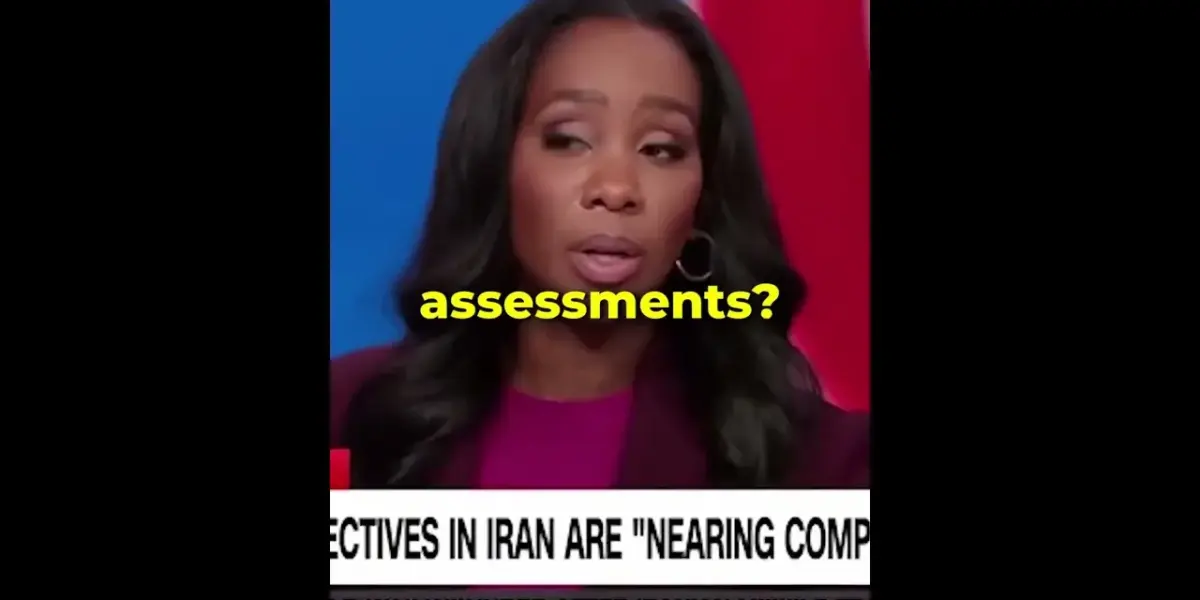
A recent discussion highlighted concerns that US actions in the Middle East might be leading towards a long-term, possibly unending, military engagement with Iran. The core of the issue revolves around the idea of “perpetual oversight” and “perpetual strikes,” suggesting a cycle of conflict rather than a clear resolution.
The military analyst brought into the conversation raised serious questions about the effectiveness of current strategies. He pointed out that setting up systems for constant monitoring of Iran’s activities could lead to a situation where the US feels it must repeatedly strike Iranian targets. This is not a new scenario; such strikes have reportedly happened multiple times in the recent past.
If Iran does not give up its enriched uranium, the analyst warned, the situation could become a “military treadmill.” This means the US might find itself striking Iran every few months. The analyst’s view challenges the idea that past actions, like destroying Iran’s air force or navy, represent significant victories. He described the destroyed air force as “ancient” and noted that the replacement of an older leader with a younger, more extreme one suggests a hardening of Iran’s stance.
The Nuclear Question
A major point of contention is Iran’s pursuit of nuclear weapons. While some might hope Iran will back down, the analyst believes Iran’s current thinking is to speed up its nuclear program. This directly contradicts the idea that the US can simply monitor and deter without further military action.
The discussion touched upon the sheer number of potential targets in Iran, estimated at around 3,000. While missiles might reach many of these, long-range drones pose a significant challenge. The nuclear aspect, however, is the most pressing concern. Achieving this without enriched uranium being removed would require constant surveillance, a “persistent perpetual stare.”
The Cost of Inaction and Action
The analyst laid out a stark choice. One option is continuous monitoring and strikes, a path that seems to invite ongoing conflict. The alternative, he explained, would be a large-scale ground invasion to secure nuclear materials. This would carry “very significant risk to US forces.”
The facility where most of the enriched uranium is stored is 300 meters inland, completely surrounded by mountains. It’s 15 kilometers outside the third largest city in the country. That would require probably a large blocking force, somebody going inside to get it.
Such an operation would involve securing the area and then physically retrieving the materials. The analyst suggested a fundamental trade-off exists between the risk to American soldiers and the necessity of preventing Iran from acquiring nuclear weapons.
Why This Matters
This analysis brings into focus the potential for a protracted and resource-draining involvement in the Middle East. The idea of a “forever war” is a deeply unpopular one, and the prospect of perpetual strikes or a high-risk ground invasion raises significant alarms for policymakers and the public alike.
The situation highlights the complex challenges of international relations and military intervention. Strategies that aim for deterrence or containment can easily slip into cycles of escalation if not carefully managed. The analyst’s perspective suggests that current policies might be inadvertently creating the conditions for such a cycle.
Implications and Future Outlook
The implications of a “military treadmill” scenario are vast. It suggests a continuous drain on financial resources, military personnel, and international goodwill. Such a prolonged engagement could also destabilize the region further, potentially drawing in other actors.
The future outlook depends heavily on diplomatic efforts and Iran’s own strategic decisions. If Iran continues its nuclear advancements, the US and its allies will face difficult choices. The analyst’s assessment points towards a future where the options are either a costly, ongoing low-level conflict or a high-stakes, potentially devastating, confrontation.
Historical Context
The current tensions are part of a long history between the US and Iran, dating back decades. Events like the 1979 Iranian Revolution and subsequent hostage crisis set a precedent for mistrust and animosity. Over the years, various administrations have employed different approaches, from sanctions to direct military action, with mixed results.
The debate over how to handle Iran’s nuclear program is not new. International bodies have worked for years to curb Iran’s capabilities through treaties and inspections. However, these efforts have often been met with resistance or partial compliance, leading to periods of heightened tension and the recurring threat of military intervention.
The analyst’s comments serve as a stark reminder that military solutions often come with significant long-term costs and unintended consequences. The challenge for leaders is to find a path that ensures security without falling into the trap of perpetual conflict.
Source: He Tried It… (YouTube)

Related Articles


Putin’s War Aims: Annihilation, Not Peace
Russia's war aims in Ukraine are centered on annihilation, not peace, according to a former Ukrainian Prime Minister. He describes negotiations as a KGB tactic and highlights Russia's strategic alliance with Iran. Putin's goal is to destroy Ukraine as a state, not to reach a genuine settlement.


Iran Rejects Trump’s War Ultimatum, Sparks Market Chaos
Iran has rejected President Trump's ultimatum regarding the Strait of Hormuz and a ceasefire, demanding long-term security guarantees and reparations. This standoff has led to market volatility and accusations of manipulation, as both sides engage in escalating rhetoric and military posturing.


Iran, Israel Escalate; Gulf Tensions Threaten Global Oil
Israel and Iran are engaged in escalating strikes, threatening the vital Strait of Hormuz oil route. Diplomatic efforts, led by Pakistan, aim to broker a deal to stop the fighting and reopen the waterway. However, tensions remain high, with potential for a global energy crisis.