US Military Language on Iran Sparks Concern, Experts Analyze
US forces have destroyed 18 Iranian ships in Operation Epic Fury, highlighting the diminished state of the UK's Royal Navy, now at its smallest size in centuries. Experts analyze the aggressive US military rhetoric and its departure from traditional prestige-based power projection, raising concerns about long-term geopolitical implications.

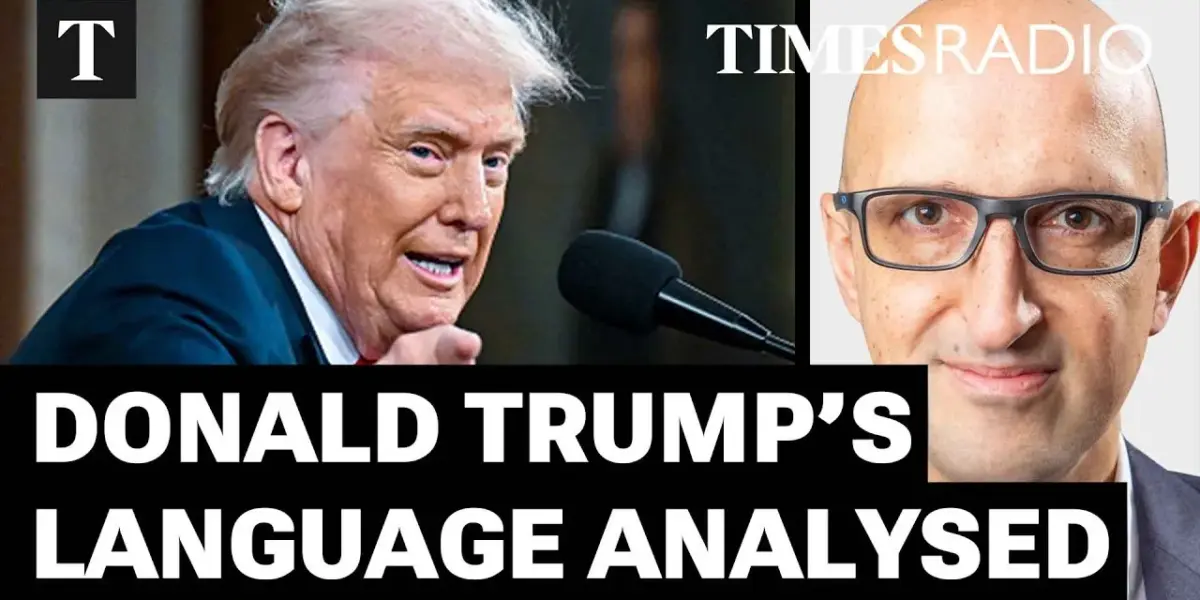
US Forces Destroy 18 Iranian Ships Amid Heightened Tensions
In a significant escalation of regional tensions, the United States has conducted Operation Epic Fury, resulting in the destruction of 18 Iranian naval vessels. This operation has brought into sharp focus the state of the British Royal Navy, which currently has no ships deployed in the region, marking the first time in half a century.
UK Royal Navy Faces Scrutiny Over Reduced Fleet Size
The shrinking size of the British Royal Navy has become a significant point of discussion, with its fleet now at its smallest since the English Civil War. This decline is attributed to years of decreasing defense spending, a trend influenced by public opinion prioritizing other areas of government expenditure and the short-term focus of the electoral cycle. Experts suggest that a historical underestimation of threats and a reliance on technological solutions like cyber defense, rather than traditional naval power, have contributed to this situation. Reversing this trend is expected to be a long and costly process, requiring not only financial investment but also the rebuilding of naval assets and the training of personnel.
“This is always fundamentally comes back to the short-termism of politics and the the electoral cycle and can you go out electioneering or bi-election or an election and say what I’m going to do to you is spend more money on defense or I’m going to put more money in your pocket with a tax break.”
Procurement Inefficiencies Plague UK Defense Spending
Beyond the overall spending levels, questions are being raised about the efficiency of defense procurement within the UK. Historically, the Ministry of Defence (MOD) has been criticized for profound inefficiencies, leading to significant waste. The analogy of an aircraft carrier without aircraft or large-scale IT projects in the NHS that fail to deliver highlights systemic issues within public sector procurement. Experts point to a lack of accountability, where flawed projects are often abandoned with little consequence for those who initiated them, while other countries demonstrate greater efficiency in their defense spending and acquisition processes.
Analysis of US Rhetoric and Power Projection
The language employed by the US government in discussing the conflict with Iran has drawn particular attention. A statement from US Secretary of Defense Pete Hexith, describing Iranian adversaries as “toast,” and the White House’s use of video game imagery blended with actual footage of destroyed Iranian targets, have been highlighted. The operation itself was named “Epic Fury,” a combination of “long and arduous task” and “irrational rage.”
Experts suggest this rhetoric represents a departure from traditional forms of power projection. Referencing research by anthropologists Joseph Henrich and Francesco Gilwhite, the discussion contrasts dominance-based power, relying on fear and subservience, with prestige-based power, which inspires through moral arguments and humility. Historically, the US has largely operated as a “prestige nation,” aiming to inspire through its actions and ideals, even with its hypocrisies. The current language, however, is seen by some as leaning more towards dominance, potentially alienating allies and misrepresenting the nature of the conflict.
“There is a second way of projecting power that the human species uniquely has, which is called prestige dynamics where you articulate a moral argument. You inspire people to come behind you. Um, you show humility. People um come and they’re more open in their posture.”
Concerns Over Religious Undertones in Military Messaging
Adding to the concerns about the US communication strategy are reports of military leaders framing the operations in Iran as a “holy war” or “God’s will.” This echoes past instances, such as President George W. Bush’s “axis of evil” rhetoric, which was later regretted. The use of religious justifications in military messaging is seen as particularly unnerving and starkly contrasts with British sensibilities, where such overt religious framing in political and military discourse is uncommon and generally considered uncomfortable.
Future Implications and What to Watch
The current approach to defense spending, procurement, and military rhetoric carries significant implications for both national security and international relations. The long-term consequences of a diminished naval capacity for the UK and the potential impact of aggressive, dominance-oriented language from the US on global perceptions and regional stability remain critical areas to monitor. As geopolitical landscapes continue to shift rapidly, the ability of nations to adapt their defense strategies and communication to evolving threats and international norms will be paramount.
Source: Trump’s Speech Analysed: The Times Experts Examine The US President’s Language On Iran (YouTube)

Related Articles

Global Conflict Ignites: Iran War Risks Escalation
Retired General Ben Hodges argues that current US actions against Iran lack clear objectives, risking escalation into a global conflict. He highlights the IRGC's true power, divergent US-Israeli aims, and parallels to World War III, urging for strategic clarity and allied cooperation.

House Votes on Trump’s War Powers Amid Iran Tensions
The House of Representatives is poised to vote on a resolution limiting President Trump's war powers concerning Iran. Congressman Joe Neguse highlighted constitutional concerns and contrasted current actions with past presidential military engagements. The interview also addressed allegations of misused taxpayer funds in a DHS contract.
Is World War 3 Already Underway? Major Events Spark Debate
A recent analysis argues that major global events, from the Ukraine invasion to the COVID-19 pandemic, may have already set the stage for World War III. The discussion prompts a re-evaluation of recent history and raises unsettling questions about the current state of global conflict.