US Military Escalates Attacks on Iran, Sinks Naval Vessels
The U.S. military has significantly escalated its campaign against Iran, claiming near control of Iranian airspace and sinking numerous naval vessels, including a destroyer. Simultaneously, thousands of Americans remain stranded in the Middle East amidst ongoing evacuations and heightened tensions. The conflict is also fueling a severe humanitarian crisis in Lebanon, with a rising toll on children.


US Claims Near Airspace Control, Iran Reports Casualties
The United States military announced significant advancements in its ongoing conflict with Iran, reporting that it has struck or sunk a substantial number of Iranian naval vessels since the war began. This development was revealed by top Pentagon officials during a press conference, who expressed confidence in the progress of the military operations. Secretary of Defense Pete Hegseth stated that American attacks will continue, and indicated that the U.S. and Israel are nearing complete control of Iranian airspace. This strategic advantage, he explained, allows forces to deliver “death and destruction all day long.” In response to the escalating strikes, Iran’s Red Crescent Society reported that nearly 1,000 people have been killed by Israeli and American actions. Meanwhile, Iran has continued to retaliate with increasing drone strikes across the Persian Gulf, prompting high alert for American citizens still in the region attempting to return home, as Iran targets U.S. facilities.
Iranian Navy Targeted, Key Vessel Sunk
A significant focus of the U.S. military operation has been on degrading Iran’s naval capabilities. Officials revealed that approximately 20 Iranian vessels have been sunk, destroyed, or otherwise disabled, including one submarine. A particularly notable event was the sinking of an Iranian destroyer in the Indian Ocean by a U.S. submarine. The U.S. Central Command released video footage, reportedly from the submarine’s periscope, showing a large explosion on the stern of a vessel resembling the Iranian ship ‘Dina’. The Sri Lankan Coast Guard had previously reported responding to a distress call from the ‘Dina’, located off its southern coast, where they discovered 80 bodies and rescued 32 crew members. Iran’s Foreign Minister condemned the sinking as an “atrocity at sea,” noting the ‘Dina’ was a guest of the Indian Navy. This incident underscores the expanding scope of military operations, which began as a focused effort within Iran but has broadened due to Iran’s counter-strikes across the region.
Americans Stranded Amidst Evacuations and Rising Tensions
The ongoing conflict has left thousands of American citizens stranded in the Middle East, facing mixed messages from the U.S. government regarding evacuation. While the U.S. government claims to have evacuated over 10,000 Americans from the region, many on the ground report a lack of concrete plans or assistance. In Israel, a trickle of Americans has been leaving by land, undertaking a time-consuming and expensive journey to the Egyptian border, with the intention of crossing into Egypt to find regional flights. Some expressed frustration with the perceived lack of preparedness from the U.S. government. Meanwhile, schools in Israel remain closed, though people are permitted to return to work provided their workplaces have access to safe rooms. The Israeli military has lowered its alert level, but the threat of retaliatory strikes continues to loom.
Shifting Strategy and Prolonged Conflict Expected
Pentagon officials have indicated a shift in strategy, with Secretary of Defense Pete Hegseth suggesting the U.S. is “just getting started.” While initial expectations pointed to a four to five-week operation, administration officials are now hedging on timelines, hinting that the conflict may extend longer. General Kaine, Chairman of the Joint Chiefs, noted that U.S. forces are transitioning from high-end standoff weapons to cheaper, more readily available munitions. The campaign is also expected to move further inland as targets closer to the coastlines are depleted. This suggests a potentially prolonged engagement, with officials suggesting it could last for eight weeks or more, though they emphasize not wanting to place a strict time limit on the operation. The White House has defended the operation, with Press Secretary Karoline Leavitt stating that President Trump made the decision to launch “Operation Epic Fury” based on a “feeling, again, based on fact” that Iran intended to strike U.S. assets in the region. This justification is crucial for addressing potential legal questions regarding the constitutionality of military action without a formal declaration of war or congressional authorization.
Congressional Action and Tribute to Fallen Troops
In a significant political development, the Republican-controlled Senate rejected a war powers resolution aimed at restricting President Trump’s ability to conduct further military action against Iran without consulting Congress. The vote largely fell along party lines, with most Democrats voting to block the President’s authority and one Republican, Rand Paul, joining them. Republicans largely supported preserving the President’s ability to conduct the war. This Senate action is seen as a crucial moment, effectively signaling support for the President’s ongoing military engagement with Iran, even if it falls short of a formal declaration of war or authorization for the use of force.
The human cost of the conflict is becoming increasingly apparent, with emotional tributes emerging for U.S. troops killed in recent Iranian strikes. Six soldiers, including 20-year-old Specialist Declan Cody, Captain Cody, Sergeant First Class Noah Tietjens, Sergeant First Class Nicola Moore, Chief Warrant Officer Robert Marson, and Major Jeffrey O’Brien, lost their lives when a drone hit an operation center in Kuwait. Their families and friends have spoken out about their sacrifices and the profound loss. President Trump is scheduled to attend the dignified transfer ceremony at Dover Air Force Base when the fallen troops return home.
Humanitarian Crisis in Lebanon Escalates
Beyond the direct military engagements, the conflict is fueling a severe humanitarian crisis, particularly in Lebanon. UNICEF reported that in the past 24 hours alone, at least seven children were killed and over 38 injured. Nearly 60,000 people, including 18,000 children, have been displaced within Lebanon, adding to the tens of thousands already uprooted. Dozens of the over 300 shelters across the country have reached full capacity. UNICEF is actively responding by deploying mobile health teams to ensure children have access to basic healthcare, vaccinations, and psychosocial support. The escalating violence, stemming from exchanges between Hezbollah and Israel, is taking a devastating toll on children, who are losing access to education, healthcare, and safe living environments. UNICEF is calling for the protection of children and emphasizing that they should not be considered collateral damage in the conflict.
Source: LIVE: NBC News NOW – March 5 (YouTube)

Related Articles

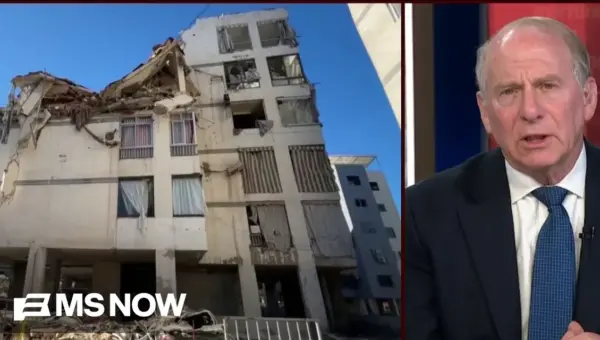
US Rethinks Iran Strategy Amid Escalating Regional Conflict
The U.S. is reportedly gaining air superiority over Iran amidst escalating regional conflict, prompting a critical reassessment of its strategic goals. As military operations continue, questions arise about the definition of success, potential regime change, and the long-term stability of the Middle East.

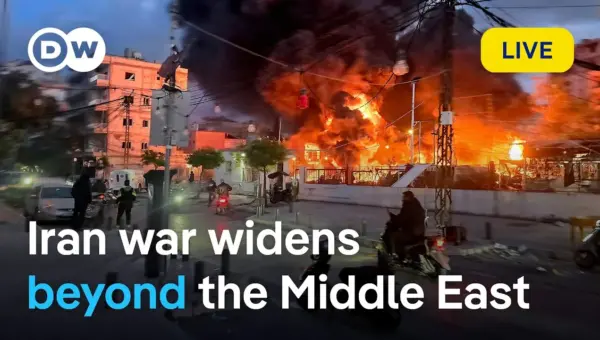
Iran Conflict Escalates: Global Repercussions Felt in Europe, Ukraine
The escalating conflict involving Iran is creating a volatile international landscape, with repercussions now being felt across Europe and impacting the war in Ukraine. Concerns are mounting over potential disruptions to global trade and energy supplies. The coming weeks will be critical in determining the path towards de-escalation and global stability.


Gen Z Questions Foreign Policy Amidst Iran Conflict
Defense Secretary Pete Hegseth faced criticism for downplaying media coverage of the Iran conflict, while young voters express a mix of support and unease. Gen Z's skepticism towards institutions and a desire for stability shape their nuanced views on foreign policy.