US Military Aims Achievable, Iran Political Future ‘Fuzzy,’ Says Ex-Advisor
Former Trump advisor Joel Rayburn stated that while US military objectives in Iran are achievable, the political outcome remains uncertain. Rayburn noted that Iran's regime is under immense pressure and could be nearing collapse. The potential closure of the Strait of Hormuz remains a key concern, with military assets being deployed to ensure its openness.

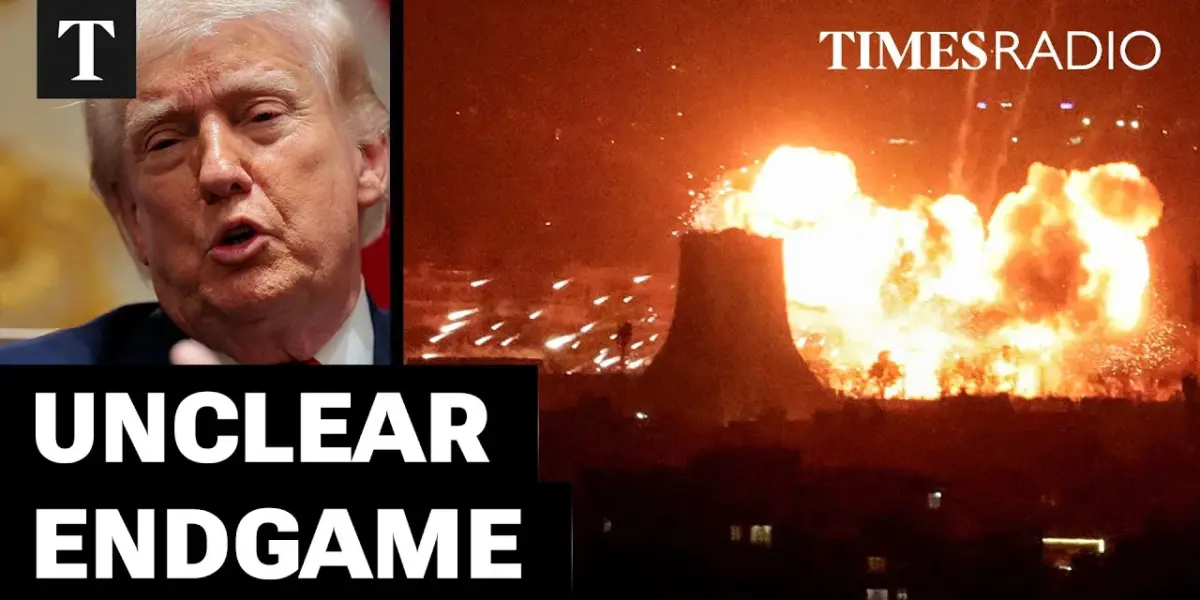
US Military Objectives Clear, Political Outcome Uncertain in Iran Conflict
WASHINGTON D.C. – While the U.S. military’s objectives in its conflict with Iran appear achievable, the ultimate political outcome remains unclear, according to a former advisor to President Donald Trump. Joel Rayburn, who managed Iran policy during Trump’s first administration, stated that military goals such as destroying Iran’s missile and drone programs, navy, and air force are well underway. However, he described the political end-state as “fuzzy.” This assessment comes amid reports of U.S. troops gathering in the Persian Gulf and President Trump extending a delay on attacking Iran’s energy infrastructure by ten days. Trump continues to claim that peace talks with Iran are progressing positively, a notion seemingly at odds with falling stock markets and rising oil prices.
Military Goals: Destroying Capabilities
Secretary of State Marco Rubio, speaking at a G7 meeting in France, reiterated the U.S. mission’s objectives. “We’re going to destroy their factories that make missiles and rockets and drones. We’re going to destroy their navy. We’re going to destroy their air force,” Rubio stated. He emphasized that these goals are being met ahead of schedule and can be achieved without deploying ground troops. The U.S. military is actively moving assets into the region to support a potential maritime operation to reopen the Strait of Hormuz, a vital global shipping lane. Aircraft like the A-10 and Apache gunships are also being used to clear coastal areas near the strait, pushing threats further away from the coast.
Political Future: Regime Collapse or Stability?
Rayburn, speaking on a news program, confirmed that the military objectives are indeed possible. “Eliminating the nuclear program, eliminating the Iranian regime’s ability to use missiles and drones… I think that can be well on its way to being accomplished,” he said. However, he expressed uncertainty about the political future. “The political endstate is more fuzzy though.” While Trump initially suggested regime change as a goal, Rayburn believes regime collapse is a possibility within weeks. He noted that the Iranian regime is under immense pressure, possibly more than it has faced since 1979, and may be more brittle than previously thought. “I suspect not very,” Rayburn said when asked about the regime’s resilience. He added that the loss of top leadership layers has significantly weakened the government.
The Strait of Hormuz: A Critical Chokepoint
The potential closure of the Strait of Hormuz has been a significant concern. Rayburn dismissed the idea that the U.S. military had not planned for such a contingency. “The U.S. military has been planning for that for that contingency for two decades,” he asserted. He explained that the assets being moved into the region are designed to force the strait open militarily. Ground troops, while not the sole solution, would play a crucial role in an amphibious assault. They could seize islands, port facilities, and threatening vessels, thereby securing the waterway. Rayburn believes it is strategically important for the U.S. not to end the conflict with Iran asserting control over this international waterway. He suggested that an international coalition might be needed to ensure its security long-term.
Broader Implications and Public Concern
The conflict’s impact is already being felt globally. Soaring oil prices and sliding stock markets reflect investor anxiety. Reports of fuel shortages at some stations in the UK have also surfaced, adding to public concern. While President Trump maintains that talks are going well, market reactions and public observations suggest a different reality. The U.S. military’s stated objectives focus on neutralizing Iran’s offensive capabilities, aiming to prevent future threats without engaging in a prolonged ground war. The success of these military aims, however, does not guarantee a stable political resolution, leaving the long-term outlook uncertain.
What’s Next?
As the ten-day delay on attacking Iran’s energy infrastructure nears its end, the world watches closely. The effectiveness of the military actions taken so far and the ongoing diplomatic efforts will determine the conflict’s trajectory. Key questions remain about the Iranian regime’s resilience, the possibility of its collapse, and the establishment of lasting stability in the region. The U.S. strategy hinges on achieving military objectives while navigating a complex and uncertain political landscape.
Source: US Military Objectives Are Possible, But The Political Plan Is ‘Fuzzy’ | Former Trump Advisor (YouTube)

Related Articles


Polls Reveal Deep Voter Concerns Over War, Economy for Trump
Recent polls and political analysis suggest President Trump faces significant challenges due to voter concerns about the prolonged conflict in Iran and the struggling economy. Republicans are growing anxious as these issues impact the president's standing, while Democrats see an opportunity to present themselves as a more stable alternative.


US Weapons Stockpiles Drained by Iran Conflict
The U.S. faces a significant depletion of its weapons stockpiles, particularly interceptors, due to the ongoing conflict with Iran. While production is being ramped up, it will take years to meet current demand, raising concerns about long-term sustainability. Gulf allies are also experiencing critical shortages of essential munitions.


Heated Cabinet Meeting Exposes Media-Trump Dance
A recent televised cabinet meeting saw Pete Hegseth clash with the media over reporting on Iran, calling the operations a "pure American success." Critics argue these meetings are performative and question the narrative of success, citing potential troop involvement and ongoing Iranian defiance.