US Military Agility Shines in Daring Iran Rescue Mission
A daring U.S. military rescue from Iran showcases the force's agility and resolve. Retired PJ Steve Nispit details the mission's extreme risks and the survivor's incredible fortitude. The operation highlights the military's commitment to bringing personnel home, while Nispit connects these lessons to vital veteran support.

US Military Agility Shines in Daring Iran Rescue Mission
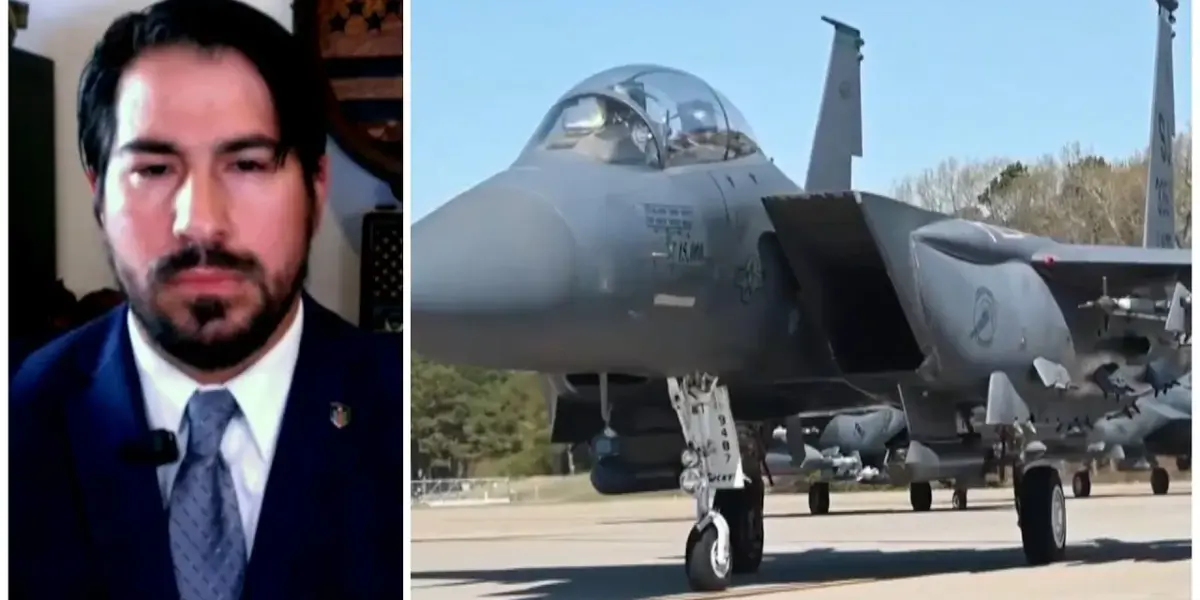
A recent operation to rescue a downed U.S. airman from Iran highlighted the remarkable adaptability and resolve of the American military. Retired Air Force Pararescue specialist Steve Nispit explained the complexities and dangers involved in such missions, emphasizing the military’s ability to quickly adjust tactics when faced with evolving threats.
The Challenge of Hostile Territory
Executing a rescue inside enemy territory like Iran is incredibly difficult. Nispit noted that for the first airman rescued, the mission involved a daytime operation using multiple aircraft, including helicopters and C-130s. A small team of pararescue jumpers (PJs) performed a high-risk “snatch and grab” maneuver. This operation faced threats from surface-to-air missiles, anti-aircraft artillery, and small arms fire. The aircraft involved were reportedly damaged, making them unable to return for a second rescue.
Agility in Action: The Second Rescue
The successful rescue of the second airman demonstrated the U.S. military’s agility. When the initial plan for the first rescue was no longer viable, the military rapidly shifted gears. They quickly organized a specialized special operations force, typically used for high-value targets and hostage rescues, to undertake the mission. This quick pivot showcases the military’s ability to adapt and deploy the right assets for a unique situation.
The military’s ability to quickly turn a specified rescue force, help them recover, and then spin up a unique special operations force demonstrates incredible agility.
Tactical Patience and Constant Vigilance
The operation for the second airman involved “tactical patience.” A stack of aircraft remained overhead, monitoring every movement of the downed airman. This constant watch ensured his safety and provided real-time intelligence, even if the airman himself was unaware of the full extent of the surveillance.
Risks on the Ground
The risks for rescue teams are substantial. As they approach the target area, they face threats like small arms fire, AAA, and surface-to-air missiles. A primary concern for any pararescue team leader is the possibility of a “SAR trap” – an enemy ploy using a false beacon to lure rescue forces into an ambush. While technology helps prevent this, it remains a significant danger. The second rescue also involved a unique force with special operators, pararescue jumpers, and combat controllers. These individuals are trained to establish desert airfields and even call in airstrikes, a dual capability that highlights their versatile skill set.
The Survivor’s Mental and Physical Fortitude
Surviving for 48 hours behind enemy lines requires immense mental and physical strength. All pilots undergo rigorous Survival, Evasion, Resistance, and Escape (SERE) training. This training equips them with checklists and procedures for survival. The first 24 hours are critical, allowing for a faster response before the enemy can fully mobilize. After that, survivors must evade detection by staying away from populated areas and main roads, seeking out the most remote and inconvenient locations.
The airman’s survival on a ridgeline, a difficult and remote location, underscores the importance of this evasion. It required specialized equipment and techniques, like rope rescue systems, to extract him. The mental fortitude needed to remain hidden while being the “most wanted man on the planet” is extraordinary. This involves shedding identifying gear and blending in as much as possible.
What This Rescue Shows About U.S. Military Capability
This successful rescue powerfully illustrates the U.S. military’s capabilities. It shows a willingness to fly into dangerous territory, even during the day, and risk the lives of many to ensure one hero returns home safely. Nispit emphasized that the PJs on board were certain they might not return, highlighting their incredible dedication. These individuals are not only capable of complex combat rescues but also perform vital civilian search and rescue missions domestically, such as responding to bear maulings or downed aircraft incidents.
The resolve shown in risking all these people’s lives to make sure this one person comes back alive is a testament to the military’s commitment to leave no American behind.
Lessons Learned: From Rescue to Veteran Support
Nispit, founder of Shields and Stripes, shared how his experiences as a PJ informed his current work supporting veterans. After multiple deployments and dealing with symptoms of PTSD and brain injuries, he recognized the unique, integrated care available within special operations units. This included access to strength coaches, physical therapists, dietitians, psychologists, and neuropsychologists, all working together. He saw that many conventional veterans and first responders lacked similar comprehensive support systems.
His organization aims to replicate the successful care models he experienced. This is crucial because veterans and first responders are significantly more likely to encounter traumatic events. By applying lessons learned from elite military operations, Shields and Stripes provides vital resources to those who have served, ensuring they receive the care and support they deserve.
Source: Rescue of 2nd US Airman From Iran Shows Agility of US Military: Retired Airman (YouTube)

Related Articles


Trump’s Iran Stance: Military Might Meets Economic Reality
President Trump is demanding the reopening of the Strait of Hormuz as indirect talks with Iran continue without a deal. Meanwhile, the U.S. economy shows surprising strength with robust job growth and stable markets, while oil prices are expected to decline.


US Rescues Pilots in Daring Iran Mission, Trump Warns Tehran
President Trump detailed a daring U.S. military rescue mission that successfully recovered two pilots downed in Iran. The operation, described as 'historic,' involved complex tactics and significant risks. Trump also issued a stern warning to Iran, signaling continued U.S. military pressure.


Trump Threatens Iran With ‘Complete Demolition’ By Deadline
President Donald Trump has issued a severe ultimatum to Iran, threatening "complete demolition" of its infrastructure by midnight. The warning follows the successful rescue of two U.S. pilots and comes amid ongoing diplomatic tensions and Iran's rejection of a ceasefire proposal.