US Military Action in Hormuz Strait Deemed Unworkable
President Trump is reportedly realizing that military action in the Strait of Hormuz is not a viable solution due to prohibitive costs and risks. Experts warn that ground operations would be disastrous and ineffective, urging a focus on diplomacy to secure a face-saving deal.

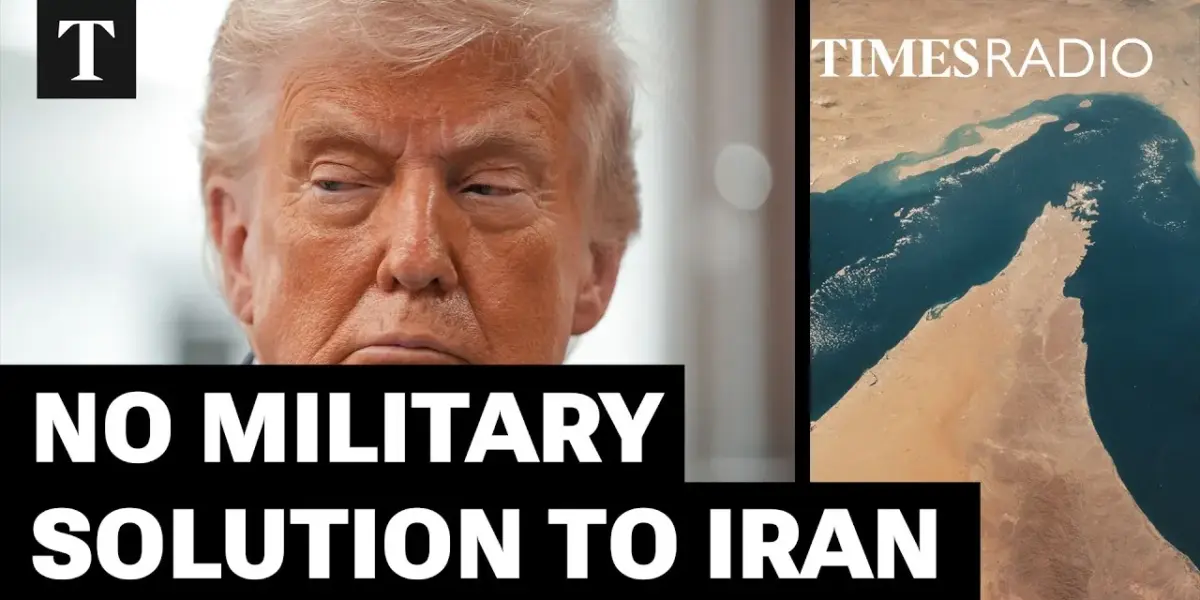
Trump Realizes Military Path in Hormuz Strait is Unviable
The United States is reportedly facing a critical juncture regarding military action in the Strait of Hormuz, with President Trump now understanding that a forceful military solution to control the vital waterway is not a viable option. This realization comes amid escalating tensions and a recognition that the costs, risks, and potential human casualties of such an operation outweigh any conceivable benefits.
Diplomacy Efforts Stall Amidst Vastly Different Goals
Despite claims of diplomatic efforts and postponed ultimatums, genuine negotiations between the U.S. and Iran appear unlikely. The two sides remain far apart on their objectives, making a mutually acceptable agreement highly improbable. The core issue remains control of the Strait of Hormuz, a chokepoint critical for global commerce.
“Everything still comes down to control the Hormuz. And I fear that we may say okay we’ll try to break things loose. The bombs aren’t working. So, let’s have a ground operation somewhere… That won’t work. That’s even if you succeeded, it’s not going to change the dynamic anywhere. And all it’s likely to do is get a lot of Marines and soldiers killed.”
Ground Operations Deemed Ineffective and Costly
Experts suggest that any attempt to force open the Strait of Hormuz through ground operations, such as seizing territory on islands like K Island or other strategic locations, would be disastrous. Such missions, even if successful in capturing a small area, would not alter the overall dynamic and would likely result in significant loss of American lives. Furthermore, sustaining any captured territory would be incredibly difficult against continuous Iranian attacks.
Historical Miscalculations and Iran’s Leverage
The current situation is seen by some as a result of historical miscalculations, including the rejection of a potentially better deal with Iran before the current conflict. The U.S. administration’s belief that bombing a country of 93 million people into submission is a feasible strategy is questioned, as history shows such tactics rarely succeed and the U.S. lacks the necessary resources for such an endeavor.
Iran, conversely, now holds significant leverage due to its physical control over the Strait of Hormuz. This allows them to influence terms that could include reparations and security guarantees, demands that are currently difficult for the Trump administration to consider.
Limited Troop Deployments Offer Little Strategic Advantage
The deployment of approximately 10,000 ground troops, including special forces, paratroopers, and Marines, is considered insufficient to compel submission from Iran. Iran, with a much larger territory and terrain advantages, could mobilize far greater numbers to counter any U.S. ground presence. Seizing specific targets like airfields or islands would offer minimal strategic gain while making U.S. forces vulnerable and requiring extensive logistical support.
K Island Seizure: A Risky Gamble with Low Probability of Success
The idea of seizing K Island as an economic bargaining chip is viewed as a historically flawed strategy. Despite suffering heavy casualties during the Iran-Iraq War, Iran did not yield. Furthermore, Iran possesses alternative methods for oil export, and the military task of taking, holding, and sustaining K Island is considered extremely difficult. Analogies are drawn to Ukrainian operations in 2023, where territorial gains could not be sustained against determined opposition.
The Path Forward: Seeking a Face-Saving Deal
Given the unworkability of military solutions, the focus must shift to achieving the best possible deal with Iran. While President Trump cannot concede to all Iranian demands, finding a face-saving way to de-escalate is crucial. This could involve third-party security guarantees that satisfy Iran, allowing President Trump to claim concessions. The priority is to end the conflict, reopen the Strait of Hormuz, and restore global commerce, which includes vital commodities like oil, natural gas, and fertilizers.
Escalating the conflict with ground operations is seen as the worst possible course of action, promising only further cost and minimal gain. The situation requires a strategic shift towards diplomacy and negotiation to avert a potentially larger disaster.
Source: Trump Now Realises Military Action On Strait Of Hormuz Won’t Work | Lt Col Daniel Davis (YouTube)

Related Articles

MN AG Blasts Trump’s ‘Wicked’ Insults Amid ‘No Kings’ Protests
Thousands protested President Trump's policies nationwide, with Minnesota AG Keith Ellison condemning his "wicked" and "corrupt" nature. Ellison also discussed a state lawsuit against the federal government over withheld evidence in officer-involved shootings.


Trump’s War Strategy Faces Skepticism Amidst Shifting Goals
President Trump's strategy in the ongoing Middle East conflict is facing increasing skepticism, even from his own base. While military actions have seen success, strategic goals are unclear and diverging from allies like Israel. The prolonged war and shifting public perception are creating a sense of uncertainty and doubt.

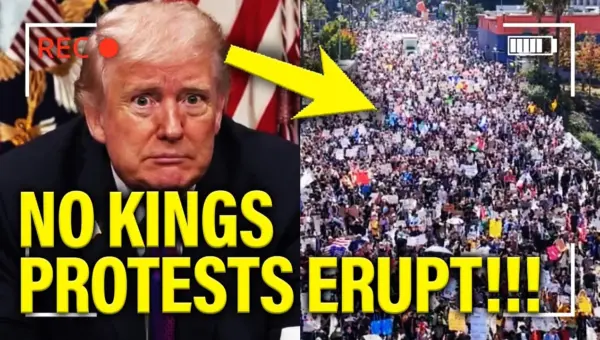
Protests Challenge Trump’s Grip as ‘No Kings’ Movement Grows
Massive 'No Kings' protests swept the nation, challenging the Trump administration and advocating for democratic values. Organizers highlighted growing support and a shift in protest tactics, positioning the movement as a force for positive change.