US Midterms: Economy, Not War, Dominates Voter Concerns
Voters in the upcoming US midterm elections are prioritizing economic concerns, like gas prices, over foreign policy issues. Despite ongoing international conflicts, domestic economic stability appears to be the main driver of voter sentiment, potentially influencing election outcomes more than global events.

Economy Outshines Foreign Policy in US Midterm Election Calculus
As the United States heads into midterm elections, a key question is how global events will influence voters. While a war in Iran has dominated headlines, its direct impact on voter choices appears limited. Instead, the economy, particularly gas prices, is emerging as the most significant factor shaping public opinion. This suggests that domestic economic concerns will likely play a far greater role than foreign policy in determining election outcomes.
War’s Indirect Economic Ripple Effect
The conflict in Iran, while a serious international issue, is not a primary driver for most American voters deciding how to cast their ballot. Exit polls from the 2024 presidential election showed foreign policy was the deciding issue for only 4% of voters. Notably, a majority of those who did prioritize foreign policy were Republicans. However, the war’s indirect impact on the U.S. economy is undeniable.
The conflict has directly affected global oil markets, leading to higher gas prices. This economic pressure point is highly visible to voters and is a major source of public dissatisfaction. The closure of the Strait of Hormuz, a vital shipping lane, has further exacerbated these concerns. The administration is reportedly focused on resolving these issues quickly to ease economic pain before the midterms.
Gas Price Threshold for Political Survival
A critical question is how quickly gas prices need to fall for the incumbent party to fare well. Historically, gas prices have fluctuated, and voters’ memories can be short. For example, four years prior, sanctions on Russian oil following the conflict with Ukraine caused prices to surge. However, prices eventually decreased by the summer, and public concern subsided.
President Trump’s administration also navigated energy challenges by securing Venezuelan oil. These past events show that administrations have various tools to manage energy supplies and prices. By mid-summer, as the midterm campaign season ramps up, current economic conditions will likely solidify in voters’ minds. There is limited time for perceptions to change significantly between mid-summer and election day in November.
Divergent Polls Signal Complex Political Landscape
Current polling presents a mixed picture. Democrats are expressing confidence, citing successes in special elections. However, the President’s approval ratings are historically low, with only about 36% approving and 60-62% disapproving. This suggests a challenging environment for the president’s party.
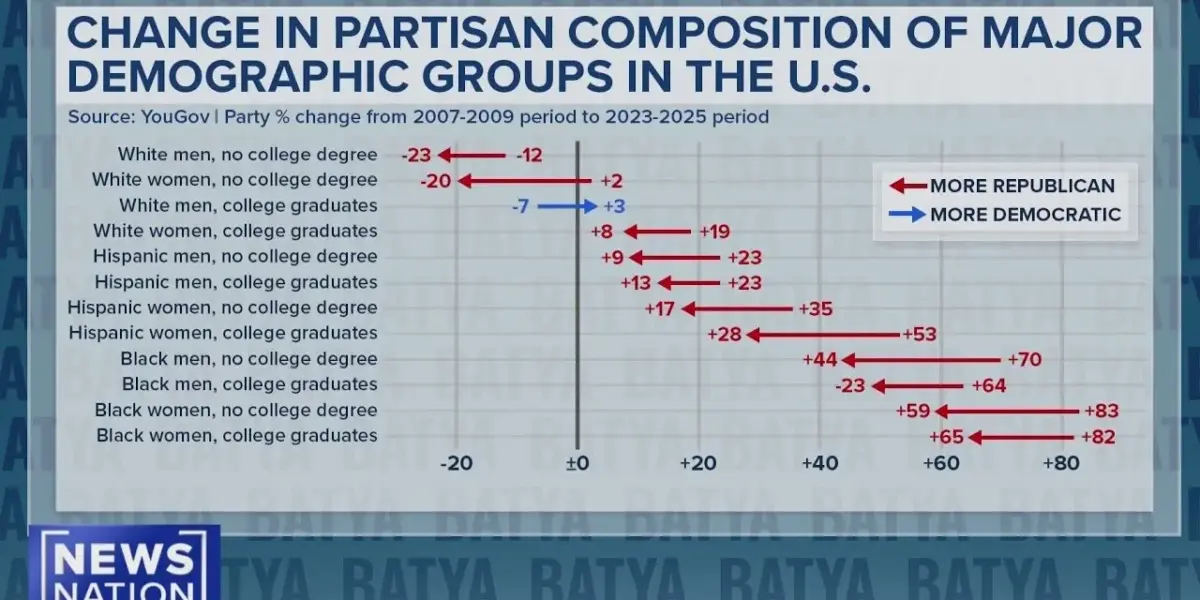
A YouGov survey from 20 years ago highlights demographic shifts, showing most major groups moving towards the Republican party, with the exception of white men with college degrees. This indicates a broader trend of voters shifting rightward. While the president is not directly on the ballot, he is actively endorsing many candidates, effectively making his presidency a central theme.
Understanding Democratic Voter Base
Despite low presidential approval, the Democratic party may not suffer as much as expected. Many voters expressing dissatisfaction with Democrats are hardcore partisans who feel the party is not fighting hard enough. These voters often criticize party leaders, like Chuck Schumer, for being too weak. This frustration can lead to political actions, such as government shutdowns or airport disruptions, as leaders try to prove their toughness to their base.
However, these actions often do not achieve significant policy goals and leaders eventually back down. The underlying motivation for such displays may be to secure leadership positions rather than enact policy. Crucially, these voters are deeply loyal Democrats who are unlikely to vote for Republicans. Therefore, their dissatisfaction might be internal party debate rather than a sign of widespread rejection of the party itself.
The ‘Governing Penalty’ and Historical Midterm Trends
There is a well-documented phenomenon known as the ‘governing penalty’. This means that voters unhappy with the general state of affairs tend to blame the party in power. Historically, the president’s party consistently loses support in midterm elections. This pattern suggests that Republicans might expect gains in the upcoming midterms.
Choice vs. Referendum Election Strategy
The strategy for each party will be crucial. Republicans, led by figures like Donald Trump and the MAGA movement, aim to make the election a clear choice between their vision and the current administration. They want voters to actively choose them.
Conversely, Democrats will likely try to frame the election as a referendum on the incumbent party and its performance. This strategy is historically more effective for parties seeking to gain seats in the midterms. However, there have been instances where parties have managed to defy these historical trends, suggesting that outcomes are not predetermined.
Global Impact
The focus on domestic economic issues over foreign policy in the U.S. midterms has significant global implications. It suggests that international conflicts, even those involving major powers like Iran, will only influence American voters if they directly impact their wallets. This could embolden authoritarian regimes to pursue aggressive policies, believing that global stability is secondary to American domestic economic concerns.
Furthermore, it highlights a potential disconnect between U.S. foreign policy objectives and the priorities of its electorate. If economic stability is the sole determinant of electoral success, future administrations might be less inclined to engage in costly international interventions or sanctions, even when strategically necessary. This could reshape alliances and alter the global balance of power as other nations adjust to a potentially less interventionist United States.
Source: Bad polling for Democrats may not hurt them in midterms: GOP pollster | Batya! (YouTube)

Related Articles

Millions Protest Trump Administration Amidst Economic Woes
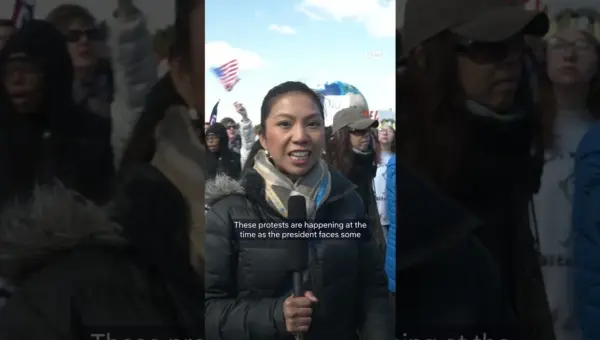
Millions of Americans are protesting the Trump administration nationwide over rising gas prices and the conflict in Iran. The "No Kings" movement spans all 50 states, with participants citing economic hardship and foreign policy as key concerns. The protests come as President Trump faces declining approval ratings, raising questions about their potential impact on upcoming midterm elections.
Presidential Gaffes Raise Questions About Leadership
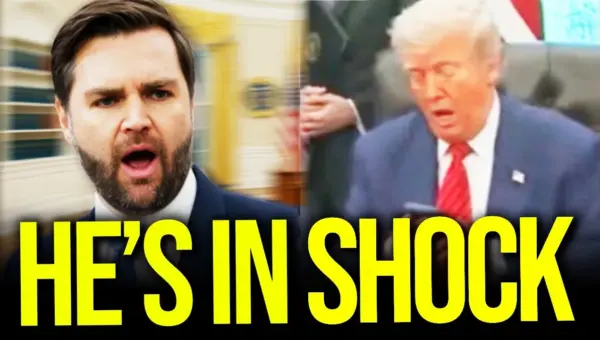
Recent events involving President Trump's public appearances and Senator JD Vance's statements on foreign policy and allegations against Ilhan Omar are raising questions about leadership and political discourse. Reports of the President appearing to doze off in meetings and his own jokes about the 25th Amendment, alongside Vance's disputed claims about the Iran conflict and his exploration of legal remedies against a congresswoman, highlight concerns about competence and due process.
Mixed Signals: Trump’s Iran Stance Fuels War & Negotiation Chaos
Conflicting messages from Donald Trump regarding Iran's Strait of Hormuz threats and subsequent negotiation claims create diplomatic chaos. Expert analysis highlights the importance of autonomy in negotiation and warns against arbitrary deadlines, while the core question of U.S. involvement in such conflicts remains.