US May Fund Maduro’s Defense in Drug Trial
Nicolas Maduro, facing drug trafficking charges in the U.S., may have his defense funded by American taxpayers if Venezuela cannot pay due to sanctions. His lawyers are in court seeking a judge's intervention.

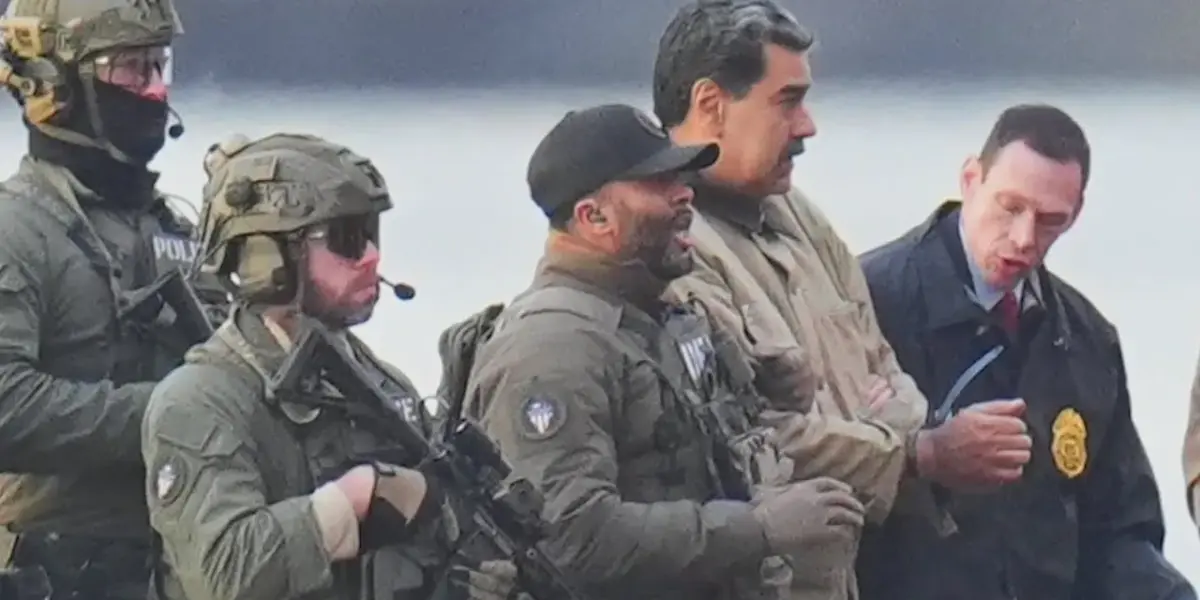
US May Fund Maduro’s Defense in Drug Trial
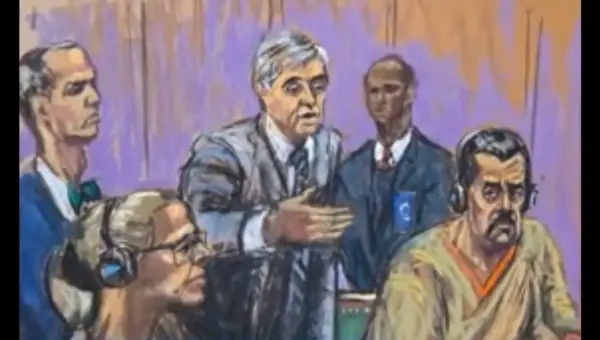
Nicolas Maduro, the former leader of Venezuela, is facing serious charges in a New York City courtroom. He is accused of drug trafficking and terrorism. The U.S. government previously blocked Venezuela from paying for his legal defense. Now, Maduro’s lawyers are asking a judge to step in. They argue that if Venezuela cannot pay, U.S. taxpayers might have to cover the costs. This would happen if the court appoints a lawyer for Maduro.
Unusual Legal Battle Unfolds
The situation is quite unusual. Maduro’s own lawyers say the Venezuelan government agreed to pay for his defense. However, Venezuela is under U.S. sanctions. This means money going to or from the country needs special permission. The U.S. Office of Foreign Asset Control first approved the funding. But just three hours later, they changed their minds and said no. Later, they also denied a request to pay for his wife’s legal fees. This seems like a reaction to Maduro’s legal team asking the court for help.
Maduro’s lawyers argue that if they are not paid, they will have to stop working on the case. They say this would violate Maduro’s right to have a lawyer of his choice. This is a right protected by the U.S. Constitution’s Sixth Amendment. If he is convicted, they warn that the verdict could be thrown out on appeal because of this issue.
Judge’s Role and Potential Ruling
The case is being heard by Judge Alvin Hellerstein, a 92-year-old federal judge with many years on the bench. He has ruled against the Venezuelan government in other cases. Experts suggest the judge might not rule immediately. He could take time to consider the arguments and issue a written decision. The lawyers are pushing for a quick ruling because the pre-trial hearings alone could take years. If the judge takes too long to decide on the funding, it could delay the entire case.
Protecting Evidence and Witnesses
Another key issue in court today involves how evidence is shared. The government wants a protective order. This order would limit who can see the evidence. They want to share most of it with Maduro’s lawyers. But they do not want the lawyers to share it with any defendants who have not yet been arrested. These defendants are still in Venezuela. The government fears that sharing the evidence could put them and their families at risk. They worry that people in Venezuela might threaten witnesses or attack families if they know what evidence exists.
Could a Deal Be Possible?
A question has been raised about whether Maduro could make a deal with the U.S. government. Some wonder if he might cooperate in exchange for a lesser sentence. This could involve providing information about drug cartels or Venezuela’s oil infrastructure. However, experts doubt this is likely. Making such a deal would put many people close to Maduro at risk. Also, if Maduro doesn’t trust the lawyers appointed by the government, it’s hard to see how any deal could be negotiated effectively.
Judge’s Age and Case Timeline
The age of Judge Hellerstein has also been mentioned. Some legal professionals believe judges should assess their ability to handle cases as they get older. This particular case might not even go to trial for another two years. By then, the judge would be 94. While many people remain sharp and capable at that age, it’s a factor in how long complex trials can take. The judge’s own assessment of his health and ability to manage a lengthy trial will be important.
Global Impact
This case highlights the complex legal and political challenges involving Venezuela. U.S. sanctions and legal actions against Maduro’s government have far-reaching consequences. The possibility of U.S. taxpayers funding the defense of an accused international criminal raises serious questions. It touches on issues of justice, international law, and the cost of pursuing such cases. The outcome could influence how other countries handle similar situations involving sanctioned leaders and alleged crimes.
Source: Could US taxpayers pay for Nicolas Maduro’s defense? | Morning in America (YouTube)

Related Articles
Immigration Debate Ignites Over Murder Suspect’s Status
A Venezuelan national accused of murder has become a focal point in the U.S. immigration debate. Prosecutors presented evidence of his alleged involvement in a student's death, while the defense highlighted his difficult background. The case raises questions about public safety and migrant support.

Ex-Drug Runner Details Harrowing ‘County Lines’ Exploitation
A former 'county lines' drug runner, known as Mike, has shared his harrowing experiences of being lured into drug dealing as a teenager. He details the exploitation, violence, and near-fatal encounters that led him to realize the severity of his situation and the importance of support systems for vulnerable youth.

Judge May Let Maduro Pay Legal Bills: A Fight Over Sanctions
A judge is leaning towards allowing former Venezuelan leader Nicolás Maduro to use foreign funds for his legal defense, despite U.S. sanctions. The ruling could impact how sanctions affect the right to counsel in similar cases.