US Lifts Sanctions on Venezuela’s Rodriguez, Eyes Cuba Policy
The United States has lifted sanctions on Venezuela's acting president, Delcy Rodriguez, aiming to stabilize the country's economy and encourage US business involvement. This move, however, appears to sideline the Venezuelan opposition. Meanwhile, Cuba faces a deepening crisis due to fuel shortages and US pressure, prompting questions about the US administration's broader foreign policy goals in the Western Hemisphere.

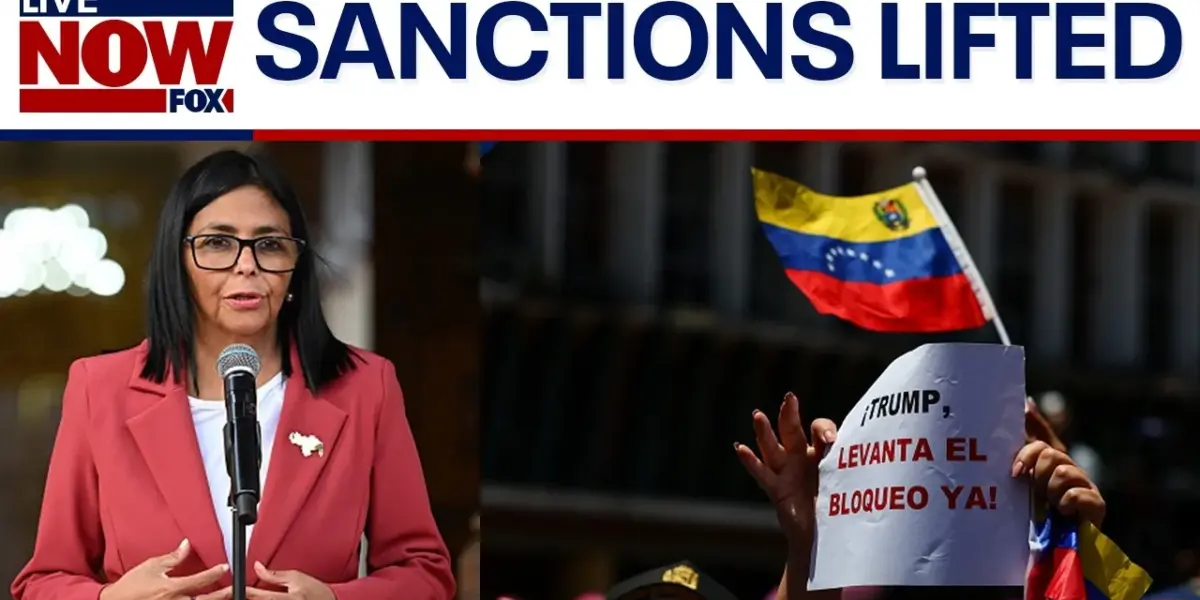
US Eases Sanctions on Venezuelan Official, Signals Shift in Policy
In a significant move, the United States has lifted sanctions on Delcy Rodriguez, Venezuela’s acting president. The decision, noted on the Treasury Department’s Office of Foreign Assets Control website, marks the latest US acknowledgment of Rodriguez as a legitimate authority in Venezuela. This comes after the capture of her predecessor, Nicolas Maduro, and his wife on drug trafficking charges in January. The pair have since pleaded not guilty in New York.
Why Lift Sanctions? Aims to Stabilize Venezuela’s Economy
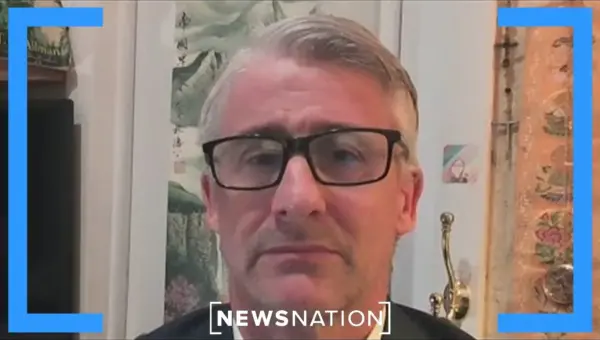
William LeoGrand, a specialist in Latin American politics and US foreign policy from American University, explained the primary objective behind lifting these sanctions. “As a sanctioned person, US businesses were not able to engage in any kind of transactions with President Rodriguez,” LeoGrand stated. He added that Rodriguez has proven to be a “cooperative partner with the United States.” The administration’s goal is to “smooth the revival of the Venezuelan economy” and encourage US businesses to help rebuild the oil sector. This is seen as a priority for the current administration.
Impact on Venezuelan Opposition
The US decision to recognize Rodriguez’s authority appears to sideline the Venezuelan opposition, including figures like Maria Corina Machado. LeoGrand commented that this move “leaves the opposition out in the cold, frankly.” While the opposition is believed to have won the 2024 election, the US priority is national stability. Bringing the opposition into power immediately could have been problematic due to the presence of multiple armed groups in Venezuela, whose interests might be threatened. Maintaining stability is therefore the key objective.
International Reactions and Commercial Interests
International responses to the US policy shift have been muted. Countries like Russia and China, which initially condemned Maduro’s capture, seem more focused on their commercial interests in Venezuela. The US has allowed China to continue its business dealings there, which is considered an important step in stabilizing the international context surrounding the change in Venezuelan government. This suggests a pragmatic approach by the US, prioritizing economic stability over immediate political upheaval.
Cuba Faces Deepening Crisis Amid US Pressure
The conversation then shifted to the dire situation in Cuba, where a severe energy and fuel crisis is impacting daily life. LeoGrand described the situation as “desperate on the island right now.” The Cuban government is facing severe fuel shortages, partly due to the US halting Venezuelan oil shipments and imposing potential tariffs on other oil-sending countries. This has led to widespread power outages, food shortages, and difficulties in essential services like hospitals and public transportation. Factories are also closing due to lack of electricity.
US Foreign Policy: Western Hemisphere Focus
The US administration’s foreign policy appears to be focusing on the Western Hemisphere, with Cuba as a key target after Venezuela. LeoGrand suggested this is part of a broader strategy to assert US preeminence in the region and address regimes historically adversarial to the US, such as Cuba and potentially Nicaragua. The administration’s goal could range from seeking a complete government collapse to fostering greater cooperation and openness to US investment and commerce, similar to the approach with Venezuela.
Cuba’s Economic Openness and US Dialogue
Despite the pressure, Cuba has signaled a willingness for economic accommodation. A dialogue is reportedly ongoing between the US and Cuban governments, though details remain scarce. The success of these negotiations hinges on finding common ground and addressing key agenda items. The US is using economic pressure as a negotiating tool, but must also consider the risk of social collapse and a potential migration crisis, similar to past events like the Mariel boat lift.
What to Watch Next in Latin America
Moving forward, the key question for viewers is what the United States truly aims to achieve in Latin America. In Cuba, the risk of social unrest and a resulting migration crisis is a major concern for the US. The administration’s strategy involves using economic sanctions as leverage, but the extent of common ground for a deal remains to be seen. In Venezuela, the long-term political strategy is also unclear: will the US seek to reintegrate the opposition, or will it accept the continuation of the current regime under Rodriguez? These are critical developments to monitor in the region.
Source: U.S. lifts sanctions on Venezuela's Delcy Rodriguez (YouTube)

Related Articles

US Policy Shift Stuns Allies, Weakens Global Security
US policy shifts regarding Ukraine, the Strait of Hormuz, and NATO are raising concerns among allies and creating global instability. Critics point to a lack of strategic planning and diplomatic consultation, potentially emboldening adversaries and undermining international security.
Trump’s Diplomacy Shakes Global Alliances, Future Uncertain
President Trump's recent address on the Iran conflict offered few new insights, leaving allies questioning America's reliability. Despite claims of victory, the long-term impact on global alliances and the prospect of a recession remain significant concerns.

Trump’s Iran Strategy Faces Backlash, Domestic Division
President Trump's strategy towards Iran is drawing criticism for its mixed messaging and potential to backfire. While military actions are underway, domestic divisions and uncertainty about long-term goals are creating significant challenges. The situation raises questions about the effectiveness of the current approach and its impact on regional stability and global markets.