US Leverages Oil, Diplomacy to Counter Iran’s Nuclear Aims
The Trump administration is using a dual strategy of oil market management and international diplomacy to counter Iran's nuclear ambitions. Potential waivers on Iranian oil at sea and allied efforts to secure the Strait of Hormuz aim to stabilize global energy prices while pressuring Tehran.

US Leverages Oil, Diplomacy to Counter Iran’s Nuclear Aims
The Trump administration is employing a multi-pronged strategy involving oil markets and international diplomacy to prevent Iran from developing nuclear weapons and ballistic missile capabilities. This approach includes potential temporary waivers on oil sanctions and coordinated efforts with allies to ensure global energy security.
Key to this strategy is the potential for the U.S. to temporarily lift sanctions on Iranian oil currently at sea. This could release approximately 140 million barrels of oil onto the market, representing about 10 to 14 days of global supply. By allowing this oil to be sold, primarily to China, the U.S. aims to increase supply and keep global oil prices stable, even as it prosecutes other actions against Iran.
Treasury Secretary Scott Bessent highlighted this tactic, stating, “We can both prosecute this war in Iran, make sure they don’t have that nuclear capability, decimate their navy and still keep oil & gas prices low here at home.” This suggests a deliberate effort to separate the impact of geopolitical actions on Iran from the cost consumers face at the pump.
Beyond managing oil supply, the U.S. is working with international partners to address Iran’s broader destabilizing activities. NATO allies, including the UK, France, Germany, Italy, the Netherlands, and Japan, are developing a plan to secure the Strait of Hormuz. This crucial waterway is vital for global oil shipments, and ensuring its open passage is a shared priority.
The UAE may also join this international effort. The U.S. has also engaged directly with allies on security matters. For instance, President Trump recently advised Israeli Prime Minister Netanyahu against attacking Iran’s major gas fields, indicating a desire for coordinated, rather than unilateral, actions.
This coordinated approach extends to preventing Iran’s nuclear ambitions. NATO Secretary General Jens Stoltenberg has reiterated that Iran must not acquire nuclear capability. The U.S. is encouraging NATO to act on this commitment, particularly in securing the Strait of Hormuz.
The U.S. has also taken direct military action, bombing Iranian missile batteries along the Strait of Hormuz. These strikes, using 5,000-pound bunker buster bombs, are part of a broader campaign to degrade Iran’s military and nuclear capabilities.
Market Impact and Investor Considerations
The administration’s strategy aims to achieve several objectives simultaneously: deterring Iran’s nuclear program, limiting its military reach, and maintaining stable energy prices for consumers. The potential release of Iranian oil, alongside coordinated releases from the Strategic Petroleum Reserve and agreements with other nations to release oil, are designed to buffer the market against supply disruptions.
For investors, this indicates a focus on energy market stability. While geopolitical tensions with Iran remain high, the administration appears committed to using its various tools, including diplomatic pressure and market interventions, to prevent significant price shocks.
The involvement of a broad coalition of allies in securing the Strait of Hormuz is a positive sign for global trade and energy flow. However, the effectiveness of these measures will depend on sustained international cooperation and Iran’s response to continued pressure.
The U.S. has also tapped into its Strategic Petroleum Reserve (SPR). While previous releases were criticized for political timing, current discussions suggest using the SPR to counteract Iranian manipulation of global oil supply chains, rather than solely to lower domestic gas prices.
The administration views these actions as part of a larger effort to curb Iran’s role as a state sponsor of terror and its ability to hold the global economy hostage through oil manipulation. By degrading Iran’s military and nuclear capabilities, the U.S. seeks to enhance global peace and security.
The cooperation from Arab Gulf states in condemning Iran’s actions, particularly after attacks on oil and gas sites in Saudi Arabia, Qatar, and Kuwait, signals a growing regional alignment against Iranian aggression. This broader coalition strengthens the diplomatic and economic pressure on Tehran.
Ultimately, the administration believes that by demonstrating strength and employing strategic leverage, it can deter Iran’s dangerous ambitions and ensure a more stable global environment, without resorting to a large-scale U.S. military deployment on the ground.
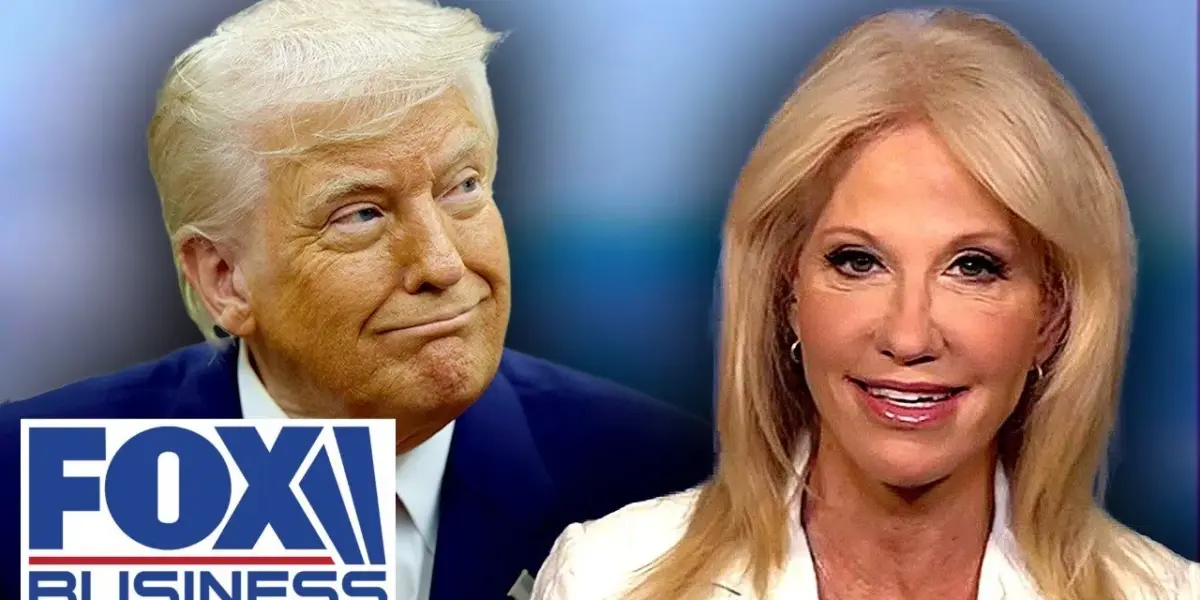
Source: Trump admin has ‘LOTS’ of levers to pull on Iran: Kellyanne Conway (YouTube)

Related Articles

G7 Allies Clash Over Iran War Strategy, Urge Focus on Russia
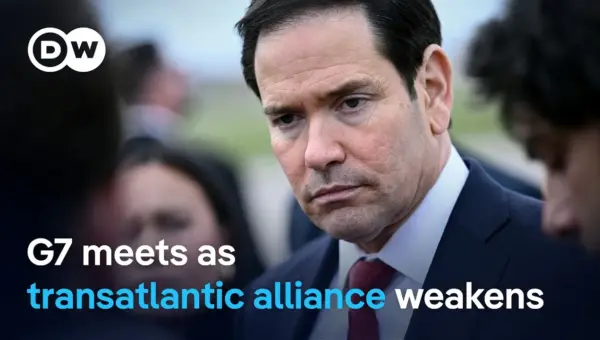
G7 foreign ministers met in Paris, revealing deep divisions over the U.S. war with Iran. European allies urged the U.S. to pressure Russia, linking its actions to the conflict and fearing support for Ukraine will wane.
Iran Blocks China Ships, Exposing Beijing’s Weak Grip
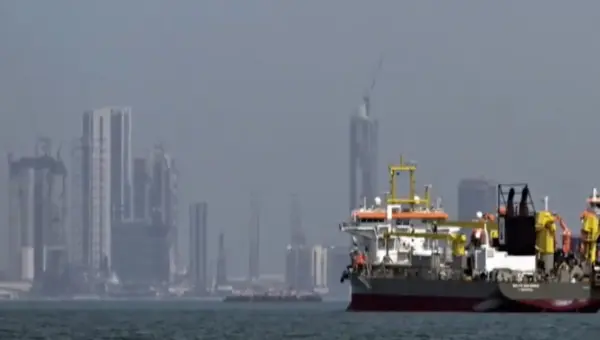
Iran's recent decision to block Chinese ships at the Strait of Hormuz is exposing the limits of Beijing's influence in the Middle East. This action is causing delays and cancellations for Chinese manufacturers, turning a perceived geopolitical win into an economic strain.
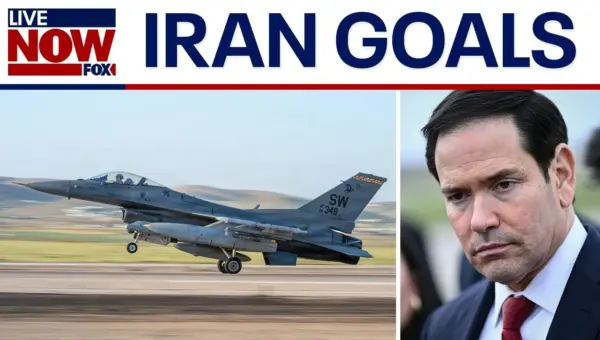
Rubio: US Can Achieve Iran War Goals Without Troops
Senator Marco Rubio outlined a strategy to counter Iran without deploying U.S. ground troops, focusing on weakening the regime and enhancing maritime security. He also criticized Cuba's economic system and expressed concerns about West Bank violence.