US Leverages Arms Sales to Force Allies’ Hand in Hormuz
The United States is reportedly threatening to withhold weapons sales to European allies unless they help secure the Strait of Hormuz. This critical waterway has become a major point of contention in the conflict with Iran, with US leadership expressing frustration over a perceived lack of support from its partners.

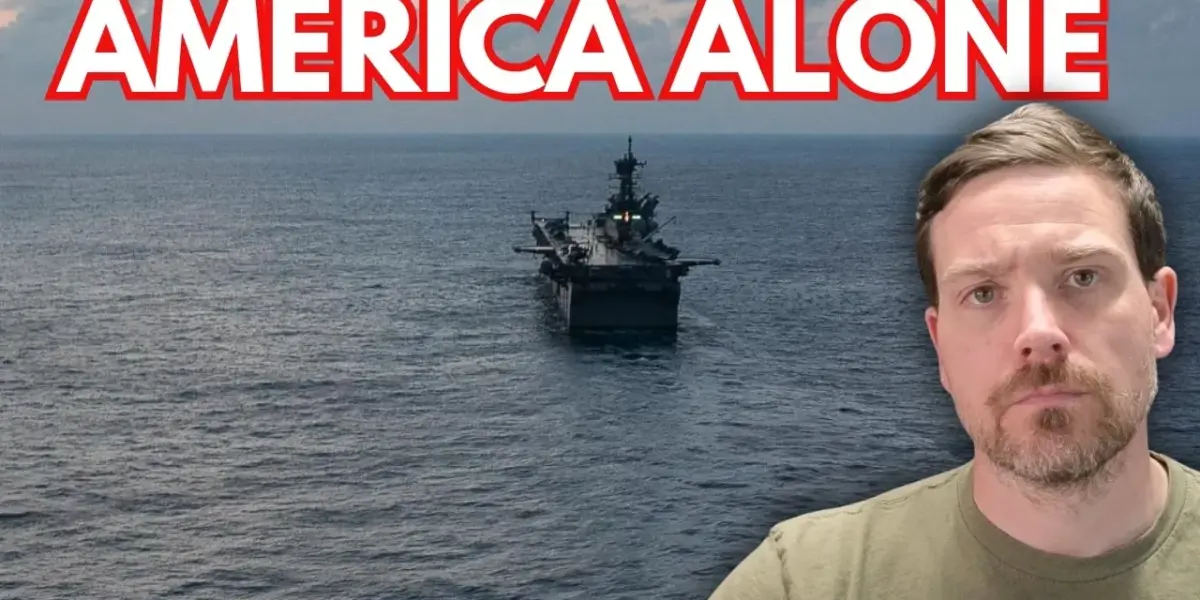
US Pressures Allies to Secure Vital Strait
The United States is reportedly using a significant threat to push its allies into helping secure the Strait of Hormuz, a critical waterway for global oil and trade. Reports suggest President Trump has warned he might stop selling weapons to European nations if they do not contribute to a coalition aimed at reopening the strait, which Iran has effectively controlled. This move highlights the growing importance of the Strait of Hormuz in the ongoing conflict with Iran and the administration’s frustration with perceived lack of support from allies.
The Strait of Hormuz: A Critical Chokepoint
The Strait of Hormuz is a narrow channel connecting the Persian Gulf to the open ocean. Iran sits on its northern coast, giving it significant influence over shipping traffic. Currently, Iran is not fully closing the strait but is controlling who passes through and at what price. This has created a situation where US and Israeli ships are blocked, while others must pay a toll for safe passage. This control has become a major problem for the US, its Gulf allies, and the global economy, making the reopening of the strait a key concern.
Shifting War Aims and Allied Pressure
The stated objectives of the conflict with Iran have included destroying its missile arsenal, navy, and terrorist proxies, as well as preventing it from obtaining nuclear weapons. However, the situation at the Strait of Hormuz has emerged as a critical, perhaps even the most important, issue. President Trump has expressed his disappointment with allies like the UK for not being more involved, even suggesting they should “go to the strait and take it” themselves. He has also indicated that the US may not always be there to help them.
The Threat of Withheld Arms Sales
A report from the Financial Times revealed that President Trump threatened to halt weapon sales under the Prioritized Ukraine Requirements List (PURL). This list is how European allies purchase arms from the US to then send to Ukraine. The value of these potential sales is substantial, reaching billions of dollars annually. The implication is clear: allies must assist in securing the Strait of Hormuz, or they risk losing access to crucial military equipment, impacting not only their own defense but also their support for Ukraine.
Allies’ Hesitant Response and a Hasty Statement
Initially, many European nations were reluctant to get involved in the conflict, viewing it as a US problem. However, following discussions, including those involving NATO Secretary General Jens Stoltenberg, a group of countries, including France, Germany, and the UK, issued a statement expressing readiness to contribute to efforts ensuring safe passage through the Strait of Hormuz. This shift appears to have been heavily influenced by the threat of losing US weapon supplies. One official described Trump as being “hysterical” about Europe’s refusal to help.
NATO’s Structure and Allied Responsibilities
The US administration has stressed that allies are not doing enough to support the United States. However, NATO’s structure, particularly Article 5 which requires unanimous consent for collective defense, means that even allies on good terms cannot be automatically compelled to act. Each member nation must vote, and concerns about domestic politics and international commitments play a significant role in their decisions. The US is clearly frustrated by this, as evidenced by statements from officials like Secretary of State Mike Pompeo and National Security Advisor.
The Rise of Bilateral Deals and China’s Opportunity
As the situation unfolds, individual countries are increasingly making their own arrangements with Iran to ensure passage through the Strait of Hormuz, often by paying a toll. This bypasses a unified NATO or EU response. This fragmented approach creates an opening for other global powers, like China, to potentially step in as mediators. If the US continues to pressure allies rather than foster genuine cooperation, it could inadvertently create space for rivals to increase their influence in the region, much like China has done in other areas where US engagement has waned.
Future Outlook: Uncertainty and Potential Escalation
The immediate future likely holds further pressure from the US on its allies. President Trump’s upcoming address to the nation was anticipated to include strong rhetoric, possibly veiled threats, aimed at securing more tangible support for opening the Strait of Hormuz. Whether this pressure campaign will be successful remains uncertain. If it fails, the US might face a difficult decision about its next steps, potentially leading to a declaration of victory and withdrawal, or further escalation. The current approach, relying on threats rather than collaboration, may prove counterproductive in building a stable international coalition.
Why This Matters
The Strait of Hormuz is not just a shipping lane; it’s a vital artery for the global economy. Any disruption there has far-reaching consequences, affecting energy prices and the availability of goods worldwide. The US administration’s strategy of pressuring allies with threats, rather than building consensus through diplomacy, raises questions about the future of international alliances and the effectiveness of US foreign policy. It highlights a tension between national interests and the need for collective security, with potentially significant implications for global stability and trade.
Source: "Go to the Strait and TAKE IT" – US Pressures Allies to Clear Hormuz (YouTube)

Related Articles

US Policy Shift Stuns Allies, Weakens Global Security
US policy shifts regarding Ukraine, the Strait of Hormuz, and NATO are raising concerns among allies and creating global instability. Critics point to a lack of strategic planning and diplomatic consultation, potentially emboldening adversaries and undermining international security.
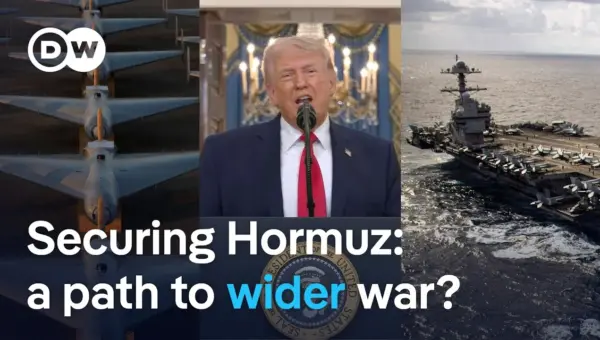
Strait of Hormuz Tensions Risk Wider Middle East War
Efforts to secure the vital Strait of Hormuz risk triggering a wider Middle East war, according to UN warnings and security analysts. The narrow waterway is crucial for global trade, and forcing it open against Iran's objections could escalate regional tensions dramatically. Experts highlight the complex geography, Iran's remaining military capabilities, and the involvement of regional players as key factors in the volatile situation.
UK Leads Global Effort to Secure Strait of Hormuz
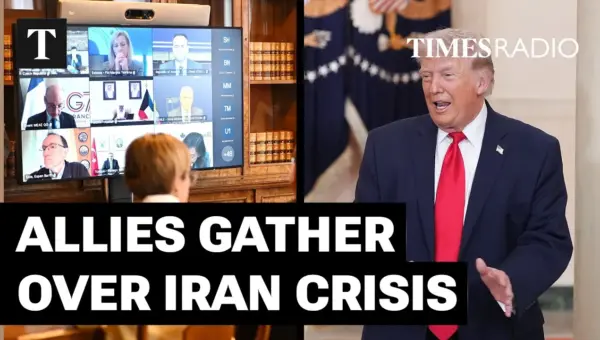
The UK has rallied over 40 countries to address the crisis in the Strait of Hormuz, a vital global energy route. The initiative seeks diplomatic and economic solutions amidst rising tensions and calls for a stronger European role. Experts suggest that negotiation, rather than military action, is key to securing the strait's passage.