US Launches New Trade Probes, China Warns of Economic Fallout
The U.S. has launched two major trade investigations into global manufacturing practices and forced labor, drawing warnings from China about economic fallout. These probes, under Section 301, could lead to new tariffs. President Trump postponed a key China meeting amid the Iran conflict, but trade talks continue.

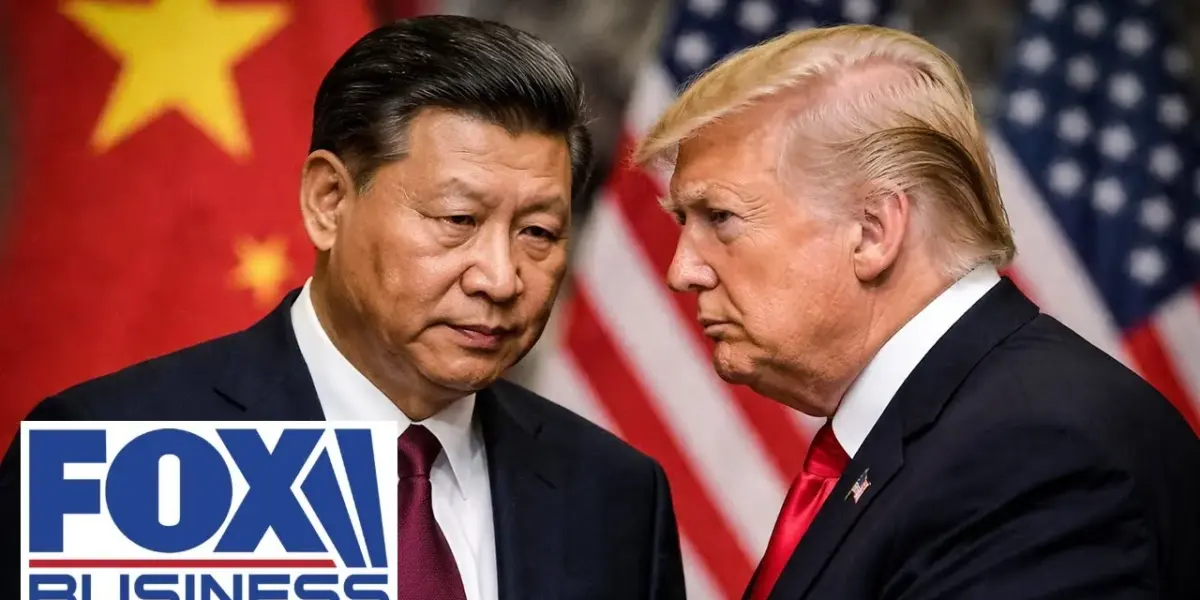
US Launches New Trade Probes, China Warns of Economic Fallout
The United States is intensifying its scrutiny of global trade practices with the launch of two significant investigations under Section 301 of the 1974 Trade Act. These probes target structural excess capacity in manufacturing and the use of forced labor in supply chains, signaling a more aggressive stance on international trade imbalances. The move comes as President Trump postponed a key meeting with Chinese officials, a decision influenced by the escalating conflict in Iran, but trade disputes remain a central focus.
New Trade Investigations Underway
U.S. Trade Representative Jamieson Greer confirmed the initiation of two broad investigations. One focuses on “structural excess capacity,” which occurs when countries produce far more goods than global demand requires, often due to heavy government subsidies. The other investigation targets the import of goods made with forced labor, aiming to ensure compliance with U.S. laws.
The “structural excess capacity” probe is particularly aimed at East and Southeast Asia, Mexico, and the European Union. These regions have been identified as having significant manufacturing surpluses that are not solely driven by market competition. The U.S. is concerned that these imbalances can lead to goods being unfairly priced and potentially dumped into the U.S. market.
Regarding forced labor, the investigation covers a vast majority of U.S. trade, impacting 60 countries and approximately 99.5% of all trade. This highlights a commitment to ethical sourcing and fair competition in global supply chains.
China’s Reaction and Diplomatic Maneuvers
China has expressed serious concern over these U.S. trade investigations, warning that they could harm the economic ties between nations. Beijing claims that such probes risk damaging international trade relationships and could lead to significant economic repercussions.
Despite these concerns, U.S. Treasury Secretary Scott Bessent and Trade Representative Jamieson Greer met with Chinese officials in Paris over the weekend. The goal was to address ongoing trade disputes and maintain communication. President Trump also rescheduled his trip to China, pushing it back by about five weeks to focus on domestic issues and the Iran conflict. This delay, however, did not derail the ongoing dialogue.
Potential Tariffs and Market Impact
While U.S. Trade Representative Greer could not prejudge the specific outcomes or tariff levels, he indicated that responsive actions are likely if the investigations find issues. “Responsive action” can include negotiations, imposing tariffs on goods, or fees on services. Given the widespread nature of structural excess capacity, it is highly probable that some form of tariffs or trade measures will be implemented.
Public hearings for the forced labor investigation are scheduled for April 28th, with the manufacturing investigation hearing set for May 5th. These proceedings will allow for public comment and further inform the U.S. government’s findings and potential actions.
The U.S. has experienced a significant trade deficit, reaching $1.2 trillion by the end of the previous administration. While current policies are showing a downward trend in the deficit, the new investigations aim to solidify these gains and create a more balanced trade relationship. The overall trade deficit with the rest of the world has reportedly decreased by 17% since last April.
Broader Trade Policy Goals
The U.S. Trade Representative’s office is exploring various tools to address unfair trade practices, including Section 338, which does not have an expiration date like Section 122 tariffs and allows for up to a 50% tariff ceiling. This section requires findings of discrimination against the U.S. compared to third countries.
The recent government shutdown also impacted the economy, with GDP growth being lower in the last quarter due to the shutdown. This highlights the broader economic consequences of governmental disruptions and their effect on trade operations.
What Investors Should Know
The launch of these new trade investigations signals a continued focus on rebalancing global trade relationships. Investors should monitor the outcomes of the Section 301 probes, particularly regarding potential tariffs on goods from targeted countries. The ongoing dialogue between the U.S. and China, despite the postponed presidential meeting, suggests that trade discussions will remain a key feature of the economic landscape.
The emphasis on structural excess capacity and forced labor indicates a move towards addressing deeper, systemic issues in international manufacturing and supply chains. This could lead to longer-term shifts in global production and trade flows. Companies with significant international supply chains, especially those operating in or sourcing from the regions targeted by the investigations, should assess their exposure to potential trade actions.
Furthermore, the U.S. government’s commitment to reducing its trade deficit suggests a policy direction aimed at boosting domestic production and creating more balanced trade partnerships. Investors may want to consider sectors and companies that stand to benefit from increased domestic manufacturing or shifts in global supply chain dynamics.
Source: CHINA WARNS TRUMP: Trade probe risks major economic fallout (YouTube)

Related Articles

Iran Blocks China Ships, Exposing Beijing’s Weak Grip
Iran's recent decision to block Chinese ships at the Strait of Hormuz is exposing the limits of Beijing's influence in the Middle East. This action is causing delays and cancellations for Chinese manufacturers, turning a perceived geopolitical win into an economic strain.

China Fights Back: Tariffs Loom Ahead of Trump Visit
China is retaliating against US trade investigations that could lead to higher tariffs. This escalating trade tension occurs just before a planned visit by President Trump. The dispute involves accusations of unfair practices and impacts global supply chains.
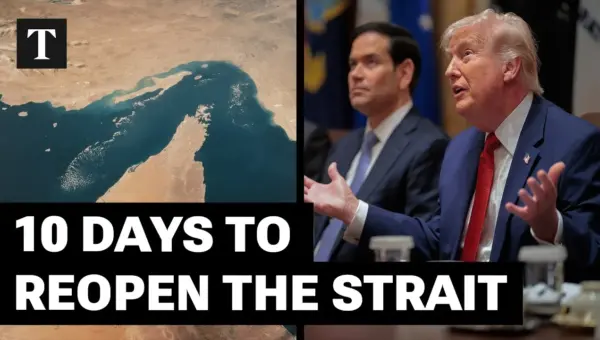
Strait of Hormuz Tensions: Nations Navigate ‘Every Man For Themselves’
Nations are navigating a precarious "every man for themselves" situation in the Strait of Hormuz amidst rising tensions. Iran is strategically leveraging its position, while diplomatic efforts and asymmetric threats create an unpredictable environment. The impact of GPS jamming and the low volume of transit highlight the ongoing challenges.