US Launches Moon Mission, Eyes Deep Space Race
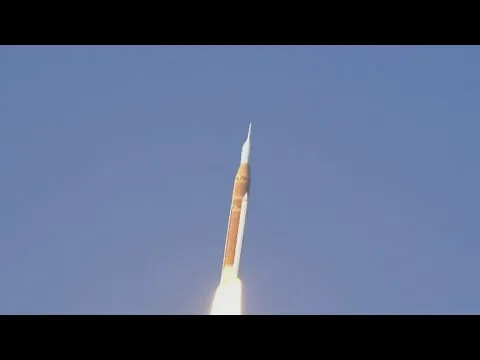
The United States has successfully launched the Artemis II mission, sending astronauts on a historic journey around the Moon. This mission marks a significant step in America's return to deep space exploration and signals a renewed focus on lunar and beyond. The launch itself was a powerful display, with the powerful RS-25 engines igniting and lifting the Orion spacecraft off the launchpad.

US Launches Moon Mission, Eyes Deep Space Race
The United States has successfully launched the Artemis II mission, sending astronauts on a historic journey around the Moon. This mission marks a significant step in America’s return to deep space exploration and signals a renewed focus on lunar and beyond. The launch itself was a powerful display, with the powerful RS-25 engines igniting and lifting the Orion spacecraft off the launchpad. The successful liftoff is more than just a technical achievement; it represents humanity’s next great voyage into the cosmos.
Mission Objectives and Trajectory
The Artemis II mission is designed to test the Orion spacecraft’s systems with a crew aboard, paving the way for future missions to the Moon’s surface. The crew will orbit the Moon, a journey that will take approximately 10 days. During this time, they will perform critical maneuvers, including a Trans-Lunar Injection (TLI) burn. This burn will increase their speed by about 900 miles per hour, placing them in a high-looping orbit around the Moon.
The mission builds on previous uncrewed tests, like the Artemis I mission, which proved the Orion capsule’s capabilities. This time, however, astronauts are onboard, adding a crucial human element to the testing. The flight plan includes spending about 25 hours in low Earth orbit before the TLI burn. After the TLI burn, they will continue on their lunar trajectory, performing a flyby of the Moon before returning to Earth.
Technological Achievements and Safety
The launch showcased the advanced engineering of the Space Launch System (SLS) rocket and the Orion spacecraft. Key moments like the separation of the solid rocket boosters, a critical phase that carries historical weight due to past accidents like the Challenger disaster, proceeded smoothly. The successful separation and subsequent stages confirmed the integrity and performance of the vehicle. The mission controllers in Houston closely monitored every aspect, ensuring the safety and success of the flight.
The crew’s experience inside the capsule during such a powerful ascent is described as extraordinary. The feeling of relief and accomplishment among the mission team and observers following a successful launch is palpable. This mission is not just about reaching space; it’s about pushing the boundaries of human spaceflight safely and effectively.
Global Context and Future Implications
The Artemis program represents a significant investment by the United States in space exploration. It is seen as a key element in a broader international effort to establish a sustained human presence on the Moon and eventually on Mars. While the transcript focuses on the technical aspects of the launch, the geopolitical implications are substantial. This mission underscores the U.S.’s commitment to leading in space exploration, a domain increasingly shaped by international competition.
Other nations, including China, are also pursuing ambitious lunar programs. The renewed focus on lunar missions by multiple spacefaring powers suggests a new era of space exploration, potentially characterized by both cooperation and competition. The success of Artemis II bolsters the U.S. position in this evolving global space race.
Historical Context
This mission echoes the spirit of the Apollo program, which first landed humans on the Moon in 1969. However, Artemis aims for more than just a flag-planting exercise. It seeks to establish a long-term presence, develop lunar resources, and use the Moon as a stepping stone for further exploration of the solar system. The lessons learned from Apollo, including the challenges and triumphs, inform the planning and execution of the Artemis missions.
The involvement of private companies in space exploration, a trend that has grown significantly since the Apollo era, also plays a role. While not detailed in this specific launch, the broader Artemis program often involves partnerships that integrate commercial capabilities with government-led initiatives. This collaborative approach is a departure from the purely government-driven efforts of the past.
Global Impact
The successful launch of Artemis II sends a clear message about the United States’ continued leadership in space. It inspires a new generation of scientists, engineers, and explorers. Furthermore, it demonstrates the technological prowess and national commitment required for complex deep space missions. This mission is a crucial building block for future human endeavors beyond Earth orbit, potentially leading to scientific discoveries and technological advancements that benefit all of humanity.
Source: Artemis II lifts off toward the moon | The Hill (YouTube)

Related Articles


Trump Fires Attorney General, Artemis II Reaches Lunar Orbit
Attorney General Pam Bondi has been dismissed amid pressure over the Epstein investigation, with Todd Blanche stepping in as acting AG. Meanwhile, the Artemis II astronauts have successfully entered lunar orbit, a historic first since 1972. Severe storms are expected to disrupt Easter weekend travel across the U.S.
Harvard Professor Challenges NASA on Mars Object
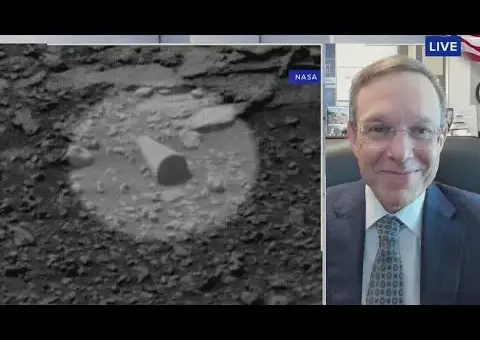
Harvard Professor Avi Loeb is questioning NASA's explanation of a 'party hat'-shaped object on Mars. While NASA calls it a natural rock, Loeb believes it warrants further investigation and highlights the importance of curiosity-driven science.


US Reclaims Moon Lead, Igniting New Space Race
The Artemis II mission marks humanity's return to the Moon's vicinity after 50 years, showcasing stunning Earth views and global participation through the "Send Your Name to Space" campaign. This journey reignites US lunar ambitions, potentially sparking new international cooperation or competition in space exploration.