US Launches Major Assault on Iran, Escalating Regional Conflict
The United States has launched 'Operation Epic Fury,' a major military assault on Iran targeting its missile sites, navy, and nuclear ambitions. The escalating conflict has led to U.S. casualties, Iranian retaliation across the region, and a new threat to global oil supplies, potentially driving up gas prices.


US Launches ‘Operation Epic Fury’ Against Iran Amid Rising Tensions
In a dramatic escalation of Middle East conflict, the United States launched a significant military operation targeting Iran, codenamed ‘Operation Epic Fury.’ The operation, approved by President Trump, involves widespread strikes aimed at crippling Iran’s military capabilities, including its ballistic missile sites, navy, and efforts to acquire nuclear weapons. The U.S. has already struck over a thousand targets, with officials indicating that the campaign is only just beginning and is expected to last several weeks.
US Forces Suffer Losses Amid Expanding Warfare
The expanding war has not been without cost to American forces. At least six U.S. service members have been killed, with a top general warning that this number is likely to rise. In a concerning incident, three U.S. fighter jets were shot down by friendly fire from Kuwaiti missile defense systems. Fortunately, all pilots ejected safely, with dramatic video capturing one pilot’s parachute descent and subsequent rescue. The Pentagon has asserted that the U.S. now holds total air superiority over Iran, enabling them to target mobile missile launchers used by Iran.
Iran Retaliates, Threatening Global Oil Supplies
Iran has responded to the U.S. strikes by targeting regional allies and critical international infrastructure. Attacks have been reported in Saudi Arabia, Kuwait, Qatar, and Bahrain, with Iranian drones and missiles striking high-rise buildings, oil fields, and an international airport. In Israel, an Iranian missile penetrated air defenses, resulting in the deaths of nine Israelis in one town. Iran has also issued a new threat to disrupt shipping through the Strait of Hormuz, a vital waterway for global oil transit, raising fears of significantly higher gas prices for consumers worldwide. Iranian state media has warned of setting fire to any ship attempting to pass through the strait.
“We will go as far as we need to go to advance American interests. But we’re not dumb about it. You don’t have to roll 200,000 people in there and stay for 20 years.”
Questions Surround War Objectives and Intelligence
As the conflict intensifies, questions are mounting regarding the ultimate objectives of the U.S. military campaign and the intelligence that prompted the strikes. The U.S. states its goals include destroying Iran’s missile capabilities, annihilating its navy, preventing nuclear weapon acquisition, and halting its support for terrorist activities abroad. However, reports suggest that diplomatic talks with Iran were making progress and scheduled to resume, contradicting the administration’s narrative. The U.S. also stated that intelligence indicated Iran’s Supreme Leader would be at a meeting of senior officials when the initial strikes were launched on Saturday, with U.S. officials claiming 49 Iranian leaders have been killed, though Iran has not confirmed all deaths.
Domestic Repercussions and International Warnings
The escalating conflict has had domestic implications, including a surge in gas prices. The State Department has issued a warning for American citizens to evacuate from 14 countries in the Middle East, including Israel, Jordan, Saudi Arabia, and Egypt, due to the heightened risks. In Austin, Texas, authorities are investigating a deadly bar shooting as a potential act of terrorism, with the gunman reportedly wearing an Iranian flag shirt and a sweatshirt reading ‘Property of Allah’ on the day after Iran’s Supreme Leader was killed. The timing has led investigators to explore possible ties to the ongoing conflict in the Middle East.
Looking Ahead: Intensification and Diplomacy
Secretary of State Marco Rubio has suggested that the military operation is about to intensify, with the hardest hits yet to come. While the U.S. has not ruled out deploying ground troops, officials emphasize a strategic approach to avoid a prolonged, large-scale occupation. The coming days will be critical in determining the trajectory of the conflict, the extent of its regional spread, and the potential for a diplomatic resolution amidst the escalating hostilities.
Source: NBC Nightly News Full Episode – March 2 (YouTube)

Related Articles
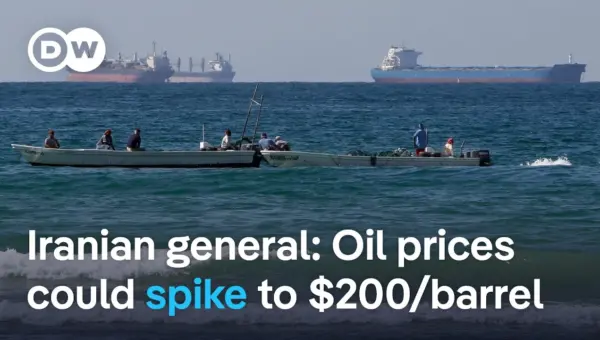
Iran Conflict Threatens Global Economy: Oil Prices Spike
A potential prolonged conflict between the US, Israel, and Iran is threatening to destabilize the global economy, with the Strait of Hormuz becoming a flashpoint. Analysts warn of soaring oil prices, potentially reaching $100 a barrel, which could trigger wider economic disruptions and impact consumer confidence.


Iran’s Unpredictable Future: Regional Strikes Fuel Instability
Ongoing regional strikes are fueling an unpredictable future for Iran, with analysts considering scenarios ranging from popular uprisings to civil war. The Pentagon's military focus remains on neutralizing threats, while the White House navigates the complex political landscape and potential succession plans.
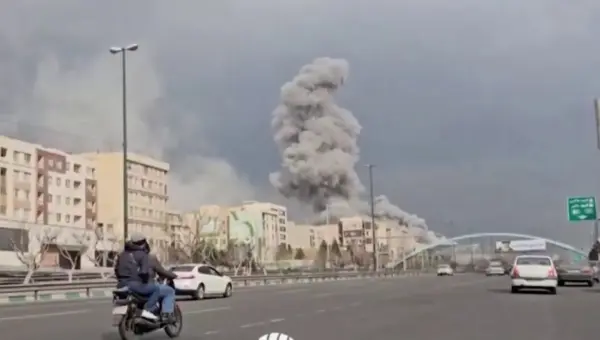
Iran’s War Survival: Expert Weighs US Military Might vs. Political Strategy
Defense expert Bilal Saab analyzes Iran's strategy in a potential war with the U.S., emphasizing political manipulation over military might. He highlights how Iran might exploit American aversion to casualties and prolonged conflicts, contrasting it with the U.S. democratic system's reliance on public opinion.