US Launches Major Assault on Iran, Aiming to Cripple Military
The United States has launched a major military assault on Iran, targeting numerous cities and military assets with significant Israeli participation. The operation aims to cripple Iran's military capabilities and leadership, while raising constitutional questions in the U.S. regarding congressional notification.

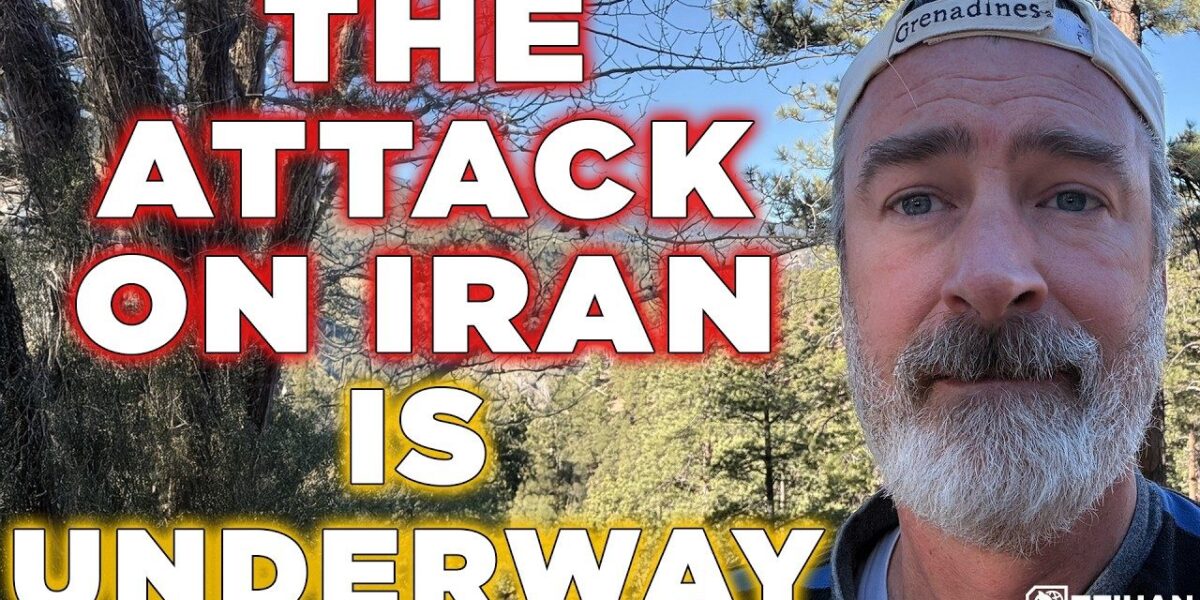
US Launches Wide-Ranging Assault on Iran, Targeting Leadership and Military Assets
In a significant escalation of regional tensions, the United States, with participation from Israel, launched a broad military assault against Iran earlier today, targeting numerous cities, naval positions, and critical military infrastructure. The operation, which began a few hours after Eastern time, appears to be a concerted effort to dismantle Iran’s military capabilities and potentially instigate governmental change.
Extensive Strikes Across Iranian Territory
Reports indicate that the assault has struck at least 20 different cities across Iran, along with several key naval bases and virtually all of the country’s missile and drone storage facilities. The operation involves a substantial deployment of military assets, including two aircraft carriers and a large contingent of supplementary aircraft. While detailed damage assessments are still emerging, initial estimates suggest thousands of casualties, potentially approaching 10,000, with the Islamic Revolutionary Guard Corps (IRGC), Iran’s powerful paramilitary force, bearing the brunt of the attacks. The Minister of Defense and numerous members of the Iranian Security Council have been confirmed dead.
“We’re at war. Uh a couple of hours ago Eastern time, the Trump administration opened up a broad assault against a number of targets across the country of Iran.”
Israeli Involvement Focused on Leadership Decapitation
Israel is actively participating in the offensive, with a significant portion of its efforts reportedly directed at targeting Iranian leadership. While it is not currently believed that the President or the Supreme Leader have been killed, the residences of high-ranking officials have been struck. This coordinated strike highlights a strategic alignment between the U.S. and Israel in addressing perceived threats from Iran.
Challenges to Government Collapse and Population Uprising
Despite the significant strikes, analysts suggest that a complete collapse of the Iranian government may be unlikely solely through military action. Iran’s political structure, comprised of over 10,000 clerics, presents a complex challenge. Both American and Israeli forces are reportedly calling for a direct uprising from the Iranian population to overthrow the remaining government. However, historical precedent suggests such calls can sometimes provoke a counter-response rather than the desired outcome.
Impact on Global Conflicts and Energy Sector
A critical aspect of the assault involves Iran’s drone production capabilities, particularly those used to produce Shahed drones. If these facilities are neutralized, it could have a profound impact on the war in Ukraine, significantly hindering Russia’s ability to target civilian infrastructure. Notably, the ongoing strikes do not appear to be targeting Iran’s energy sector. Key economic nodes like Kharg Island, through which approximately 90% of Iran’s oil exports flow, remain operational, suggesting a deliberate focus on military hardware and command structures over immediate economic disruption.
Constitutional Questions and Congressional Concerns
This military operation is particularly noteworthy as it is reportedly the first major military action undertaken by a U.S. administration in 40 years without prior notification to Congress. This move has sparked considerable controversy, with several senators from both parties expressing strong objections, viewing it as a potential violation of the War Powers Act. The Trump administration’s stance, along with previous administrations, has often challenged the constitutionality of the act, but this instance marks a departure from the past practice of seeking congressional consultation to avoid direct confrontation.
Iran’s Weakened Position and Nuclear Ambitions
Iran is currently considered to be at its weakest point in decades, largely due to significantly reduced oil exports and its diminished capacity to fund regional proxy operations. This weakened state has made it a potentially opportune moment for such an offensive. However, a persistent concern remains Iran’s nuclear program, which is dispersed and hardened, presenting a formidable challenge. The effectiveness of the U.S. military in addressing this dispersed nuclear capability will be a critical factor to watch. The ongoing debate about Iran’s nuclear breakout potential, a long-standing U.S. foreign policy concern, is likely to intensify as the situation unfolds.
Technological Advancements in Warfare
The operation also marks a significant milestone in the U.S. military’s adoption of new technologies, with a large number of one-way drones reportedly being utilized. This integration signals a potential shift in the U.S. offensive arsenal, moving beyond traditional Tomahawk missiles and precision-guided munitions dropped by jets to incorporate drone technology on a larger scale.
Looking Ahead
The coming hours and days will be crucial in determining the full scope and consequences of this unprecedented assault. Key developments to monitor include the actual impact on Iran’s military infrastructure, the response from the Iranian populace and leadership, potential repercussions on global energy markets, and the ongoing political fallout within the United States regarding the unilateral nature of the operation. The long-term implications for regional stability and the global balance of power are expected to be profound.
Source: Attack on Iran Underway || Peter Zeihan (YouTube)

Related Articles
Iran’s Power Vacuum: IRGC Steers Nation Amidst Crisis
Iran faces unprecedented vulnerability following the assassination of Supreme Leader Ayatollah Ali Khamenei. The nation is under attack internally and externally, with the IRGC playing a crucial role in managing the leadership transition and maintaining state control amidst a deepening political and economic crisis.


US Navy Crushes Iran’s Fleet in Escalating Conflict
President Trump announced the US military has sunk nine Iranian naval ships, crippling Iran's navy and securing the Strait of Hormuz. The announcement comes amid a massive bombing campaign targeting Iranian military assets, with significant involvement from the Israeli Air Force.


Trump: Iran Strikes Ahead of Schedule, Expects ‘Great Deal for World’
Three U.S. service members have been killed amid escalating conflict with Iran, President Trump confirmed. He stated that strikes are ahead of schedule, with senior Iranian leaders killed, and expressed optimism for a "great deal for the world" despite ongoing talks with Iranian officials.