US Launches “Epic Fury” Operation Against Iran: What’s Next?
The U.S. military has launched "Operation Epic Fury" in Iran, targeting the nation's nuclear program. With the ultimate goals and duration of the operation unclear, analysts are weighing potential outcomes ranging from regime collapse to continued hostility.

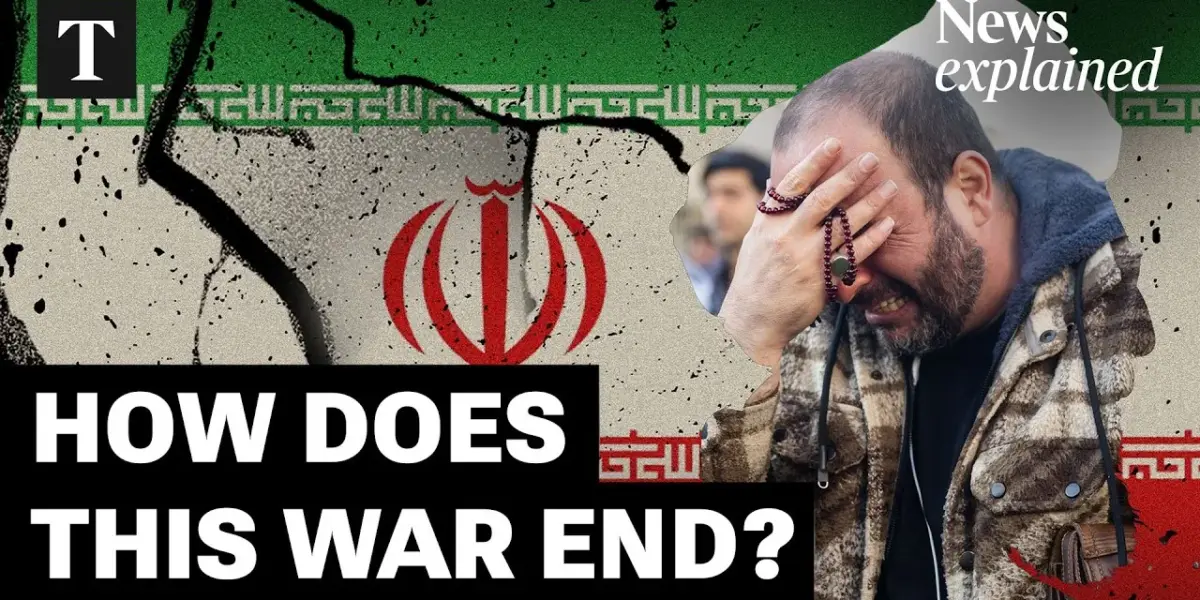
US Launches Major Combat Operations in Iran
The United States military has initiated significant combat operations in Iran, marking a dramatic escalation in regional tensions. The full scope and objectives of this new offensive, dubbed “Operation Epic Fury,” remain shrouded in uncertainty, leaving many questions about its duration and ultimate goals unanswered. The stated aim by U.S. leadership is to defend American citizens by neutralizing imminent threats posed by the Iranian regime.
Targeting Iran’s Nuclear Ambitions
A primary focus of the U.S. and its allies, particularly Israel, appears to be the disruption of Iran’s nuclear program. Defense Secretary Pete Hagath has emphasized the need to further degrade facilities crucial to Iran’s nuclear enrichment capabilities, which were reportedly heavily struck in June of the previous year. This emphasis comes despite previous assertions by President Trump that Iran’s nuclear program had been entirely “obliterated.” The contradiction highlights the ongoing and complex nature of the efforts to halt Iran’s nuclear advancements.
Uncertain Futures: Regime Stability and Nuclear Pursuit
The aftermath of these military actions presents a critical juncture for Iran. If the primary objective is solely to dismantle the nuclear program and avoid a prolonged conflict, the current Iranian regime might remain in power, albeit significantly weakened. However, this scenario carries its own risks. A weakened regime, still fundamentally hostile towards the U.S. and Israel, could potentially accelerate its efforts to acquire nuclear weapons in defiance of international pressure.
Potential Scenarios for Iran’s Post-Conflict Landscape
Several alternative outcomes are being discussed by analysts and policymakers:
- Regime Collapse and Democratic Transition: One possibility is the complete collapse of the current regime, paving the way for a new, democratic government. Potential figures like Reza Pahlavi, the son of the last Shah, or established opposition groups such as the Mojahedin-e Khalq (MEK), are often cited as possible successors.
- Total Chaos and Factionalism: A more perilous outcome is a descent into widespread chaos, with no clear successor emerging. Iran could become fractured along violent factional lines, potentially involving separatist movements and internal conflicts.
- The “Venezuela Option”: A less conventional scenario, potentially favored by President Trump, involves installing a new, U.S.-friendly leader within the existing regime structure, similar to the situation in Venezuela where a vice president assumed power. This would entail maintaining the regime but shifting its geopolitical and economic alignment. However, most experts view this as highly improbable for Iran. The regime’s foundational ideology is deeply rooted in anti-American and anti-Israeli sentiment, making a credible shift in posture under a new figurehead within the existing system exceedingly difficult to envision.
A Complex Geopolitical Puzzle
The current situation in Iran presents a complex geopolitical puzzle with no easy solutions. The United States faces the challenge of achieving its strategic objectives without triggering unintended consequences that could destabilize the region further or inadvertently empower Iran’s pursuit of nuclear capabilities. The effectiveness of “Operation Epic Fury” and its long-term implications will depend on a delicate balance of military action, diplomatic strategy, and an understanding of Iran’s internal dynamics.
Looking Ahead: What’s Next for Iran?
As “Operation Epic Fury” unfolds, the world will be watching closely to see which of these potential futures materializes. The coming weeks and months will be critical in determining the trajectory of Iran’s political landscape, its nuclear ambitions, and the broader stability of the Middle East. The effectiveness of the U.S. strategy, the response of regional powers, and the internal resilience of the Iranian people will all play significant roles in shaping the ultimate outcome.
Source: Operation Epic Fury: How Will The Iran War End? (YouTube)

Related Articles


Jayapal Slams Noem, Warns of DHS ‘Lawlessness’ and Iran War
Congresswoman Pramila Jayapal has sharply criticized DHS Secretary Kirstjen Nielsen, citing "lawlessness" and "zero accountability" within ICE and CBP. She also voiced grave concerns over the Trump administration's handling of the Iran conflict, labeling it an "illegal, unconstitutional war."

US War in Iran Escalates Amidst Domestic Economic Woes
As the war in Iran intensifies, the Trump administration faces mounting domestic economic challenges, including job losses and depleted retirement savings. Officials downplay the conflict's severity while critics highlight the human and financial costs.

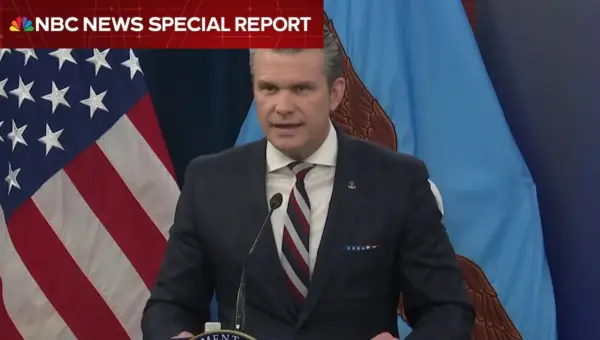
US Claims Decisive Victory in Operation Epic Fury Against Iran
Defense Secretary Pete Hegseth announced a decisive victory in "Operation Epic Fury" against Iran, claiming overwhelming success in dominating airspace and crippling naval capabilities within days. The operation was reportedly triggered by intelligence following a call between President Trump and Israeli Prime Minister Netanyahu.