US Launches Decisive Strikes Against Iran Amid Regional Escalation
U.S. forces launched significant strikes against Iran in an operation dubbed 'Epic Fury,' targeting missile sites and naval assets. The conflict has escalated regionally, with allied nations also engaged, while domestic gas prices show an initial increase.


US Strikes Iran in ‘Decisive Mission’ Amid Escalating Middle East Conflict
In a dramatic escalation of regional tensions, U.S. forces launched a series of punishing strikes against Iran, targeting ballistic missile sites and naval assets in what the administration is calling a “clear, devastating, decisive mission.” The operation, code-named “Epic Fury,” began Friday afternoon and has already resulted in significant military actions, with President Trump signaling that this is just the beginning of the engagement.
Operation ‘Epic Fury’ Unfolds with Heavy U.S. Military Action
The U.S. military unleashed a broad assault, striking over 1200 targets across Iran, including operations within the capital city of Tehran. Newly released video footage depicts the intensity of the strikes, with U.S. F-15 fighter jets and other advanced aircraft engaged in the operation. The Pentagon announced that the strikes aim to neutralize Iran’s nuclear capabilities and dismantle its ballistic missile program.
President Trump authorized the operation with a clear directive: “Operation Epic Fury is approved. No aborts. Good luck.” The initial phase involved Tomahawk missiles fired from U.S. Navy ships, followed by aircraft launching standoff weapons to neutralize Iranian air defenses. This paved the way for B-1 and B-2 bombers to penetrate Iranian airspace and strike hardened underground missile sites.
‘Friendly Fire’ Incident Involves U.S. Jets in Kuwait
Amidst the coordinated strikes, a concerning incident occurred in Kuwait, where three U.S. fighter jets were reportedly shot down by Kuwaiti missile defense systems. The Pentagon confirmed the event, attributing it to friendly fire. Fortunately, all pilots ejected safely and were recovered. This incident highlights the complexities and potential risks of large-scale military operations in a crowded airspace, even among allied nations.
Regional Spillover: Israel, Lebanon, and Beyond
The conflict has rapidly expanded beyond Iran’s borders. Israel and Lebanon have engaged in retaliatory attacks, with Israel targeting Hezbollah and Iranian-backed militants. This has triggered a significant exodus of civilians from affected areas in Lebanon, as families flee intensified bombardments. The U.S. military reported that at least six U.S. service members have been killed and over a dozen seriously wounded in the broader regional conflict.
Iranian forces have also been active, launching attacks across the region. Reports indicate Iranian fighter jets attacked Qatar but were shot down by Qatari military defenses. Drones struck residential buildings in Bahrain and damaged Kuwait’s international airport. Saudi Arabia’s oil fields also sustained damage from Iranian drone strikes, underscoring the widespread impact of the escalating hostilities.
Intelligence and Objectives: Targeting Leadership and Capabilities
U.S. and Israeli strikes were reportedly timed to coincide with a meeting of senior Iranian officials, including Supreme Leader Ayatollah Khamenei, based on intelligence assessments. The U.S. claims that 49 leaders from the Iranian regime have been killed. President Trump outlined the objectives of the U.S. mission, stating:
“We’re destroying Iran’s missile capabilities. And you see that happening on an hourly basis. Second, we’re annihilating their navy. We’ve knocked out already ten ships. They’re at the bottom of the sea. Third, we’re ensuring that the world’s number one sponsor of terror can never obtain a nuclear weapon. And finally, we’re ensuring that the Iranian regime cannot continue to arm, fund and direct terrorist armies out of their borders.”
However, a senior negotiator involved in past talks with Iran told NBC News that progress was being made and negotiations were scheduled to resume, casting doubt on the administration’s narrative that Iran walked away from talks.
Domestic Impact: Rising Gas Prices and Political Ramifications
The conflict is already having an impact on the U.S. economy, with gas prices seeing an uptick. Iran’s threats against vessels in the Strait of Hormuz, a critical chokepoint for global oil supply, have heightened concerns about further price increases. Approximately 20% of the world’s oil passes through this vital waterway. An average gas price of $3.01 per gallon in the U.S. has already risen nearly 10 cents in the past week, with analysts warning that a sustained conflict could lead to significant price hikes.
Politically, the strikes come at a sensitive time, with midterm elections on the horizon. A recent Reuters/Ipsos poll indicated that 43% of Americans disapprove of the strikes, with only 27% approving. While the administration defends the operation as necessary for national security, the economic fallout and potential for a prolonged engagement present challenges for the President’s domestic standing.
Looking Ahead: Intensification and Uncertainty
U.S. officials, including Secretary of State Rubio, have suggested that the “hardest hits are yet to come” and that the operation is poised to intensify. The Pentagon is sending additional troops and fighter jets to the region. While the U.S. has emphasized that regime change is not the explicit goal, the administration’s rhetoric suggests a desire to significantly weaken Iran’s military and political influence. The coming days and weeks will be critical in determining the trajectory of this conflict, its regional implications, and its impact on global stability and economies.
Source: Top Story with Tom Llamas – March 2 | NBC News NOW (YouTube)

Related Articles
Lebanon Becomes New Iran War Front: Hezbollah, Israel Trade Deadly Strikes
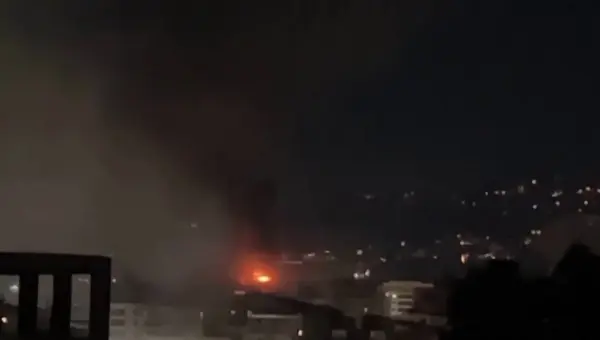
Lebanon has become a new front in the Iran-Israel war following overnight Israeli strikes on Beirut and Hezbollah's retaliatory attacks. Dozens have been killed and thousands displaced as the conflict escalates, raising fears of a wider regional war.

Ex-CIA Director Slams Trump’s Iran Conflict as ‘Senseless Loss of Life’
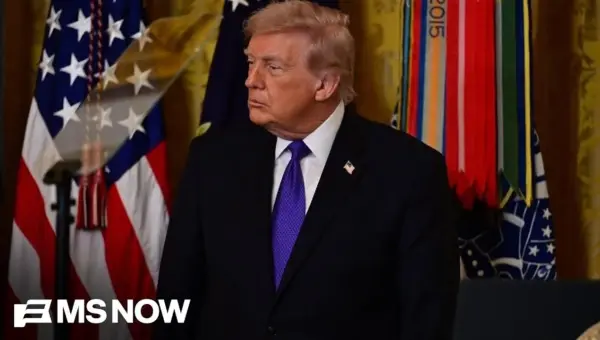
Former CIA Director John Brennan has strongly condemned the Trump administration's military actions against Iran, calling the conflict a "tragic, senseless, and needless loss of life." He warns of a repeat of the Iraq War's chaos and criticizes the administration's justifications and perceived Israeli influence.

US, Israel Escalate War with Iran; Tehran Retaliates Across Region
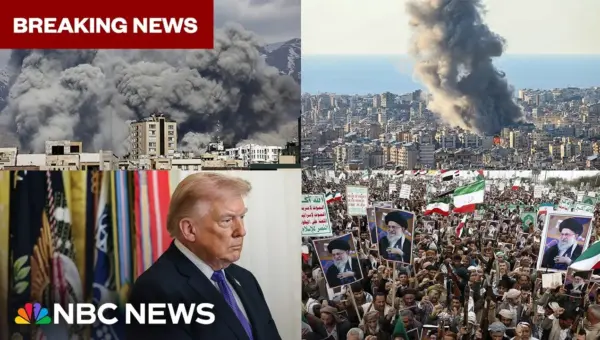
The U.S. and Israel have launched a major offensive, 'Operation Epic Fury,' targeting Iran's military and leadership. Tehran has retaliated with strikes across the Middle East, escalating regional tensions and impacting global oil markets.