US Launches Bold “Total Extermination” War on Cartels
The U.S. military has launched "Operation Total Extermination," a new aggressive campaign against drug cartels in South and Central America. This includes direct lethal strikes on vessels and land operations, signaling a significant escalation in the fight against these criminal organizations.

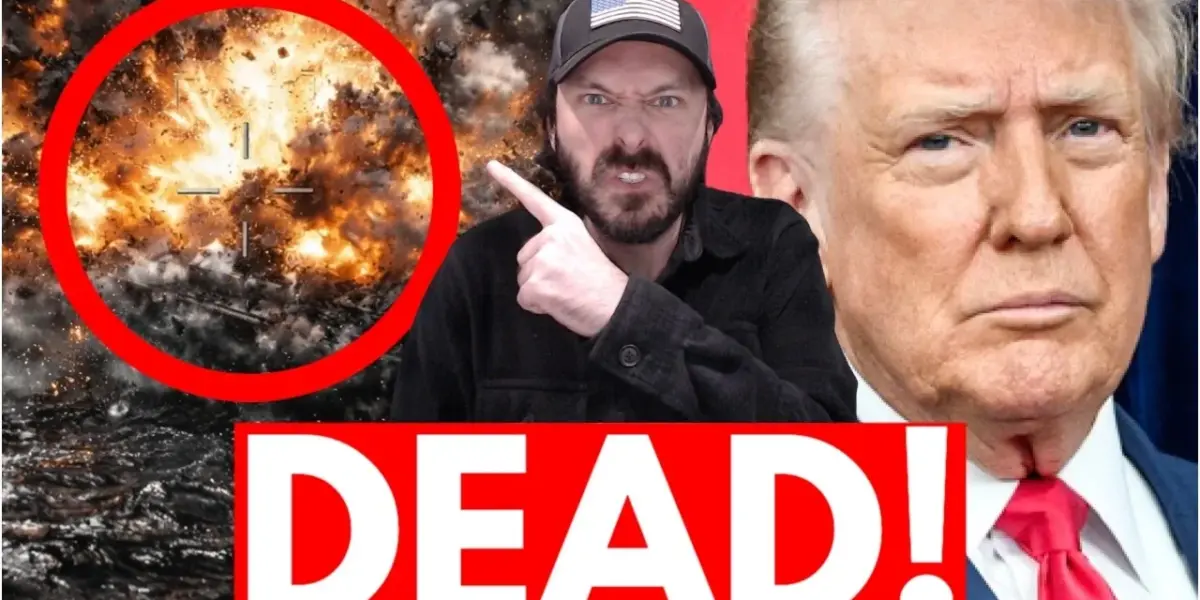
US Launches Bold “Total Extermination” War on Cartels
The United States military has launched a new, aggressive campaign against drug cartels in South and Central America. This operation, codenamed “Operation Total Extermination,” signals a significant escalation in the fight against transnational criminal organizations. Reports indicate this could mark the start of a new war in our hemisphere.
A Lethal Strike in the Caribbean
On March 25th, a U.S. military unit called Joint Task Force Southern Spear carried out a direct, deadly strike. Following orders from Southcom commander General Francis Donovan, the unit attacked a vessel. This boat was known to be used by terrorist organizations for drug trafficking. U.S. intelligence confirmed the vessel was moving along common drug routes in the Caribbean. The operation resulted in the deaths of four suspected drug traffickers. Importantly, no U.S. military personnel were harmed during the mission. The vessel, heavily laden with suspected drugs, was completely destroyed by the strike.
Expanding the Fight Beyond Boats
This strike is part of a broader strategy. It’s not just about intercepting boats anymore. U.S. military actions are now extending to land operations. A report from The Intercept highlighted this expansion, quoting a top Pentagon official. Joseph Huire, acting assistant secretary of war, revealed that U.S. wars in the Western Hemisphere are growing. He described the effort as “Operation Total Extermination.”
“Operation Total Extermination” Underway
This new operation aims to systematically disrupt and destroy cartel operations. Huire indicated that more strikes in Latin America are planned. The comments came shortly after former President Trump suggested potential U.S. involvement in Cuba. The Pentagon is now supporting joint military actions with partners like Ecuador. These actions are specifically targeting cartel operations along borders, such as the one between Colombia and Ecuador.
Early Successes on Land
The early stages of “Operation Total Extermination” have already seen significant action on the ground. Ecuador, with U.S. support, has conducted military operations against criminal organizations. One such operation on March 3rd involved U.S. and Ecuadorian forces performing a helicopter insertion. They successfully hit a target believed to be a drug haven. Another operation showed U.S. forces moving into a cartel stronghold in Ecuador. They used significant force to destroy the location, leaving visible smoke and destruction.
Seizing Drugs and Disrupting Networks
Beyond direct military strikes, the U.S. is also working with regional partners to seize illegal drugs. In one coordinated effort, the U.S. Coast Guard and the Ecuadorian Navy intercepted a large amount of drugs. They seized 592 kilograms of narcotics in international waters southwest of Ecuador. This shows a multi-faceted approach: hitting cartel leaders and infrastructure while also cutting off their supply lines. The goal is to prevent these drugs from reaching American communities.
Historical Context and Escalation
The fight against drug cartels is not new. For decades, various U.S. administrations have pursued policies to combat drug trafficking. These have included interdiction efforts, support for law enforcement in Latin American countries, and sometimes direct military action. However, “Operation Total Extermination” appears to represent a more direct and aggressive military approach. It marks a shift from solely supporting local forces to actively engaging in kinetic strikes and ground operations.
Why This Matters
This intensified military campaign has significant implications. It signals a willingness by the U.S. to use substantial military power to combat drug cartels. The potential for a wider conflict in South and Central America is a serious concern. Such operations can have unintended consequences, including civilian casualties and regional instability. However, proponents argue that decisive action is necessary to protect American citizens from the devastating impact of illegal drugs. The drugs trafficked by these cartels fuel addiction, violence, and crime in the United States.
Implications, Trends, and Future Outlook
The “Operation Total Extermination” suggests a trend towards more assertive U.S. military engagement in its own hemisphere. This comes at a time when the U.S. is also involved in conflicts elsewhere, such as in the Middle East. The success of this operation will likely depend on several factors. These include the cooperation of regional governments, the accuracy of intelligence, and the ability to avoid unnecessary collateral damage. The long-term outlook could see further militarization of drug interdiction efforts. It might also lead to increased diplomatic tensions if regional partners do not fully support U.S. actions. The effectiveness of this approach in truly dismantling cartels, rather than just disrupting them temporarily, remains to be seen.
Source: Trump OBLITERATES Cartel Target – New Narco War Starting (YouTube)

Related Articles

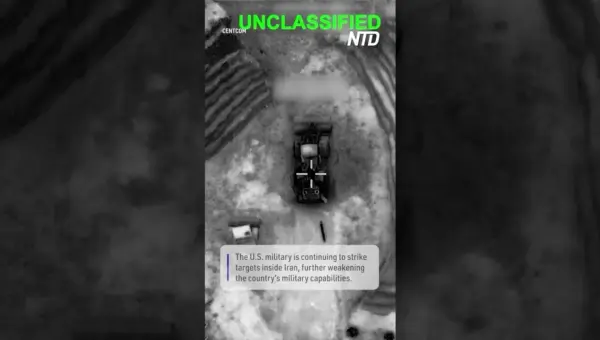
US Strikes Cripple Iran’s Military Might, CENTCOM Reports
U.S. Central Command reports ongoing strikes inside Iran are significantly weakening its military power. This direct action aims to reshape regional security dynamics, but carries risks of escalation. The long-term impact depends on Iran's response and ability to adapt.
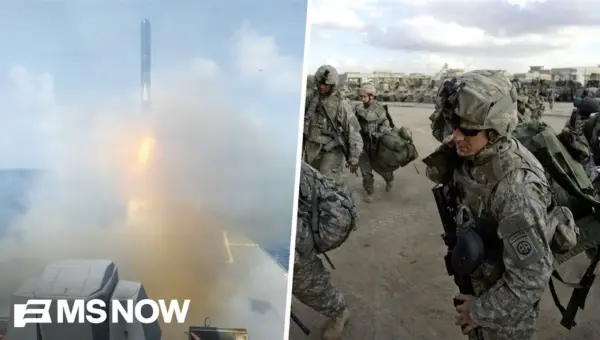
Iran Missile Strikes Injure US Troops, Raise War Concerns
Iranian missile strikes have injured U.S. service members, escalating tensions as the conflict nears one month. The attacks are raising concerns about the effectiveness of U.S. military strategy and the depletion of crucial missile stockpiles. Global oil prices have surged, impacting economies worldwide.
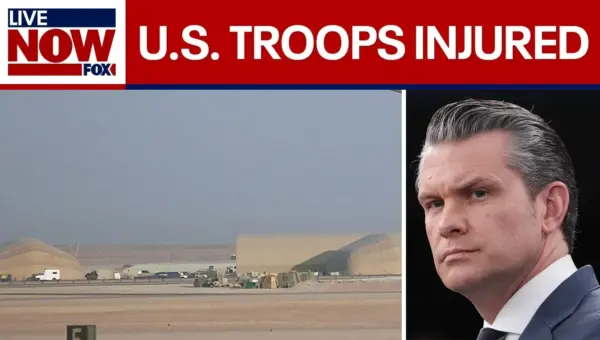
US Troops Wounded in Saudi Base Attack by Iran
An Iranian missile attack on Prince Sultan Air Base in Saudi Arabia wounded multiple U.S. service members and damaged aircraft. The incident highlights the ongoing risks in the Middle East and the limitations of air defense systems. Analysts discuss the strategic implications, economic pressures, and the isolation of Iran amidst the conflict.