US Launches Airstrikes on Iran Amidst Global Alert
The United States has initiated a significant aerial campaign against Iran, marking the largest U.S. naval and air superiority operation in 25 years. The move follows assurances from the President that war would be avoided, raising questions about strategy and transparency.

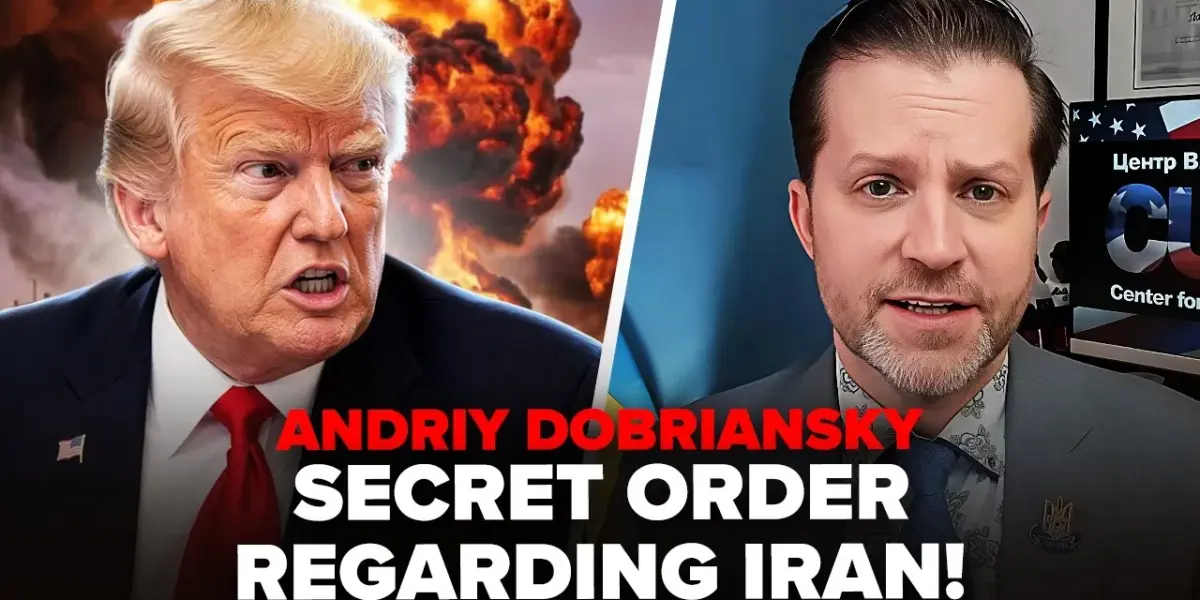
US Launches Airstrikes on Iran Amidst Global Alert
In a dramatic escalation of regional tensions, the United States has launched a significant aerial campaign against Iran, a move that has caught many by surprise and raised profound questions about the administration’s strategy and motivations. The operation, described as the largest naval and air superiority campaign since the Iraq War 25 years ago, began following an alleged go-ahead from the President on Friday, with operations commencing approximately 12 hours later in the United States, coinciding with the middle of the night. This sudden military action comes despite repeated assurances from the President and his top officials that the U.S. would not invade Iran or initiate a war with the country.
Unanswered Questions and Shifting Explanations
The timing and rationale behind the strikes have left many observers, particularly within the United States, puzzled. President’s administration has offered explanations, characterized by critics as mere talking points and highly produced videos, rather than a direct press conference to address the American people. This lack of transparency has fueled speculation, especially given the President’s campaign promises to avoid new Middle East conflicts. While many of the President’s supporters, and even some advocates for Iranian independence, have voiced support, the move appears to have alienated a significant portion of his base who did not want to see the U.S. embroiled in another war.
“The biggest question on people’s minds is why Iran, why now? The president is trying to put out explanations, but at this point, there’s not much other than talking points, highly produced videos. But in terms of having a press conference, he has yet to do that to explain to the American people why this is happening.”
Israel Initiated, U.S. Joined
Officially, the United States has stated that it joined a conflict initiated by Israel. The precise timeline remains somewhat unclear, but the U.S. involvement followed Israel’s commencement of attacks against Iran. This distinction is crucial, as it frames the U.S. action not as an independent act of aggression, but as an intervention in an existing conflict. However, the extent of U.S. planning and the long-term objectives remain subjects of intense debate.
Aerial Campaign: Unusual Tactics and Unclear Endgame
The current operation is characterized as purely an aerial campaign, with no ground troops deployed. This tactic, while efficient in its initial phase, raises concerns. Analysts draw parallels to a similar campaign in Libya, which, within a month, devolved into sectarian violence. Crucially, neither the President nor the Secretary of Defense, who recently addressed the press for only the second time since December 2nd, have clearly articulated a post-strike plan. This lack of a defined strategy for the aftermath is a significant point of concern, particularly for a country with tens of millions of people and the potential for a refugee crisis.
Concerns Over Refugee Crisis and International Response
With the aerial deployment expected to last weeks, the absence of a plan for accommodating potential refugees is alarming. While some nations, like China, have begun evacuating personnel, the fate of native Iranians who might flee their country remains uncertain. The lack of international resources being mobilized to support those displaced adds another layer of worry to the unfolding situation.
Presidential Conduct Amidst Military Action
Further fueling speculation is the President’s conduct surrounding the decision to launch the operation. Reports indicate that the President made the decision on Friday before flying to his Mar-a-Lago resort. There, he reportedly set up a makeshift war room while also attending a wedding, hosting a fundraiser, and speaking to club members. Critics have pointed to this as highly unusual, questioning a president’s focus during the initiation of a major military campaign.
“I don’t know of any war in history that’s begun by a president and then he starts having a fundraiser. He attends a wedding. He he starts talking about his plans for building ballrooms in DC and he’s not concentrating on the war. He’s not getting he’s not sitting in the situation room in the White House.”
Eliminating Leadership: An Unrealistic Goal?
The administration has publicly stated that it would take another two to three weeks to eliminate Iranian leadership. However, this assertion is met with skepticism, particularly without a ground operation. The White House’s rhetoric also calls on the people of Iran to replace their own leadership, a call made without providing weapons. This approach is contrasted with situations like Iraq or Syria, where leadership changes occurred in countries with different histories and civil societies.
The Challenge of Civil Society in Iran
Experts highlight that Iran, with 50 years of repressive rule preceded by the Shah’s regime, lacks the robust civil society seen in other nations that have undergone leadership transitions. Decades of repression and the systematic elimination of protest leaders and those advocating for democracy have left a significant void. This raises questions about who would realistically step into a leadership vacuum and whether the current administration’s strategy accounts for this reality.
Geopolitical Implications: Impact on China and Russia
Beyond the immediate conflict, the operation carries significant geopolitical implications, particularly concerning China and Russia. By potentially cutting off Iran’s oil supply to China, a move that could affect up to 20% of China’s oil imports, the U.S. may be aiming to curb China’s growing militarism and its potential ambitions towards Taiwan. Similarly, Russia’s lack of intervention in support of Iran is noted. The shrinking of Russia’s ‘shadow fleet’ for oil trading and its increased direct exports to China suggest a recalibration of global energy markets. The conflict’s impact on the Strait of Hormuz, through which a quarter of global oil supplies travel, has already led to a dramatic increase in oil prices, potentially providing Russia with revenue despite reduced market access.
Impact on Peace Negotiations
The military action also casts a shadow over ongoing peace negotiations, particularly concerning the conflict in Ukraine. The U.S. decision to launch an offensive, even as diplomatic talks were reportedly scheduled, is seen by many as undermining its credibility as a negotiating partner. This raises doubts about whether the U.S. is negotiating in good faith, potentially complicating efforts to build coalitions and secure peace. While Russia is expected to continue its attacks on Ukraine, the path to meaningful negotiations remains uncertain, with analysts suggesting that more pressure may be needed to bring Russia to the table.
Source: Iran has 24 HOURS! New WAVE OF STRIKES on Tehran. A leak from White House has put everyone on alert (YouTube)

Related Articles


Iran Cyber Threats: US Faces Limited Retaliation Risk
While Iran has issued threats of cyber retaliation against the U.S., analysts suggest their capabilities are limited, focusing instead on minor incidents. However, recent drone strikes on Amazon data centers in the Middle East highlight the broader risks to digital infrastructure.


Iran Crisis Spikes Oil Prices, Threatens Global Energy Supply
Millions of barrels of crude oil are being held back daily from global markets, pushing prices up and threatening an energy crisis. The prolonged disruption highlights the world's continued dependence on fossil fuels and the geopolitical risks involved.
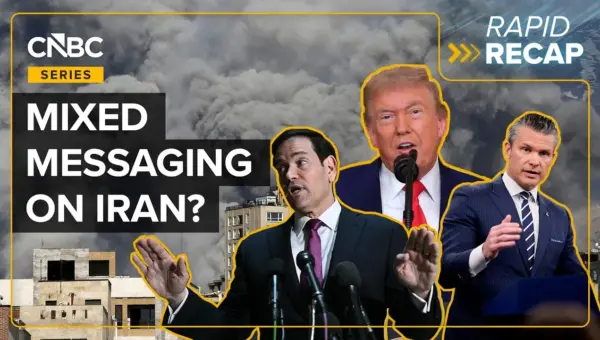
Iran Tensions Flare: US Vows “Annihilation” Amid Nuclear Fears
The Trump administration has adopted an aggressive tone towards Iran, vowing military action and highlighting concerns over the nation's nuclear ambitions. Officials cited "imminent threats" and Iran's development of missiles and drones as justifications for a preemptive stance.